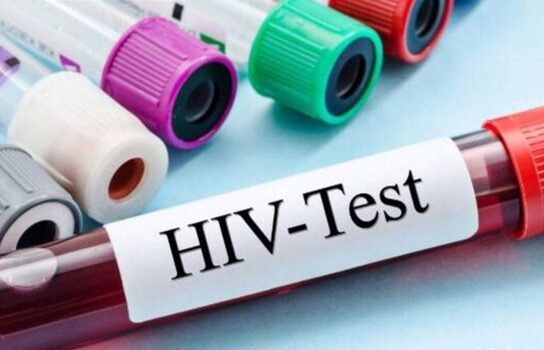
The High Court in Jinja has ordered The AIDS Support Organisation (TASO) to pay UGX 190 million (about $53,000) in damages to John Wataka, after finding that he was wrongly diagnosed as HIV-positive and kept on antiretroviral therapy (ARVs) for seven years despite being HIV-negative.
According to court records, Wataka was tested and told he was HIV-positive at TASO’s Jinja facility in July 2016, and he was immediately placed on ARVs, which he continued taking until 2023.
Doubts about his status only emerged in 2022, when Wataka applied for disability benefits through the National Social Security Fund (NSSF) under a programme for people living with HIV. Independent tests arranged by the fund returned a negative HIV result, prompting him to report the discrepancy to TASO, where fresh tests also confirmed he was not infected.
In her ruling, Justice Joanita Bushara found that TASO was negligent in diagnosing and retaining Wataka on treatment, highlighting the serious personal consequences he suffered as a result. The court noted that the prolonged misdiagnosis contributed to the collapse of his marriage, loss of employment, social stigma, and “deep emotional trauma.”
The damages awarded include UGX 140 million in general compensation for the physical, psychological, and social harm caused by unnecessary long-term treatment, and an additional UGX 50 million in aggravated damages for negligent diagnosis and dispensing of medication he did not need. The ruling also ordered interest on the award and costs of the case.
TASO had defended its actions in court by saying it followed approved HIV testing protocols and noting that test kits are not always 100 % accurate. Nonetheless, the High Court held that the organisation’s conduct fell short of the standard of care owed to Wataka.
The judgment marks a significant development in medical negligence cases in Uganda, particularly in the context of HIV treatment, where accurate diagnosis and adherence to protocols are critical to patients’ lives.