KAMPALA — Ugandan researchers are raising concerns over the growing cost of attending international conferences in the United States, following the introduction of a controversial visa bond requirement that critics say risks excluding African scientists from global platforms.
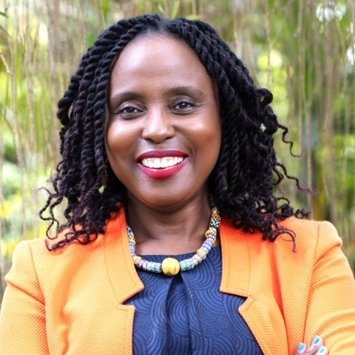
The issue came into focus after Catherine Kyobutungi, Executive Director at the African Population and Health Research Center, revealed that her institution recently paid $30,000 in visa bonds for just two Ugandan researchers to attend a conference in the U.S.
“Think about this for a moment,” Kyobutungi posted on X (formerly Twitter), highlighting the financial burden imposed by the new policy.
The U.S. visa bond program, introduced on January 21, 2026, applies to travelers from about 50 countries, including roughly 30 African nations. Under the arrangement, applicants may be required to deposit between $5,000 and $15,000 as a guarantee against overstaying their visas.
For many research institutions operating on limited budgets, the costs are significant. Kyobutungi noted that such fees can amount to between 15 and 20 percent of a major government research grant, effectively limiting opportunities for scientists to participate in international engagements.
Researchers warn that the policy could have far-reaching implications beyond immediate financial strain. Experts argue that reduced participation in global conferences risks sidelining African voices in key discussions on health, development, and policy.
“There are longer-term implications on how Africans keep getting excluded from positions of influence globally,” Kyobutungi said, adding that restrictions on mobility could weaken collaboration in global knowledge systems.
The development has sparked debate among Ugandan commentators and academics. Writer Kakwenza Rukirabashaija questioned why more conferences are not hosted within Africa, while others acknowledged the importance of maintaining access to international platforms where global decisions are shaped.
Despite calls to localize more academic gatherings, researchers caution against isolation. Kyobutungi emphasized that Africa remains part of a global knowledge ecosystem and cannot afford to disengage entirely from international networks that influence funding, research priorities, and policy outcomes.
Some experts have proposed hybrid conference models or rotating venues to make participation more inclusive, particularly for researchers from low- and middle-income countries.
The U.S. government has said the bond system is intended to curb visa overstays, but critics argue it disproportionately affects scholars from developing regions.
As the debate continues, researchers warn that unless addressed, the policy could deepen inequalities in global research and limit Africa’s contribution to international scientific discourse.