Uganda has officially broken ground on its first large-scale waste-to-energy power plant, a Shs1.4 trillion project aimed at generating electricity while addressing Kampala’s persistent garbage management challenges.
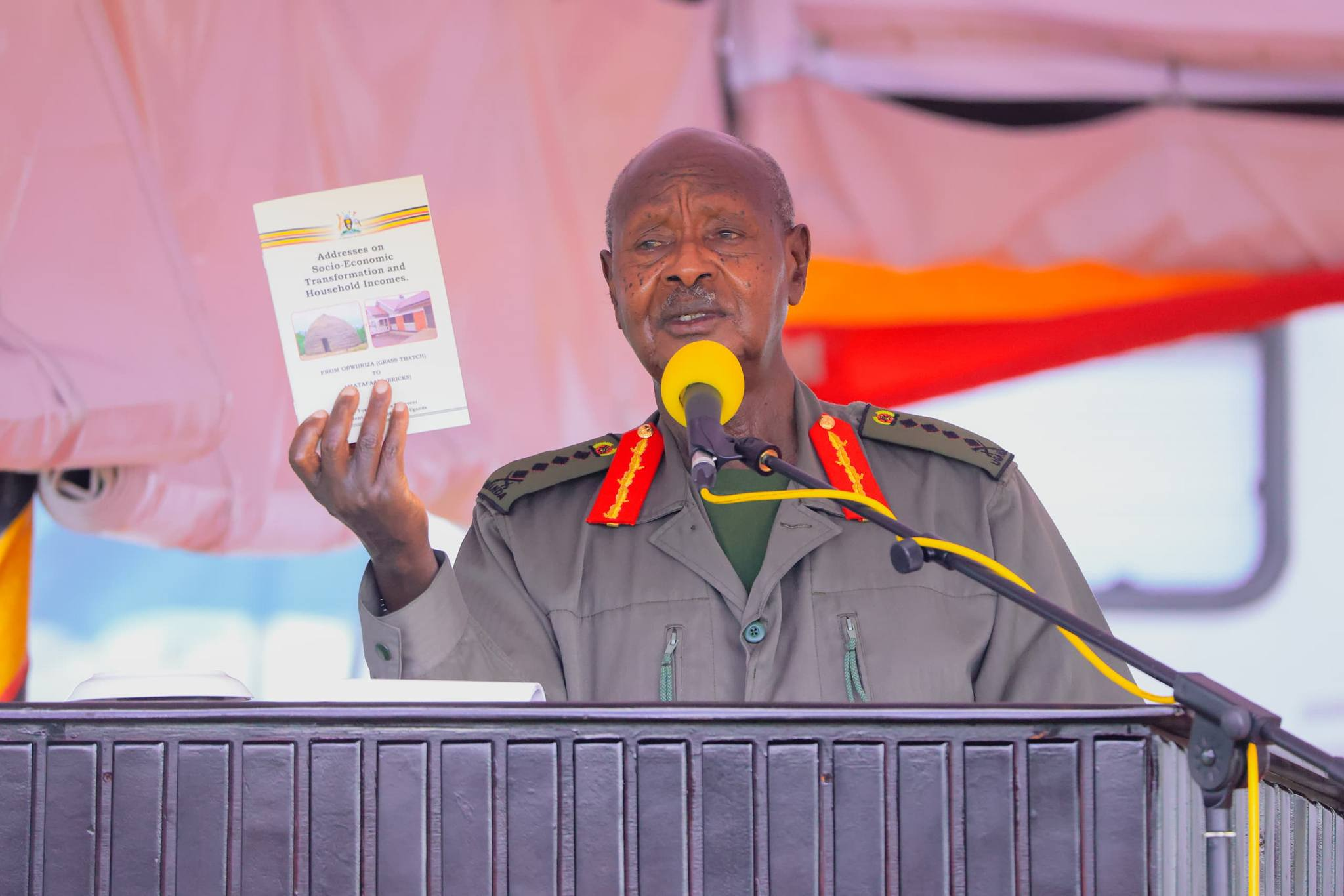
The groundbreaking ceremony was presided over by State Minister for Energy, Okaasai Opolot, alongside officials from the Ministry of Energy and Mineral Development at Namanve Industrial Park.
45MW from 1,500 Tonnes of Waste
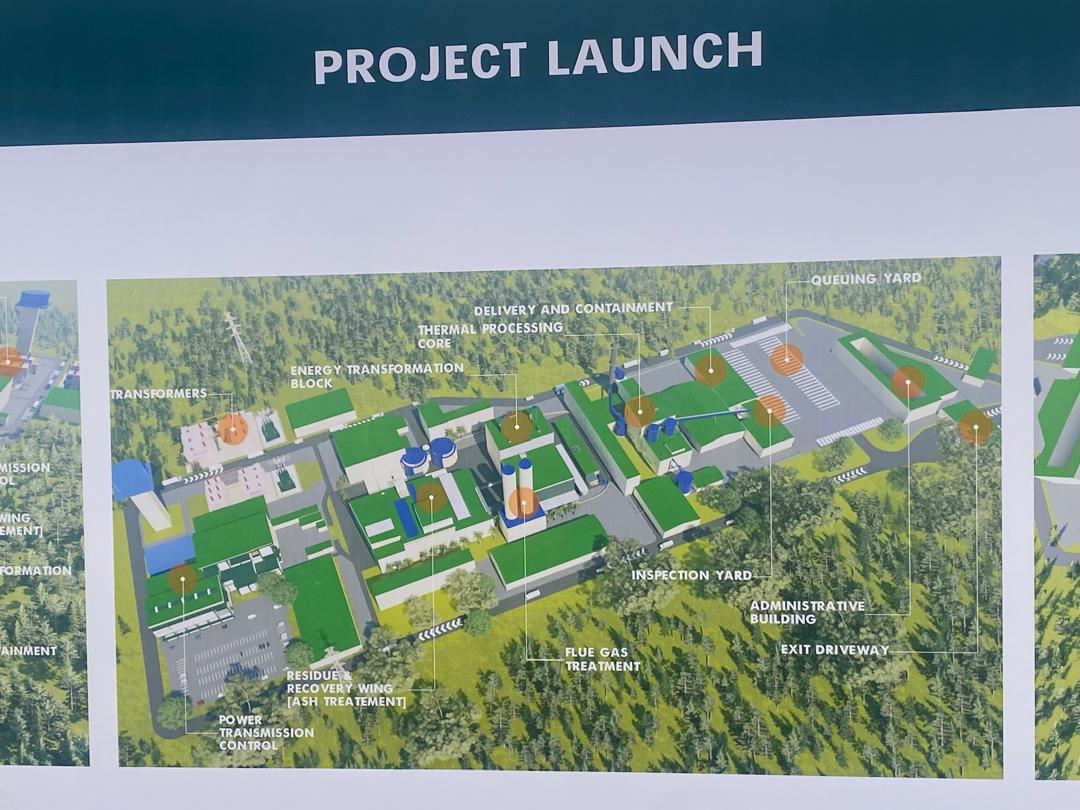
The NLS Waste-to-Energy Power Plant, to be constructed by a private developer, is expected to process approximately 1,500 metric tonnes of solid waste daily and generate an estimated 45 megawatts (MW) of electricity for supply to Uganda’s national grid.
Officials say the facility will convert municipal solid waste into power through controlled incineration technology, contributing to Uganda’s energy mix while reducing pressure on landfills.
“This project represents a dual solution — tackling waste management and adding reliable power to the grid,” Minister Okaasai said during the ceremony.
Complementing National Waste Strategy
The plant is located within Namanve Industrial Park, a strategic industrial hub designed to support manufacturing and large-scale infrastructure projects.
Government officials say the initiative complements broader efforts to address Kampala’s garbage crisis, which has strained existing disposal sites and triggered environmental and public health concerns.
Uganda’s energy sector has historically relied heavily on hydropower, with diversification into thermal and solar sources in recent years. Authorities argue that waste-to-energy technology will help stabilize supply, particularly during periods of drought that affect hydropower generation.
Public-Private Investment Model
The project is being implemented under a public-private partnership framework, reflecting the government’s strategy of leveraging private capital to accelerate infrastructure development.
Officials say once operational, the plant will not only reduce landfill waste volumes but also create jobs in waste collection, logistics, plant operations, and maintenance.
Energy analysts note that while waste-to-energy plants require significant upfront investment, they can provide long-term environmental and economic benefits if managed efficiently and supported by consistent waste supply systems.
Looking Ahead
Construction timelines and commissioning dates have not yet been publicly disclosed, but government representatives indicated that work would begin immediately following the groundbreaking.
The Shs1.4 trillion facility marks one of Uganda’s most ambitious integrated energy and environmental infrastructure projects to date, positioning waste management as part of the country’s broader industrialization and energy security agenda.