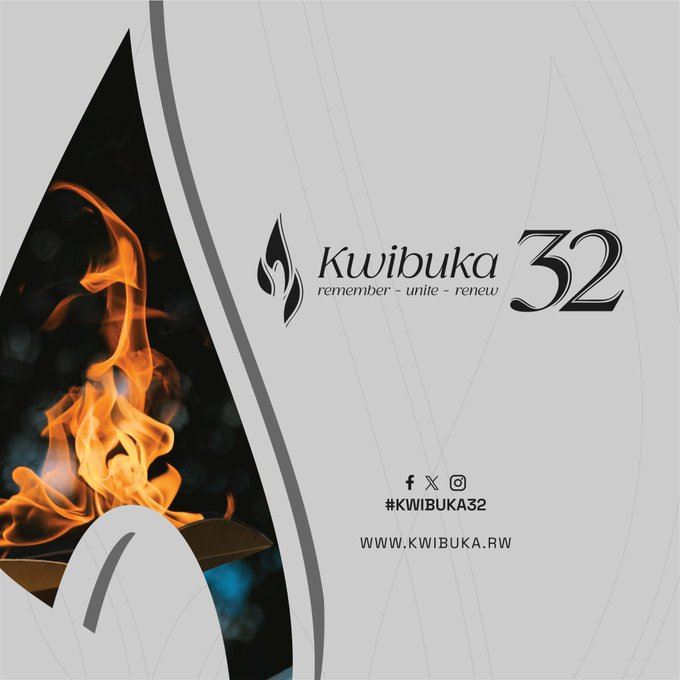
KIGALI — Rwanda on Monday began nationwide and global commemorations marking 32 years since the 1994 Genocide against the Tutsi, with solemn events held under the theme “Remember – Unite – Renew.”
The annual remembrance, known as Kwibuka, commenced in the capital, Kigali, at memorial sites where thousands of victims are laid to rest. Across the country and in diaspora communities worldwide, Rwandans and friends of Rwanda gathered to honour the lives lost and reflect on the enduring impact of the genocide.
The atrocities began on April 7, 1994, following the assassination of then-President Juvénal Habyarimana, when extremist militias launched a coordinated campaign of violence. Over a period of 100 days, an estimated 800,000 to more than one million people — primarily Tutsi, along with moderate Hutu and Twa — were killed before the genocide was brought to an end by the Rwandan Patriotic Front.
Speaking during the commemoration period, President Paul Kagame called for continued remembrance grounded in truth and respect, warning against denial and revisionism. He emphasized the importance of unity and resilience in preserving Rwanda’s progress since 1994.
Globally, leaders and organizations also marked the anniversary. António Guterres urged the international community to draw lessons from the past, stressing the need to confront hatred and prevent incitement to violence. The United Nations held tributes, including recognition of a permanent memorial at its headquarters honouring the victims.
Commemorative events extended beyond Rwanda’s borders, including a “Walk to Remember” organized at the African Union headquarters in Addis Ababa, symbolizing continental solidarity.
While the period is largely marked by unity and reflection, differing perspectives on the historical narrative persist. Some voices, including relatives of the late president, have continued to raise questions about aspects of the events surrounding the genocide, highlighting ongoing debates even as official commemorations focus on remembrance and reconciliation.
For survivors, the anniversary remains a deeply emotional time, bringing both painful memories and stories of resilience. Many continue to share testimonies of loss, survival, and rebuilding, reinforcing the message that remembrance is essential to ensuring such atrocities are never repeated.
The commemoration period will continue over the next 100 days, mirroring the duration of the genocide, with discussions, memorials, and educational activities aimed at promoting unity and preventing future violence.