Washington, D.C., April 8, 2026 — Astronauts aboard Artemis II have released breathtaking images of the Moon and the Milky Way galaxy following a successful journey around the lunar far side, marking a major milestone in space exploration.
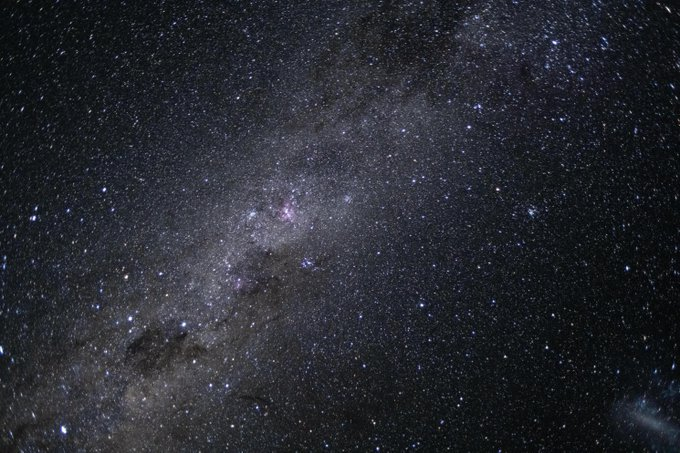
According to updates shared by NASA, the crew captured striking visuals of deep space, including a vivid image of the Milky Way taken on April 7 after completing a lunar flyby. The mission is the first crewed journey around the Moon in more than 50 years, reviving human deep-space exploration efforts.
NASA described the images as a powerful reminder of the mission’s significance, with astronauts documenting views rarely seen by humans.
“You can see the surface of the Moon…we just went sci-fi,” NASA said in a post, referring to footage captured on flight day seven. “From the lunar far side to a solar eclipse from the Moon, the views are everything.”
Earlier, the agency shared images of the Moon as the Orion spacecraft flew behind it on April 6, offering a rare glimpse of the lunar far side — a region not visible from Earth.

The spacecraft has since exited what scientists call the Moon’s gravitational sphere of influence, meaning Earth’s gravity has now become the dominant force guiding the crew back home.
“We anticipate that the Orion spacecraft has now departed the lunar sphere of influence,” NASA said, confirming that the astronauts are now on their return journey.
NASA Administrator Jared Isaacman praised the thousands of engineers, technicians, and support teams behind the mission.
“As Artemis II continues its journey, it’s a good moment to recognise the army of a team behind that it takes to undertake such a mission,” he said, thanking everyone from mission control to recovery crews preparing for splashdown.
The mission is a critical step in NASA’s broader Artemis programme, which aims to return humans to the Moon and eventually send crewed missions to Mars.
The four-member crew is expected to splash down on April 10, concluding a landmark mission that has already delivered historic imagery and renewed global interest in human space exploration.