

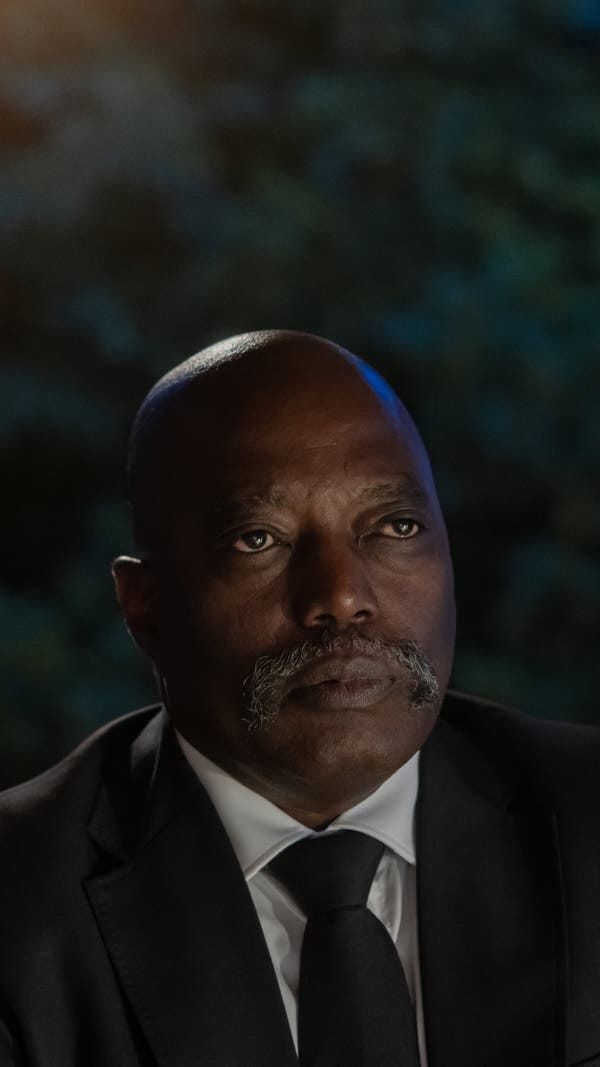
Kinshasa, April 2026 — The Democratic Republic of the Congo is facing renewed political shockwaves after former president Joseph Kabila was formally implicated in a treason case that has intensified long-standing tensions within the country’s leadership and security establishment.
Authorities allege that Kabila, who governed the country for nearly two decades, was linked to insurgent activity in eastern Congo. A military tribunal reportedly convicted him in absentia in 2025 and issued a death sentence, though he is believed to be outside the country and has not been detained.
Kabila has strongly rejected the accusations, describing them as politically motivated and aimed at weakening his remaining influence. His allies maintain that the case reflects a broader effort to dismantle networks associated with his former administration.
The developments underscore a widening rift between Kabila and current President Félix Tshisekedi, once uneasy partners following the disputed 2018 transition of power. Their relationship has since deteriorated into open political rivalry, reshaping alliances within government institutions and security structures.
Analysts say the case unfolds against the backdrop of continued instability in eastern Congo, where armed groups remain active amid long-running conflicts over territory and mineral resources. The region has persistently challenged state authority and fuelled allegations of external interference.
Kabila, who came to power in 2001 following the assassination of his father Laurent-Désiré Kabila, ruled for 18 years, a period marked by delayed reforms and contested elections. His departure in 2019 was widely viewed as the country’s first peaceful transfer of power in decades.
However, the transition did not resolve underlying political fractures, which have continued to deepen into the current confrontation.
Observers caution that prosecuting a former head of state on treason charges could carry significant consequences for national stability. While supporters of the move frame it as accountability, critics warn it risks further polarising an already fragile political environment.
As the case unfolds, the situation surrounding Joseph Kabila remains uncertain, with the proceedings increasingly seen as a defining moment in the Democratic Republic of the Congo’s evolving struggle over power, justice, and political legitimacy.