Kampala – In a rare show of parliamentary assertiveness, the Public Accounts Committee (PAC) has put the Uganda Police Force under intense scrutiny over the arrest, detention and dismissal of officers assigned to opposition leader Robert Kyagulanyi during the 2026 presidential campaigns.
What began as a routine review of the Auditor General’s 2024/25 report on election security spending quickly escalated into allegations of political targeting, unpaid allowances and mistreatment of security personnel.
Officers arrested, dismissed
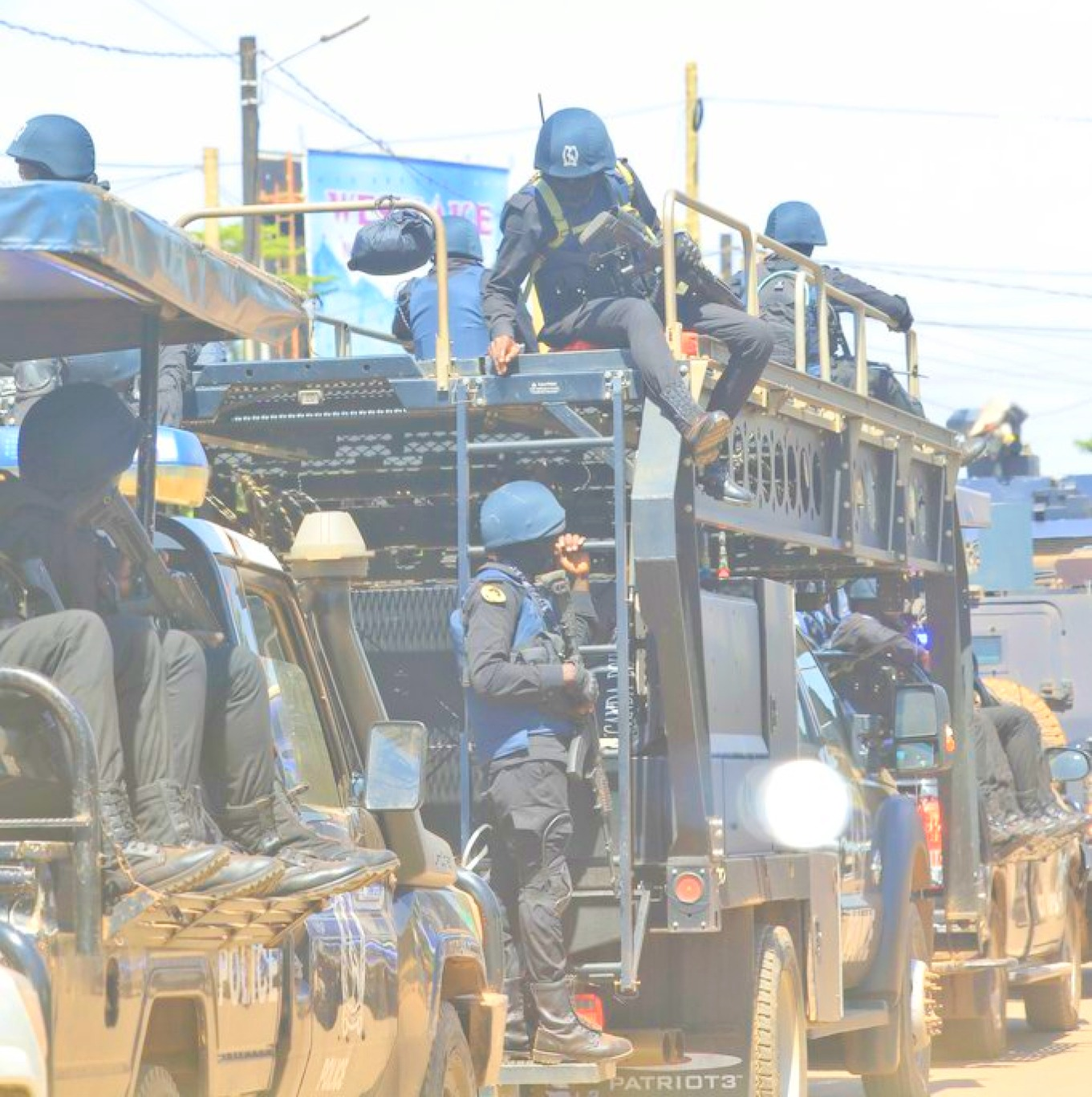
Five counter-terrorism officers attached to Kyagulanyi were arrested on March 7 and detained at Railway Police Station on charges of disobedience and abandoning duty.
By March 11, nine officers had appeared before the Police Court and were dismissed from the force “with disgrace” over alleged neglect of duty. They were further accused of helping the opposition leader evade a military operation at his home in Magere. Two of the officers were returned to custody for further interrogation.
MPs demand answers
During the PAC hearings, legislators questioned the circumstances surrounding the arrests and the failure to pay allowances to officers deployed for election security.
Kassanda North MP Patrick Nsamba challenged the police leadership:
“Why does he call this a case of indiscipline when people are simply asking for their pay?”
Kalungu West MP Joseph Sewungu defended the officers, highlighting the risks they faced during the campaigns.
“They also have their rights constitutionally. Don’t think it was easy—those policemen were running with us through tear gas and clashes across the country,” Sewungu said.
Leader of Opposition Joel Ssenyonyi said families of the detained officers were struggling to get information about their whereabouts.
“Their relatives are calling us asking for their whereabouts. Why would you treat your own people like that?” he asked.
PAC Vice Chairperson Gorreth Namugga demanded accountability from police leadership, pressing for clarity on the officers’ status.
“Where are these officers now?” she asked.
Police response questioned
Counter-Terrorism Director David Waswa told MPs that disciplinary matters are handled internally, while the Electoral Commission is responsible for deployment and facilitation of officers.
Deputy Inspector General of Police James Ochaya said he needed more time to establish the facts, admitting he had not been fully briefed.
Bobi Wine speaks out
In a statement issued on March 12, Kyagulanyi condemned the treatment of the officers, describing it as persecution.
“They were all dismissed from the Uganda Police Force with disgrace. Their crime? ‘Neglect of Duty’… The regime claims they assisted me in escaping from my own home. Crazy!”
He said the officers had already left duty by the time security forces raided his home and accused authorities of targeting them over his temporary disappearance.
“They’re being hounded, persecuted, and punished because the regime cannot live with the embarrassment of not being able to locate me,” he said.
Kyagulanyi added that two officers remain in custody and called for solidarity with them.
Gaps in accountability
The hearings also exposed gaps in how election security personnel are managed. While each presidential candidate is assigned 16 officers under Electoral Commission guidelines, MPs noted there is no clear legal framework governing payment of their allowances after deployment.
This has created what lawmakers described as an accountability vacuum between the police and the Electoral Commission.
Broader concerns
The controversy comes against the backdrop of widespread arrests during the election period, with police reporting thousands detained nationwide.
For lawmakers, the treatment of officers assigned to opposition figures raises deeper questions about professionalism, rights and accountability within the security forces.
PAC has now directed police to provide a comprehensive report on the arrests, dismissals and unpaid allowances, as scrutiny intensifies over how election security personnel are treated once the polls are over.