KAMWENGE — The Uganda Wildlife Authority (UWA) has successfully captured and relocated a stray elephant that had been terrorising communities in Kamwenge District, restoring calm after days of heightened fear and wildlife encounters.
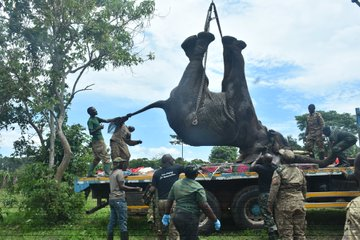
According to UWA, the operation concluded with the safe sedation of a bull elephant weighing approximately 3,496 kilogrammes and estimated to be about 20 years old. The animal was tracked over several days before being immobilised by a specialised wildlife team.

Officials said the elephant was fitted with a GPS collar for monitoring before being translocated and released in Kibale National Park, specifically in the Mainaro area of Duran Sub-county, as part of ongoing conservation and human–wildlife conflict mitigation efforts.
UWA noted that the relocation followed “dramatic encounters” between the animal and residents in Kamwenge, prompting a coordinated response aimed at protecting both human lives and wildlife. The authority described the operation as a “major win for community safety and wildlife conservation.”

However, earlier communication from UWA spokesperson Bashir Hangi indicated that the elephant had been translocated to Queen Elizabeth National Park, highlighting a brief discrepancy in initial reporting on the final release location. Both accounts confirmed, however, that the elephant was safely removed from community settlements and returned to a protected habitat.
UWA teams expressed appreciation to local residents for their cooperation and patience throughout the operation, noting that community support was critical to the successful tracking and capture of the animal.
The authority has increasingly deployed GPS tracking and rapid response teams in wildlife conflict hotspots as part of broader efforts to reduce incidents involving stray elephants and other large mammals straying from protected areas into neighbouring communities.
The latest operation, officials say, reinforces ongoing conservation strategies aimed at balancing wildlife protection with the safety and livelihoods of people living near national parks.