Washington — A senior United States senator has called for a reassessment of bilateral ties between the United States and Uganda, signalling growing concern in Washington over recent political developments in Kampala.
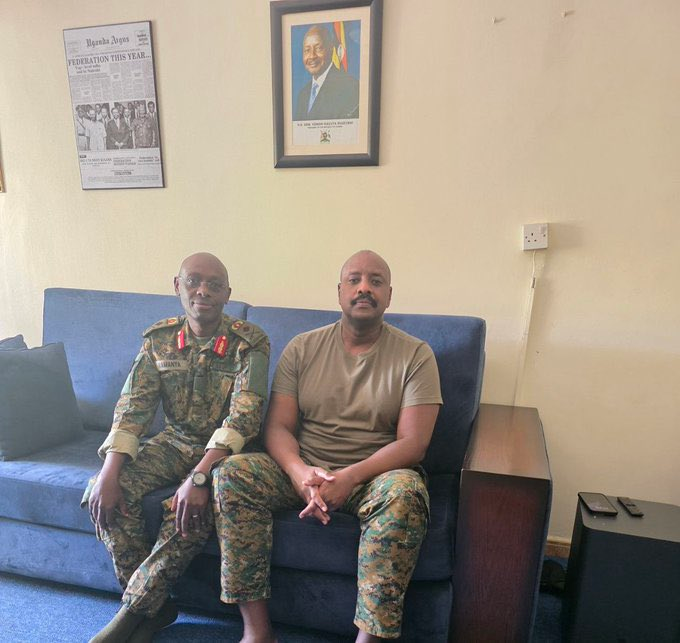
Senator Jim Risch, Republican chairman of the U.S. Senate Foreign Relations Committee, has publicly warned that comments by Uganda’s military leadership may have crossed a “red line” and could undermine longstanding security cooperation between the two countries. Risch’s remarks follow controversial social media posts by Uganda’s Chief of Defence Forces, Muhoozi Kainerugaba, in which he accused U.S. Embassy officials of interfering in Uganda’s internal affairs — claims that were later deleted.
“Commander Kainerugaba has crossed a red line and now the U.S. must reevaluate its security partnership, which includes sanctions and military cooperation with Uganda,” Risch wrote on his social media account, adding that deleting the posts and issuing apologies “is not enough.”
Risch’s comments have raised the prospect of a broader review of U.S. foreign assistance, military cooperation, and diplomatic engagement with Kampala — especially in light of the disputed 2026 general elections in Uganda, which Risch and others in the U.S. Senate have criticised as lacking credibility and transparency.
He has also urged the U.S. administration to consider sanctions targeting Ugandan officials, including military leaders, over rights abuses and political repression.
The diplomatic exchange has drawn sharp reactions on both sides. Uganda’s military and government officials dismissed what they termed foreign interference in the country’s internal affairs, with some officials responding that such “threats and intimidation” — characterised by Kampala as “outdated colonial tactics” — would not be tolerated.
Political analysts say the senator’s call for reassessment reflects broader concerns in Washington about governance, human rights and democratic norms in Uganda, and could have implications for the strategic partnership between the two nations — particularly in areas of security cooperation and regional stability.
The situation remains fluid as both governments navigate the diplomatic tensions while managing domestic political dynamics and foreign policy priorities.