Kampala — Ugandan musicians and creatives are rallying to protect Clause 9 of the Copyright and Neighbouring Rights (Amendment) Bill, 2025, which passed its second reading in Parliament on March 12.
The clause mandates that radio stations, TV stations, venues, and digital platforms pay royalties to performers and producers when their music is played commercially, including streams, ringtones, and public performances — aligning Uganda with international copyright standards.
Popular singer Sheebah Karungi criticised the practice where artists spend millions producing music and shooting videos, only to pay broadcasters and bloggers to promote their own work.
She emphasised that Clause 9 simply ensures that artists are paid when their music is aired, calling it the “heart” of fair compensation. She warned that removing the clause would defeat the purpose of the amendment and continue the financial strain on the creative industry.
“The Copyright Amendment simply guarantees that when our music is played, artists are paid. If Clause 9 is removed, the creative industry will continue bleeding,” Sheebah wrote, urging musicians to speak up and defend their rights while appealing to the government for fairness.
Emerging musicians concerned
Youth advocate Martin Luther Nyanzi raised concerns that the bill could unintentionally make it harder for new artists to break into the music industry.
In a message shared on his X (Twitter) account, Nyanzi said the current discussion seems focused primarily on established artists.
“The request to amend the Bill seems to focus on artists who have already made it in the industry,” he said. “But what about the upcoming ones? How will they get to be known if playing an artist’s music requires broadcasters to pay them? Airplay has always been one of the main ways new musicians gain recognition.”
Nyanzi emphasised that while protecting the rights of creatives is vital, policymakers should also consider how emerging talent can grow if access to key platforms is restricted.
Parliamentary Debate
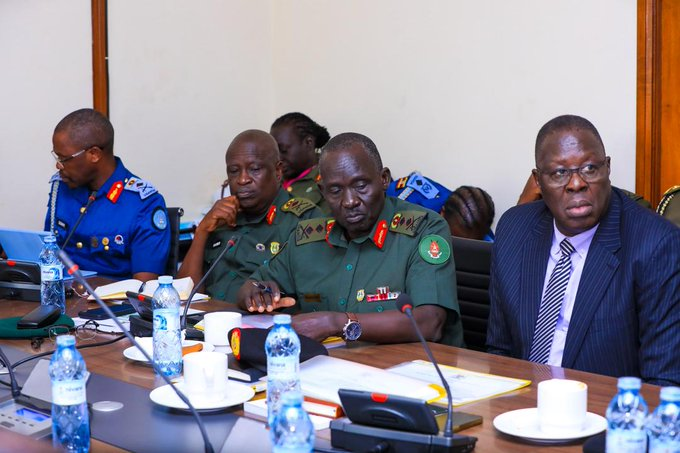
During the second reading, Speaker Anita Among and other MPs questioned whether media houses should pay royalties since stations already promote music by airing it.
Some MPs argued that artists themselves often pay DJs and media outlets for airplay, raising questions about whether requiring royalties is fair. Concerns were also raised about artists who might want their music promoted for free, and the potential need for cost-benefit analysis to determine the impact on both creatives and media owners.
The debate was eventually paused due to a lack of quorum and is scheduled to resume on Tuesday, but public pressure on lawmakers is mounting.
Social media users and industry stakeholders have voiced strong support for Clause 9, highlighting that copyright protection is a global standard and crucial for the sustainability of Uganda’s creative sector.
Industry Perspective
Advocates say Clause 9 is essential to ensure musicians and producers earn a sustainable income from their intellectual property, rather than relying on occasional government support or promotions at their own cost.
Removing the provision could leave artists vulnerable, especially in a sector where production costs are high and fair compensation is often inconsistent.
The Copyright and Neighbouring Rights (Amendment) Bill, 2025, aims to modernise Uganda’s copyright framework, improve enforcement, and align it with global practices — but the ongoing debate shows tension between media owners and creators over how royalties should be administered.
Ugandan artists continue to mobilise support online and in public forums, stressing that protecting Clause 9 is not just a legal issue but a step toward financial empowerment and recognition for the country’s creative talents.