KAMPALA, Uganda — Doctors and medical professionals in Uganda have raised concerns over a proposed reform by the Ministry of Health (Uganda) to extend the Bachelor of Medicine and Bachelor of Surgery (MBChB) training programme from five to six years by introducing a mandatory unpaid internship starting in July 2026.
Health officials say the proposed change aims to improve the quality of medical training by allowing students to spend an additional year in supervised clinical rotations before qualifying as fully licensed doctors.
However, members of the Uganda Medical Association (UMA) and other practitioners have strongly opposed the proposal, arguing that removing financial support for interns would place an unsustainable burden on medical graduates and their families.
Many doctors say interns already play a critical role in keeping the country’s health facilities running, particularly in public hospitals facing staff shortages.
Dr Jacob Otile, a Ugandan physician who shared his internship experience on social media, described the demanding nature of the training.
“At Kiruddu National Referral Hospital, an intern is assigned to a ward and responsible for many patients at a time,” he wrote. “You have to see every patient, do a full physical examination, take blood samples to the lab, help move patients for scans, and write notes in their files.”
He said interns often work extremely long hours in difficult conditions.
“This means you have to be on the ward as early as 6am and most times leave by 7 or 8pm. Breakfast and lunch were optional,” he said.
Doctors argue that the proposed unpaid internship would worsen financial pressure on graduates who already struggle with delayed deployment after completing their training.
Uganda currently provides a monthly allowance to medical interns, which was increased in recent years following protests by junior doctors.
Critics warn that removing the stipend could discourage young people from pursuing medicine and worsen the country’s shortage of health workers.
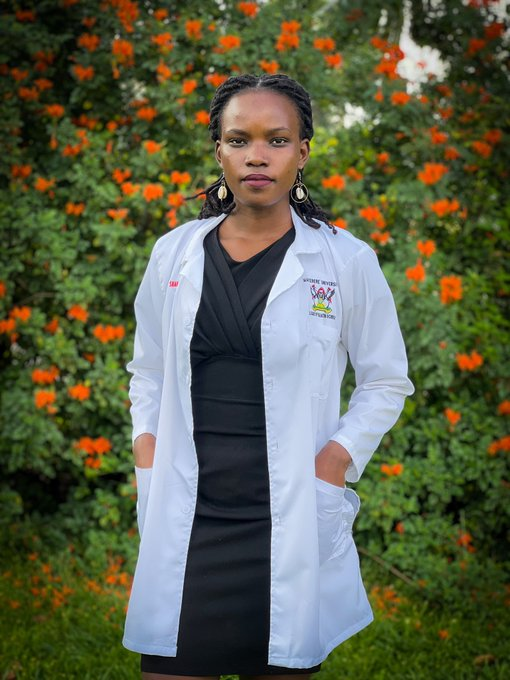
Dr Shamim Nambassa said interns form a critical part of the healthcare system.
“Medical interns support over 60 percent of our healthcare system. They are the backbone of healthcare in Uganda,” she said.
She added that expecting interns to work without facilitation could harm both healthcare workers and patients.
“Expecting them to keep hospitals running without proper facilitation is suicidal,” Nambassa said.
Some doctors have also compared Uganda’s support for interns with other countries in the region, noting that medical trainees in Kenya and South Africa receive higher pay and better working conditions.
Health policy analysts say the debate highlights broader challenges facing Uganda’s healthcare sector, including doctor shortages, funding constraints and growing demand for medical services.
The Ministry of Health (Uganda) has yet to issue a detailed response to the criticism, but discussions between government officials, medical schools and professional associations are expected as the proposed reforms move forward.