By James Paul
KAMPALA — Civil society organisations have raised concerns over a proposed NGO Funding Bill, warning that it could tighten state oversight on foreign funding and potentially shrink civic space if not carefully designed.
Speaking to the media, Sarah Bireete, Executive Director of the Centre for Constitutional Governance, cautioned that the bill could have unintended consequences.
“If not handled carefully, this bill could limit the operating space for NGOs and CBOs,” she said.
Activist Sarah Mukasa echoed similar concerns, questioning both the timing and intent of the proposal.
“The timing and purpose of the bill suggest it could be used more for control than support,” she noted.
Amid the growing debate, youth advocate Nyanzi Martin Luther has clarified that the proposal is a personal initiative aimed at supporting local NGOs and community-based organisations struggling to access foreign funding.
“I tried reaching some of you on emails but there were no replies. What did you expect?” Nyanzi said in a phone interview.
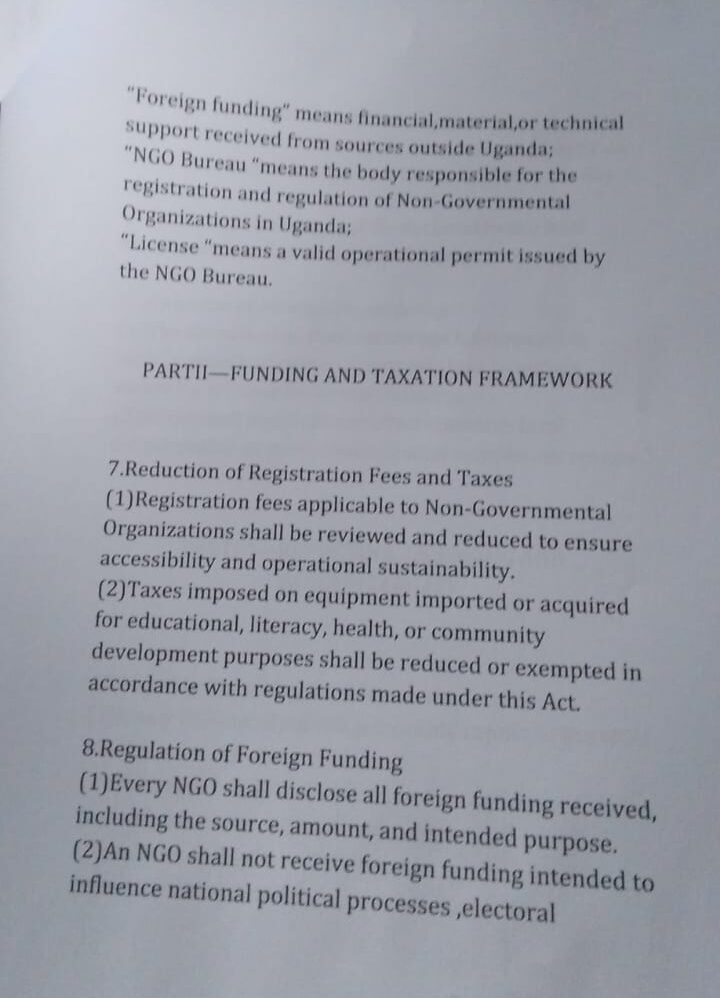
He explained that the proposed law is designed to reduce overreliance on foreign donors, promote local sustainability, and provide tax and fee relief for essential NGO operations, while strengthening accountability and transparency within the sector.
Nyanzi also clarified that oversight under the proposed framework would fall under the Ministry of Gender, Labour and Social Development rather than the Ministry of Internal Affairs—a point confirmed by Dr. Bireete.
He emphasized that the bill does not seek to prohibit foreign funding and includes provisions to protect lawful NGO activities.
“I beg the members of civil society organisations, including Dr. Bireete, to consider this bill because it helps the nation and NGOs,” he said.
Although the bill has not yet been formally tabled before Parliament, stakeholders say the ongoing debate highlights the need for broader consultation to ensure any reforms strike a balance between accountability and independence.
Civil society organisations have called for inclusive engagement to safeguard their role in delivering critical services in education, health, literacy, and community development.
“Civil society must be actively involved so that any regulatory reforms strengthen, rather than weaken, the sector,” Dr. Bireete added.
The proposed NGO Funding Bill remains under discussion, with proponents maintaining that, with proper dialogue and collaboration, it could enhance the sustainability of local organisations while preserving their operational autonomy.