Members of Parliament have sharply questioned the Uganda Revenue Authority’s (URA) proposed expenditure on entertainment, welfare, and rent, as scrutiny of the agency’s Shs877 billion budget request for the 2026/27 financial year intensifies.
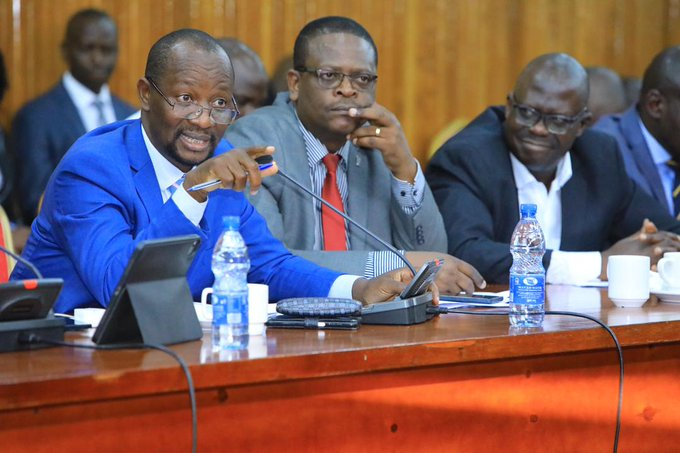
During a heated session of Parliament’s budget committee, legislators raised concern over allocations including Shs23 billion earmarked for entertainment and staff welfare, Shs12 billion for rent, and Shs18 billion for staff training. The figures sparked debate over spending priorities at a time when the public is increasingly demanding fiscal discipline and accountability.
Kira Municipality MP Ibrahim Ssemujju Nganda led the charge, questioning why URA continues to incur substantial rental costs despite the government’s earlier investment in the URA Tower in Nakawa. The facility, completed in 2019 at a cost of nearly Shs180 billion, was intended to eliminate recurring rent expenses estimated at Shs7.4 billion annually.
“I had thought when we spent nearly Shs180 billion on construction of that tower in Nakawa, that the issue of rent was resolved,” Ssemujju said. “But I saw you recently, as soon as Sudhir completed the building, you were the first to occupy it.”
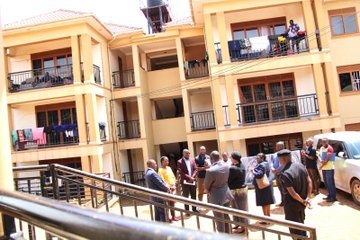
He accused the tax body of effectively channeling public funds into private real estate, referencing its reported occupancy of the Pearl Tower owned by businessman Sudhir Ruparelia.
“Are you just a conduit, URA, to pay Sudhir money?” Ssemujju asked, suggesting that the funds allocated for rent could instead be invested in constructing additional government office space. “If you gave me this money, I would build for you offices in the next five years—you don’t need to rent.”
URA officials defended the expenditure, arguing that the agency requires additional office space to accommodate its workforce of 4,942 staff and to maintain accessibility for taxpayers. They maintained that the new office arrangements are strategic and necessary for operational efficiency.
The debate underscores growing tension between government agencies and lawmakers over public spending priorities, particularly in light of economic pressures facing ordinary Ugandans. The budget committee’s review of URA’s proposal is ongoing, with further deliberations expected in the coming days.