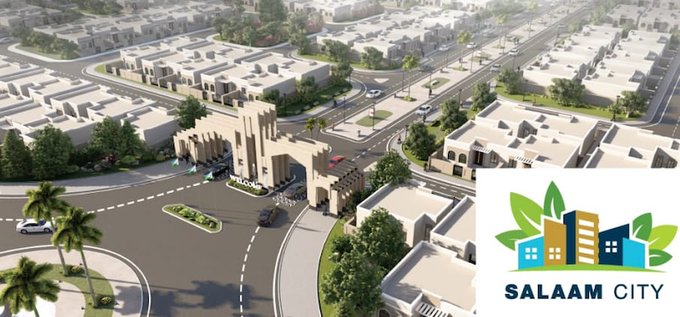
Djibouti’s ambitious new urban project, Salaam City, is drawing attention across East Africa, with Ugandan policymakers and urban planners closely watching its potential as a model for addressing rapid urbanisation.
Launched this week by President Ismail Omar Guelleh, Salaam City is set to become the largest residential development in the country’s history, with more than 7,000 housing units planned.
The multi-million-dollar project is designed as a fully self-contained community—an emerging concept in modern urban planning. Developers say the city will integrate residential housing with essential services including schools, healthcare facilities, a mosque, and commercial centres within a single, coordinated layout.
Officials describe the development as a “city within a city,” aimed at accommodating a growing population while maintaining order, accessibility, and quality of life.
A model for Africa’s growing cities
The Salaam City project is part of Djibouti’s broader strategy to respond to rapid urban growth and rising housing demand. Beyond housing, the initiative is expected to generate employment, with up to 2,000 workers engaged during peak construction.
It also incorporates sustainability features such as energy-efficient designs and environmentally friendly materials, reflecting a wider shift toward green urban development across the continent.
Uganda takes note
In Uganda, where cities like Kampala are facing mounting pressure from population growth and housing shortages, Salaam City is being viewed as a potential blueprint for future developments.
Analysts say the project highlights the importance of integrated planning—moving beyond piecemeal housing projects to fully serviced urban ecosystems.
The involvement of Salaam Group, which already has a footprint in Uganda through financial services, has further heightened local interest in the project and its possible replication.
Balancing opportunity and urgency
Experts note that while large-scale planned cities could help Uganda tackle its housing deficit and infrastructure gaps, such projects require significant investment, policy coordination, and long-term vision.
As urban populations continue to rise, Salaam City offers both inspiration and a reminder of the urgency facing governments across Africa: the need to build not just houses, but sustainable, inclusive, and well-planned cities for the future.