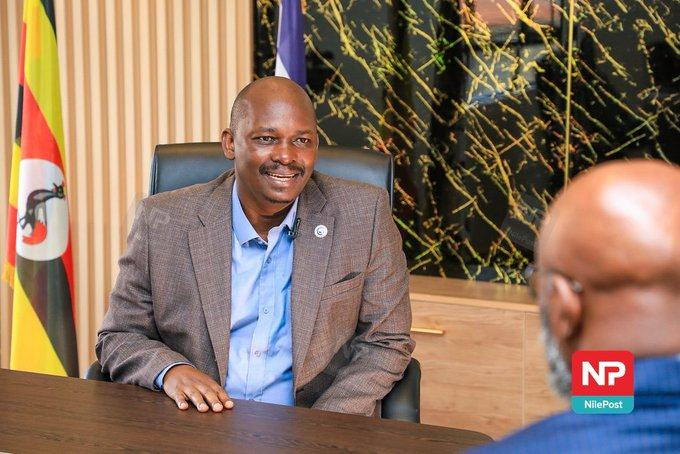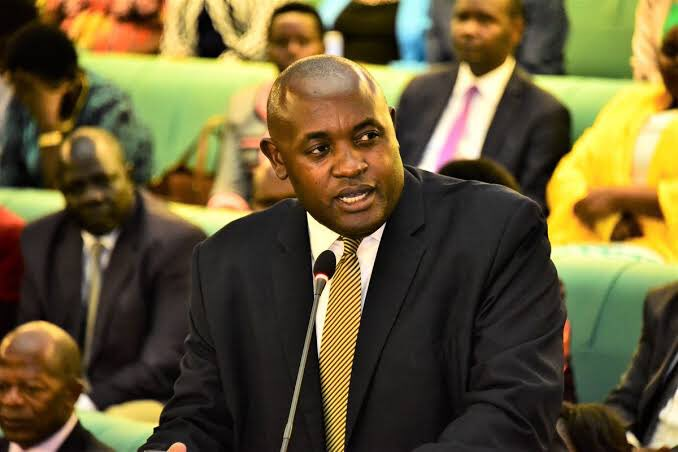
Minister of ICT and National Guidance, Hon. Chris Baryomunsi, has defended his 2012 arrest, denying claims that he was abducted by the government, and urging opposition figures to stop using the case as a political “gotcha” moment.
The matter resurfaced in Parliament this week amid debates over political accountability and the handling of opposition leaders.
Baryomunsi clarified that the 2012 charges were not related to the late Hon. Cerinah Nebanda’s body parts, but concerned advocating for the welfare of a colleague who died under unclear circumstances.
“In 2012, I battled with government for nine months in court and defeated it,” he said. He added that the arrest was legal, he was produced in court, and that he later forgave the government, with former Inspector General of Police Kale Kayihura formally apologizing to him.
The controversy also drew comments from Hon. Ibrahim Ssemujju (Kira Municipality), who said he had supported Baryomunsi while in custody but felt overlooked.
“Hon. Chris Baryomunsi is dragging me into an argument I am not part of. I supported him while he was in custody, yet he keeps creating the impression that I said something when I did not. Is that right?” Ssemujju asked. Thomas Tayebwa, an NRM MP, added that Baryomunsi should at least thank Ssemujju for standing in for him during that period.
Baryomunsi used the platform to urge the opposition to avoid politicizing the incident. “We are fighting for transparency and accountability, not for historical grudges. There are no charges against former Presidential Candidate Robert Kyagulanyi alias Bobi Wine. He voluntarily chose to go into hiding,” Baryomunsi said.
On the current security presence at Kyagulanyi’s residence, Baryomunsi defended the deployment, saying it is intended to prevent the property from being used as a hub for public disorder, rather than to detain the opposition leader.
The debate highlights ongoing tensions between ruling and opposition parties, particularly regarding security operations, political accountability, and the interpretation of past legal cases, as Parliament scrutinizes both historical and current governance issues.