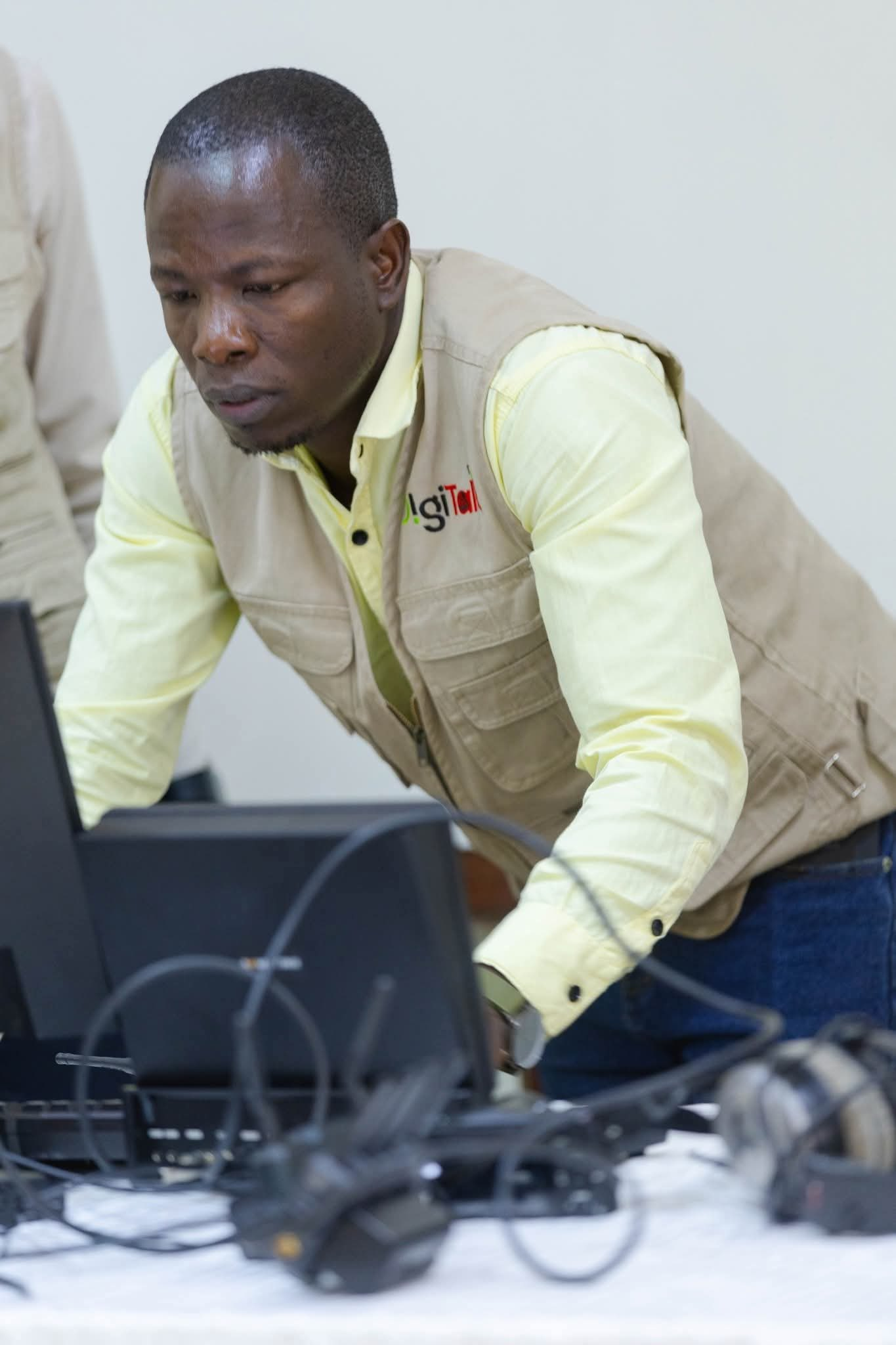
The Ministry of Health has launched the Uganda Suprahub, a groundbreaking innovation designed to strengthen how health workers across the country learn, train, and access expert guidance.
The initiative, unveiled through the Ministry’s Human Resources Development Department with support from the U.S. Government, marks a major step toward modernising health workforce capacity using digital technology.
Over the past five years, Uganda has invested heavily in tele-mentoring—a virtual, case-based training model that links frontline health workers to national experts. This approach has rapidly expanded, with 425 health facilities and all 17 Regional Referral Hospitals now connected to the national tele-mentoring network.

The system is further powered by six national hubs hosted at key programs and institutions, including the AIDS Control Program, Butabika National Referral Mental Hospital, Makerere University School of Public Health, and the Pharmacy Department. Professional health councils have also adopted the platform to support continuous professional development.
According to Dr Charles Olaro, Director General of Health Services, the Uganda Suprahub represents the next phase of strengthening health worker competencies, especially as the country integrates HIV and TB services into primary health care.
“Since October, more than 5,000 health workers have joined our weekly national sessions,” Dr Olaro said. “And while over 425 facilities are equipped with tele-mentoring tools, many health workers still log in using personal laptops and mobile devices out of a strong desire to learn.”

U.S. Ambassador to Uganda, William Popp, praised the innovation, describing the tele-mentoring model as a low-cost, high-yield approach that maximises scarce resources.
“This model connects expert clinicians with frontline health workers. It optimises specialist knowledge, spreads expertise widely, and reduces delays in getting lifesaving information to the people who need it,” Ambassador Popp noted.
By enhancing remote collaboration, real-time learning, and expert support, the Uganda Suprahub is expected to significantly improve health service delivery—particularly in rural and underserved areas—while strengthening Uganda’s overall health system.