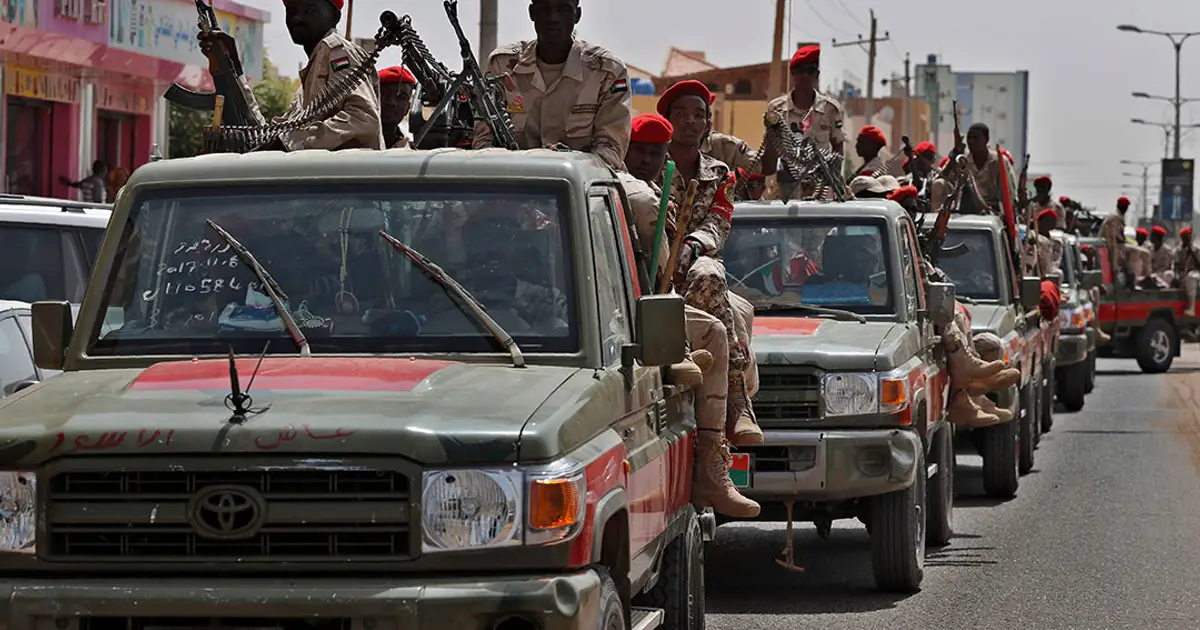
Kinshasa, DRC – The 9th Ordinary Summit of Heads of State and Government of the International Conference on the Great Lakes Region (ICGLR) concluded in Kinshasa with a forceful Declaration addressing escalating conflicts, most notably officially designating Sudan’s Rapid Support Forces (RSF) as a terrorist group and demanding the immediate withdrawal of foreign troops and the M23 from the eastern Democratic Republic of Congo (DRC).
Convened under the theme “Consolidating Peace and Security for Sustainable Development in the Great Lakes Region,” the summit brought together leaders from twelve member states, including Presidents Felix Antoine Tshisekedi Tshilombo of the DRC, Paul Kagame of Rwanda, and William Ruto of Kenya, to tackle severe security and humanitarian crises across the bloc.
RSF Blacklisted and Sanctions Sought
In a significant escalation of regional response to the conflict in Sudan, the Heads of State collectively decided to blacklist the RSF.
The Declaration stated: “Designate the Rapid Support Forces (RSF) as a terrorist group and direct the Conference Secretariat to lobby the African Union and UN Security Council to sanction and list the RSF as an international terrorist group, considering the gravity of crimes and atrocities perpetrated by the group.”
The leaders also urged all member states to “share intelligence on hostile activities of the rebel terrorist Group RSF that threaten regional security and stability.”
Strong Demands for Peace in Eastern DRC
The security and humanitarian crisis in eastern DRC was a central focus of the two-day meeting. The ICGLR demanded immediate compliance with international resolutions and condemned non-state armed groups operating in the region.
The Declaration issued a direct call “to demand the immediate withdrawal of troops of the aggressor country from the DRC in accordance with United Nations Security Council Resolution 2773, as well as to condemn the continuation of hostilities by the ‘March 23 Movement’ (M23) and the Allied Democratic Forces (ADF).”
The Summit further called on all actors “to facilitate the free movement of humanitarian supplies to affected areas in the DRC,” expressing “grave concern over the deteriorating humanitarian and security situation in eastern DRC, Sudan, the Central African Republic, and South Sudan.”
Focus on Women, Youth, and Natural Resources
Beyond immediate conflict resolution, the summit laid out a comprehensive plan for development and regional integration.
In a move to empower underrepresented groups, the leaders adopted the 2nd Generation Regional Action Plan on Women, Peace, and Security (2026-2030), which targets “40% women negotiators by 2030.” Furthermore, member states were urged to accelerate National Action Plans on Youth, Peace, and Security, ensuring young people are “meaningfully included in decision-making processes.”
On economic matters, the leaders stressed the importance of fighting the illicit trade in minerals. They directed regional bodies to “engage transit and destination countries of minerals by establishing formal mineral trade cooperation with the ICGLR to ensure responsible mineral sourcing from the Great Lakes Region benefits the people of our Member States.”
The summit concluded with the appointment of Dr Mubita Luwabelwa of Zambia as the new ICGLR Executive Secretary, succeeding H.E. Ambassador João Samuel Caholo of Angola, who was paid tribute for his “dedicated service and leadership in advancing the mandate of the ICGLR.”
The Republic of Burundi will assume the next Chairmanship of the ICGLR after the DRC.