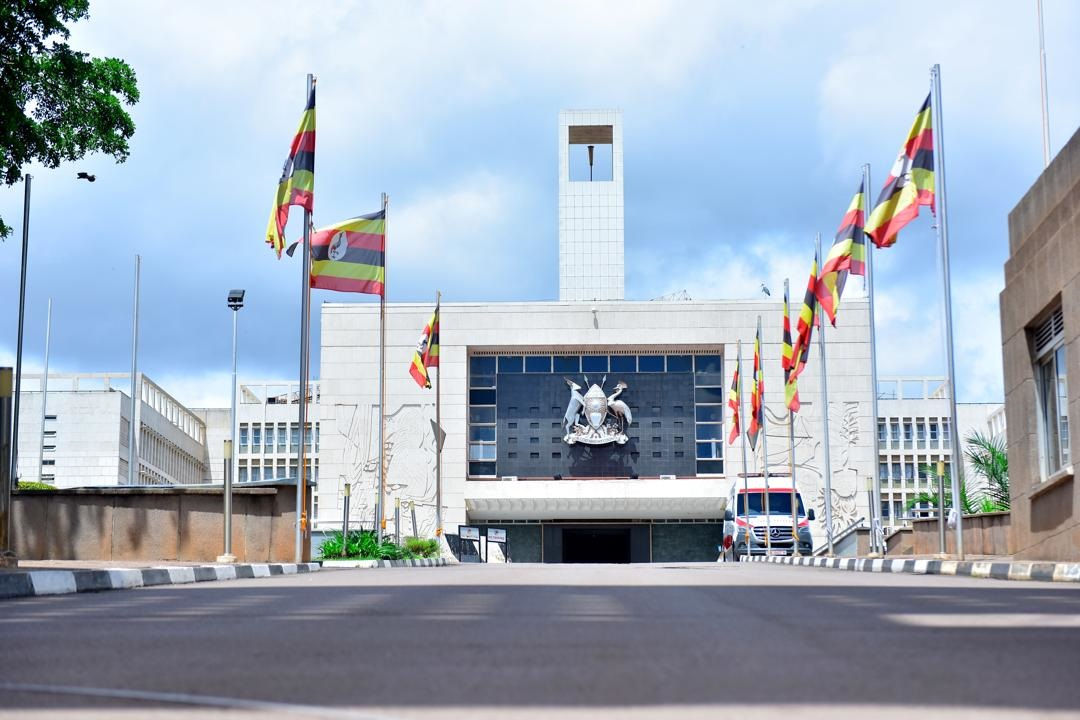
Parliament has been recalled from recess to consider new loan requests totalling UGX 2.177 trillion and to receive the National Budget Framework Paper (NBFP) for the 2026/27 financial year, marking the start of formal budget discussions for the next fiscal cycle.
In a notice issued on December 12, 2025, the Clerk to Parliament, Adolf Mwesige, informed Members of Parliament that a special plenary sitting will take place on December 16, 2025. The notice was accompanied by the Order Paper outlining the business to be handled during the sitting.
According to the notice, MPs will first consider a motion seeking parliamentary approval to authorise the prefinancing of the design and construction of the Kayunga–Bbaale–Galiraya Road, an 87-kilometre stretch to be upgraded from gravel to paved standard.
Parliament will then deliberate on a proposal authorizing government to borrow up to US$162 million (approximately UGX 575.6 billion) from the Korea Export-Import Bank to finance the Makerere University Improvement Project.
The House is also expected to consider a third motion seeking approval for government to borrow up to €385 million (about UGX 1.602 trillion) from Rand Merchant Bank (RMB) and other financial institutions to support government infrastructure development and financing needs.
If approved, the three loan proposals will bring the total borrowing under consideration during the sitting to UGX 2.177 trillion.
In addition to the loan requests, the Ministry of Finance is expected to table the National Budget Framework Paper for FY 2026/27 to 2030/31, which sets out government’s fiscal strategy, priorities and expenditure plans for the medium term.
The ministry will also present a proposal seeking parliamentary approval to waive tax arrears owed by Newplan Limited, as well as the tax expenditure report for the period July to September 2025 under the 2025/26 financial year.
The recalled sitting comes amid ongoing public debate over Uganda’s rising public debt and government borrowing, with the upcoming parliamentary deliberations expected to attract close scrutiny from both legislators and the public.