Opposition leader Robert Kyagulanyi, popularly known as Bobi Wine, has accused security forces of abducting a National Unity Platform (NUP) candidate in Kampala, amid rising political tension ahead of the 2026 general elections.
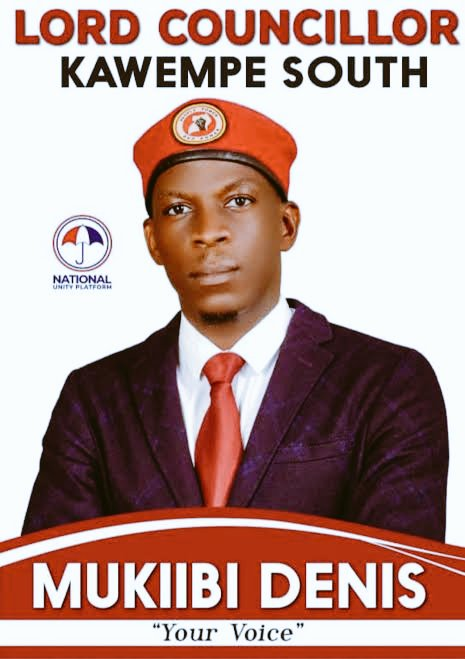
In a statement posted on X on Tuesday, Kyagulanyi said Mukiibi Denis, the NUP candidate for Lord Councillor, Kawempe South, was seized by heavily armed soldiers in Kawempe, a Kampala suburb.
“Our comrade Mukiibi Denis… has been abducted by heavily armed soldiers in Kawempe,” Kyagulanyi wrote. “He joins a long list of NUP leaders and activists who are being picked up by these criminals as we approach the 2026 election.”
Kyagulanyi linked the alleged abduction to what he described as systematic repression of opposition figures, calling on supporters to resist through civic action. “#ProtestVote2026 can bring an end to this madness,” he added.
The development comes as the NUP leader also accused the Electoral Commission and its chairperson, Justice Simon Byabakama, of deliberately blocking opposition candidates from participating in local government races.

In a separate post, Kyagulanyi claimed that the Commission had “denominated”—effectively disqualified—NUP’s Makindye Division mayoral candidate, Lusagala Bosco, along with 11 other contenders, leaving the ruling National Resistance Movement (NRM) candidate unopposed.
“Whatever Museveni and Byabakama are looking for, THEY WILL DEFINITELY GET!!” Kyagulanyi said. “Each day gives us more reason to fight on until Uganda is free.”
The opposition has repeatedly accused the Electoral Commission of bias in favour of President Yoweri Museveni, who has been in power since 1986 and is expected to seek another term in 2026.
The Commission and security agencies had not immediately responded to the latest allegations by the time of publication.
Reports of arrests, disappearances, and disqualification of opposition candidates have intensified as the election cycle gains momentum, raising concerns among civil society groups about political freedoms, electoral credibility, and the safety of opposition supporters in the lead-up to the polls.