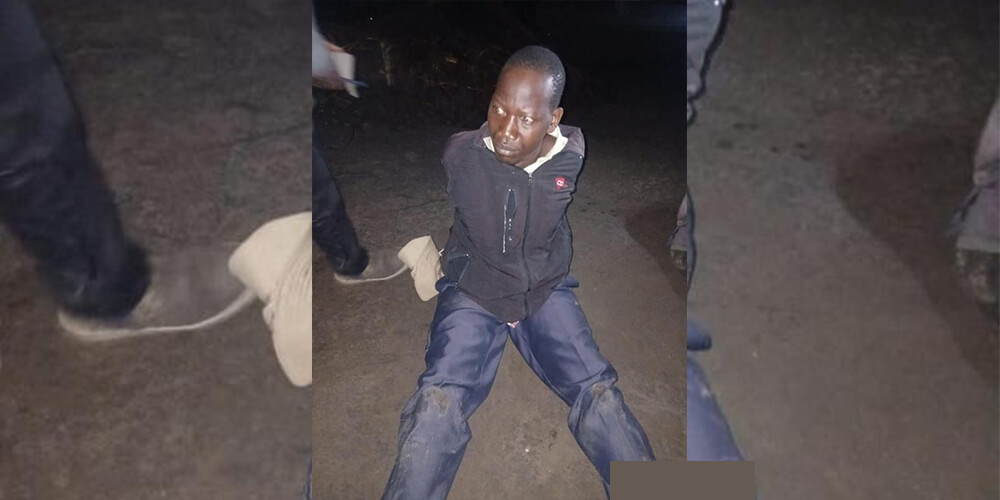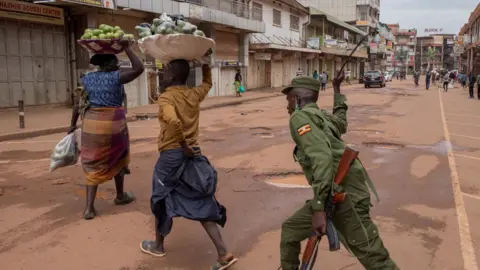
President Yoweri Kaguta Museveni has directed the police and other national armed forces to immediately stop the practice of caning civilians, particularly during arrests and crowd-control operations, saying the method is unacceptable and should not be used under any circumstances.
In his end-of-year address, Museveni said while some police forces around the world employ batons in managing crowds, he does not support the practice and wants it halted in Uganda.
“I reject the practice of caning lawbreakers,” Museveni said. “Some police forces around the world do it using batons. I, however, reject it. It must stop.”
The President likened caning by security personnel to outdated forms of punishment once used in schools and homes, which he said were wrong.
“Teachers and parents used to cane us but it was the wrong method,” he said.
Museveni advised the police to rely instead on lawful, non-lethal methods such as tear gas and water cannons when dealing with disorderly crowds, but cautioned that even these tools must be used responsibly to protect innocent people.
“The police should use non-lethal methods, such as tear gas, more carefully ensuring bystanders are at a safe distance before deployment,” he said.
He further emphasized that crowd-control measures must be applied in a structured and transparent manner, including issuing clear warnings before force is used.
“The police should be much more methodical, if they are to use tear gas or water cannons or other non-lethal techniques, by for instance using loudspeakers to warn people and give them time to pull away,” Museveni added.
The directive comes amid continued public scrutiny of police conduct during political gatherings and protests, with concerns frequently raised by civil society groups over excessive use of force.
Museveni said the guidance is intended to promote professionalism within the security forces while safeguarding the rights and safety of civilians.