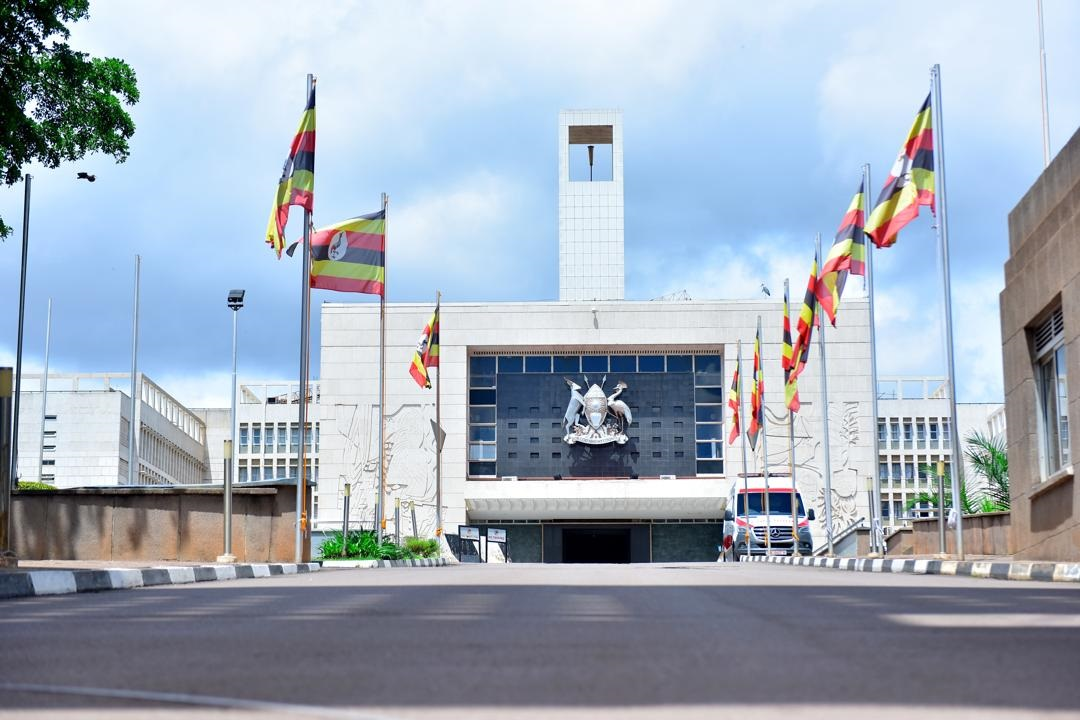
Each Member of Parliament (MP) in Uganda’s incoming 12th Parliament is set to receive about Shs315 million as a taxpayer-funded vehicle grant, following approval of the allocation in the final budget of the outgoing 11th Parliament.
According to budget documents approved in late January 2026 for the 2026/2027 financial year, Parliament allocated a total of Shs166.8 billion to cater for vehicle grants for approximately 529 MPs, including elected legislators and ex-officio members. This translates to about Shs315.3 million per MP.
The grant represents a significant increase from the Shs200 million that MPs in the current 11th Parliament received in 2021. The new figure reflects an increment of about Shs115 million per legislator.
Reports by the Daily Monitor and other Ugandan media outlets indicate that the money will be paid directly to MPs as a cash allowance to enable them purchase vehicles for constituency work, legislative duties, oversight and representation. There are no strict conditions requiring MPs to account for the specific type of vehicle purchased or how the funds are ultimately spent.
Defending the allocation, parliamentary and government officials have previously argued that the vehicle grant helps MPs perform their duties effectively and aligns their benefits with those of senior civil servants, such as permanent secretaries, who are provided with government vehicles, drivers and fuel.
“The vehicle facilitation is meant to ease MPs’ work in their constituencies and reduce the long-term cost of maintaining government fleets,” officials have argued in past debates, noting that cash grants are considered cheaper than providing fully serviced official cars.
However, the decision has sparked renewed public debate and criticism, particularly on social media, with many Ugandans questioning the timing and size of the grant amid rising living costs, pressure on public services and broader economic challenges.
Civil society actors and commentators have argued that the Shs166.8 billion allocation could instead be directed to critical sectors such as health, education, infrastructure and poverty alleviation.
Similar criticism was voiced in 2021 when MPs received a Shs200 million vehicle grant during the COVID-19 period.
Historical comparisons show that MPs’ vehicle benefits have steadily risen over successive parliaments, from about Shs103 million in the 9th Parliament, to Shs150 million, then Shs200 million, and now Shs315 million for the 12th Parliament.
The issue has been widely reported by local and international outlets, including the Daily Monitor and online news platforms, and has become one of the most talked-about outcomes of the 2026/2027 budget approval as Uganda prepares for the new Parliament following the 2026 general elections.