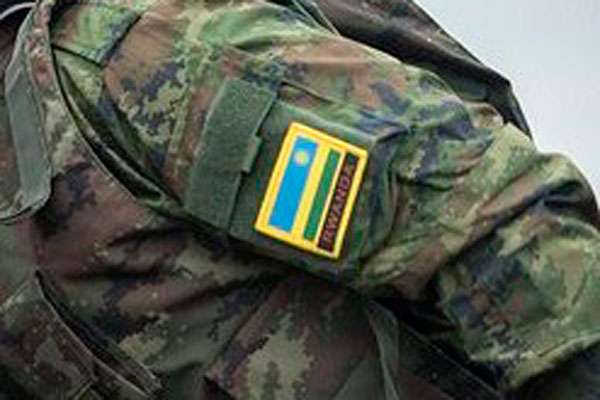
The Democratic Republic of the Congo (DRC) has announced the capture of seven Rwandan soldiers and eight foreign civilians in its eastern provinces, accusing them of participating in the ongoing M23 rebellion in North and South Kivu.
The announcement was made between January 3–5, 2026, and the individuals were publicly presented in Kinshasa as evidence of Rwanda’s direct military involvement in the conflict.
According to the DRC, the captured Rwandan soldiers include: Major Jean-Paul Kundu, senior intelligence officer, Captain Nsengiyumva Joseph and Private 2nd Class Bukuru Jules, from the Rwanda Defence Forces’ “Vodacom Battalion”. The group was reportedly under the command of Colonel JP Sibomana.
The eight civilians are accused of links to proxy groups such as RED-Tabara. FARDC spokesperson Lt. Col. Guillaume Ndjike Hazukay described the arrests as “irrefutable evidence” of Rwanda violating the U.S.-brokered Washington Accords signed on December 4, 2025, as well as UN Security Council resolutions demanding Rwandan troop withdrawal from DRC territory.
The announcement comes amid renewed clashes in Uvira, South Kivu, where M23—accused by the UN, U.S., and DRC of being backed by Rwandan troops—briefly captured the city in December 2025 before partially withdrawing under international pressure.
Broader Context
The eastern DRC conflict intensified throughout 2025, with M23 seizing major urban centres, including Goma (North Kivu) and Bukavu (South Kivu), displacing millions and drawing international concern. Analysts have long accused Rwanda of supporting M23 to secure access to mineral resources and to counter Hutu militias like the FDLR.
Rwanda denies direct involvement, claiming defensive motives, though UN investigations have documented RDF (Rwandan Defence Forces) presence and command over M23 operations.
No immediate official response from Rwanda regarding the January 2026 claims was reported, consistent with Kigali’s historical pattern of rejecting similar allegations from 2022–2025. The DRC has used such incidents to advocate for international sanctions, though independent verification is challenging due to the ongoing conflict in the Kivu region.
The DRC-Rwanda tensions reflect a long-standing cycle of accusations, proxy warfare, and prisoner claims in eastern Congo, contributing to one of Africa’s most severe humanitarian crises.
Rwanda has yet to publicly respond to the latest claims. The situation remains fluid, with ongoing military operations and diplomatic efforts shaping the broader response to the escalating conflict.