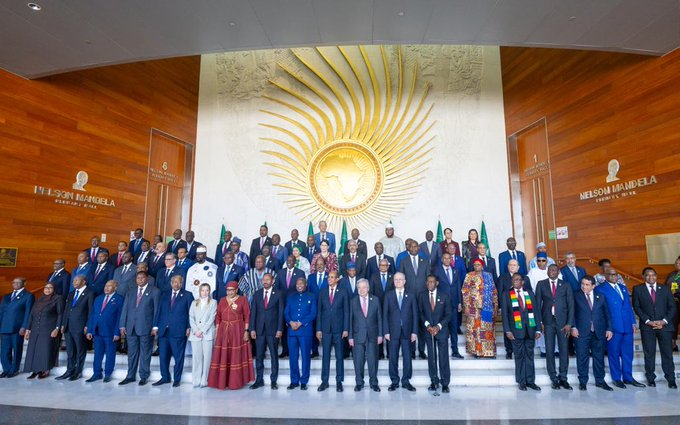
Ghana is set to lead a major international push for reparations over the transatlantic slave trade after African Union (AU) member states unanimously backed an initiative by President John Dramani Mahama.
The proposal seeks to have the United Nations declare the transatlantic slave trade the gravest crime against humanity and to call for reparations, including the return of looted cultural artefacts.
With the AU’s endorsement secured, Ghana is now preparing to table the resolution at the United Nations General Assembly on March 25, 2026.
Officials familiar with the process say President Mahama is also expected to rally support for the initiative at the upcoming Caribbean Community (CARICOM) Summit, scheduled for February 24, 2026, as the bloc marks its 50th anniversary. Diplomats believe CARICOM’s backing would significantly strengthen the campaign by building a united front between African and Caribbean nations that were historically impacted by slavery.
The AU’s unanimous position reflects growing momentum across the continent for historical justice and reparative action.
Diplomatic sources say the resolution is intended to build international consensus around accountability for the long-term social, economic and cultural damage caused by slavery and colonial exploitation.
The breakthrough has been credited to sustained diplomatic engagement by Ghana’s Ministry of Foreign Affairs, working closely with a network of global experts and activists coordinating advocacy efforts across multiple regions.
Supporters have described the development as a powerful show of unity in the pursuit of truth and justice, linking reparations to wider calls for transforming Africa’s development path through leadership focused on opportunity creation and shared prosperity.
If adopted, the resolution would represent one of the most significant global acknowledgements of the transatlantic slave trade’s legacy and could open a new phase in international discussions on reparations and restitution.