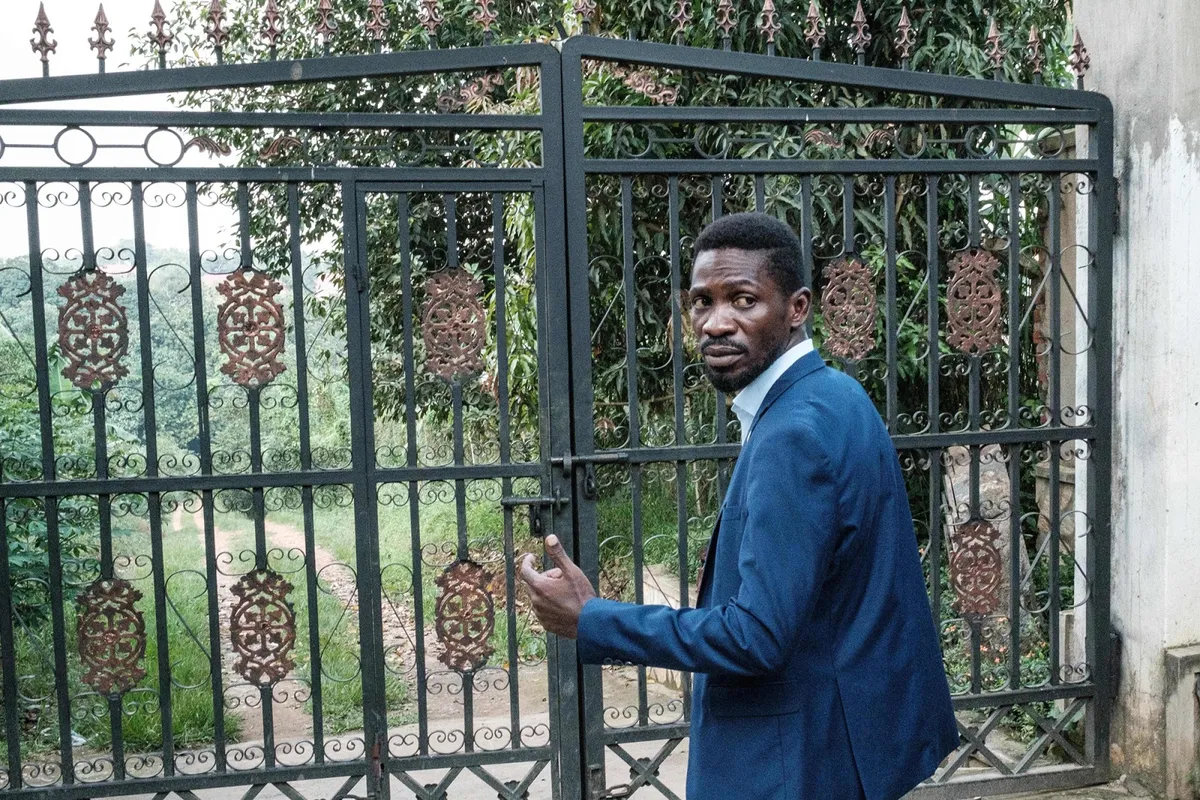
KAMPALA — National Unity Platform (NUP) leader Robert Kyagulanyi Ssentamu, popularly known as Bobi Wine, has welcomed a resolution by the European Parliament condemning Uganda’s recently concluded elections and the alleged human rights violations that followed.
In a statement shared on X (formerly Twitter) on Friday, Bobi Wine expressed gratitude to the European lawmakers for debating Uganda’s political situation and adopting what he described as an important resolution denouncing what he termed a “sham election” and continued repression under President Yoweri Museveni’s government.
“Very grateful to the European Parliament for debating the situation in Uganda and passing a very important resolution condemning the sham election, as well as the subsequent violations of human rights by the Museveni regime,” Bobi Wine wrote.
He added that the European Parliament’s action offered reassurance to Ugandans who feel oppressed, saying it reinforces the belief that the international community is watching.
“Adding your voices to those of the millions of oppressed people in Uganda reassures us that the world is watching and that eventually, there will be accountability for the crimes committed against the people of Uganda,” he said.
The resolution, adopted under a joint motion titled RC-B10-0121/2026, focuses on the post-election situation in Uganda and alleged threats against Bobi Wine following the January 15, 2026 elections.
According to the European Parliament, the elections were “marred by abuses,” including restrictions on civic space, intimidation of opposition figures, fraud, violence, and a nationwide internet blackout.
The European legislators noted that while Uganda’s Electoral Commission declared Museveni winner for a seventh term, the process failed to meet “fundamental democratic standards.”
The motion also raised concern over reports that the military laid siege to Bobi Wine’s residence and allegedly assaulted his family and staff, forcing his wife, Barbara Kyagulanyi, to relocate outside the country.
The European Parliament further condemned the reported crackdown on opposition supporters, journalists, and civil society actors, citing claims of more than 400 arbitrary arrests before election day and hundreds more afterwards, alongside reports of torture and ill-treatment in detention.
The resolution also referenced the reported shooting of Mesach Okello, an NUP supporter who was allegedly killed during a peaceful rally on November 28, 2025, and expressed concern about reports of missing NUP regional leaders following the elections.
Lawmakers also highlighted the case of veteran opposition figure Dr Kizza Besigye, alleging he was illegally rendered from Kenya, detained for over a year prior to the elections, denied medical care, and faces treason charges.
In its recommendations, the European Parliament called on Ugandan authorities to end threats, harassment, arbitrary detention, and violence against opposition figures, activists, journalists, and government critics.
It also urged Uganda to immediately release individuals it described as arbitrarily detained, including Besigye, halt military trials of civilians, drop politically motivated charges, disclose the whereabouts of missing persons, and implement electoral reforms to ensure the independence of the judiciary and the Electoral Commission.
The resolution further called on the European Union and its Member States to review their cooperation and assistance to Uganda, consider targeted sanctions, and increase support to civil society organisations, human rights defenders, journalists, and LGBTIQ+ advocates.
The European Parliament instructed its President to forward the resolution to the EU Council and Commission, the African Union, and Ugandan authorities.
Bobi Wine’s remarks come amid heightened political tensions in Uganda following the elections, with opposition groups continuing to challenge the credibility of the process and calling for accountability over alleged abuses.