On the occasion of Congo’s independence in June 1960, King Baudouin addressed the people of the Congo, declaring, in a condescending tone: “The independence of Congo is the end result of the work started with the exceptional personality of King Leopold II, which he tackled with determined courage and which has been continued with persistence by Belgium. It represents a defining moment in the destination, not only of Congo itself, but I have no hesitation in saying it, of all of Africa.”
Patrice Lumumba’s reply still roars across time: a lament, a prophecy, a warning.
“Men and women of the Congo – I salute you… Our wounds are still too fresh to forget… We have known backbreaking labor rewarded with starvation wages; contempt and blows delivered morning, noon, and evening simply because we were Negroes… We have known the theft of our lands through ‘laws’ crafted only for the strong… But we say to you out loud: from now on, all that is over!”
Africa’s quest for independence from the twin yokes of the Arab slave trade and European colonialism was never a single, luminous march. It was a tapestry of contrasts — brilliance wrapped in brutality, hope raging against betrayal. Across coasts and kingdoms, entire families were torn apart by Arab and Portuguese slavers.
Then came November 15th, 1884 — the Berlin Conference.
The British, the French, the Dutch, the Spaniards, the Americans — all filed into a hall under the patronage of Belgium’s Leopold II. They arrived pretending to be civilised; they left openly united in plunder. The gospel of Christ Our Redeemer was replaced with greed. Leopold, in particular, was granted a territory ninety-eight times the size of his own kingdom. He christened it the Congo Free State — a phrase so soaked in irony it still bleeds. Today, we call it the Democratic Republic of the Congo.
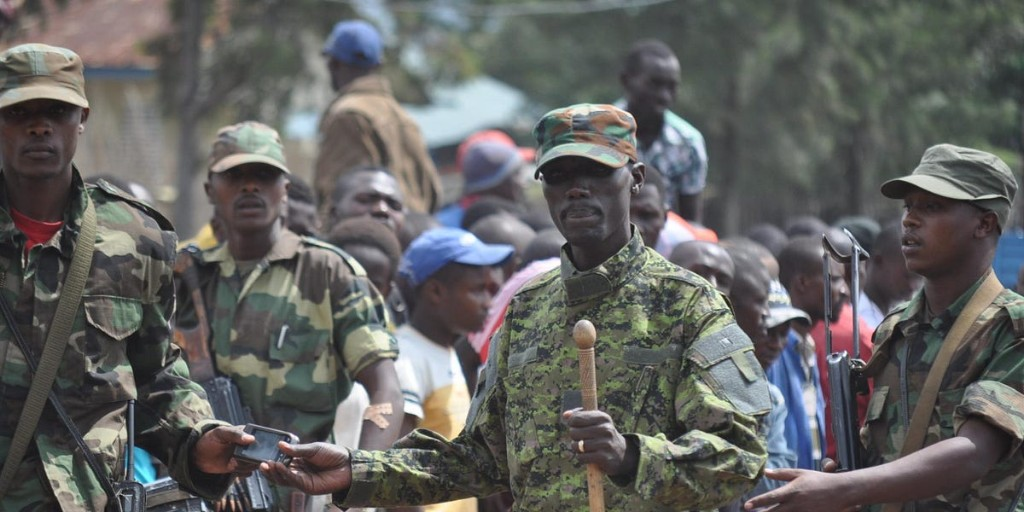
Yet democratic it is not. Republican, barely. Free, never quite. The DRC remains a vast cathedral of sorrow — home to at least fifty militias, a land whose citizens have not tasted the full sweetness of its vast mineral wealth. Its plunderers have changed flags, not intentions: Americans, Europeans, Chinese, Arabs — all partaking.
Meanwhile, its political class — from the hesitant Kasavabu who applauded King Baudouin’s condescending tirade in 1960, through Mobutu, the Kabilas, and now Félix Tshisekedi — has delivered catastrophe with unfailing discipline. To date, over six million Congolese have died as a result of political chaos. Governance was long ago replaced by decay. And for the Congolese Tutsi (Banyamulenge), citizenship was replaced by fear.