Female bodyguards have a long and fascinating history, serving as protectors, symbols of power, and enforcers of security across cultures and eras—from ancient empires to modern executive protection.
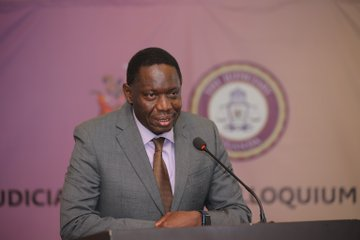
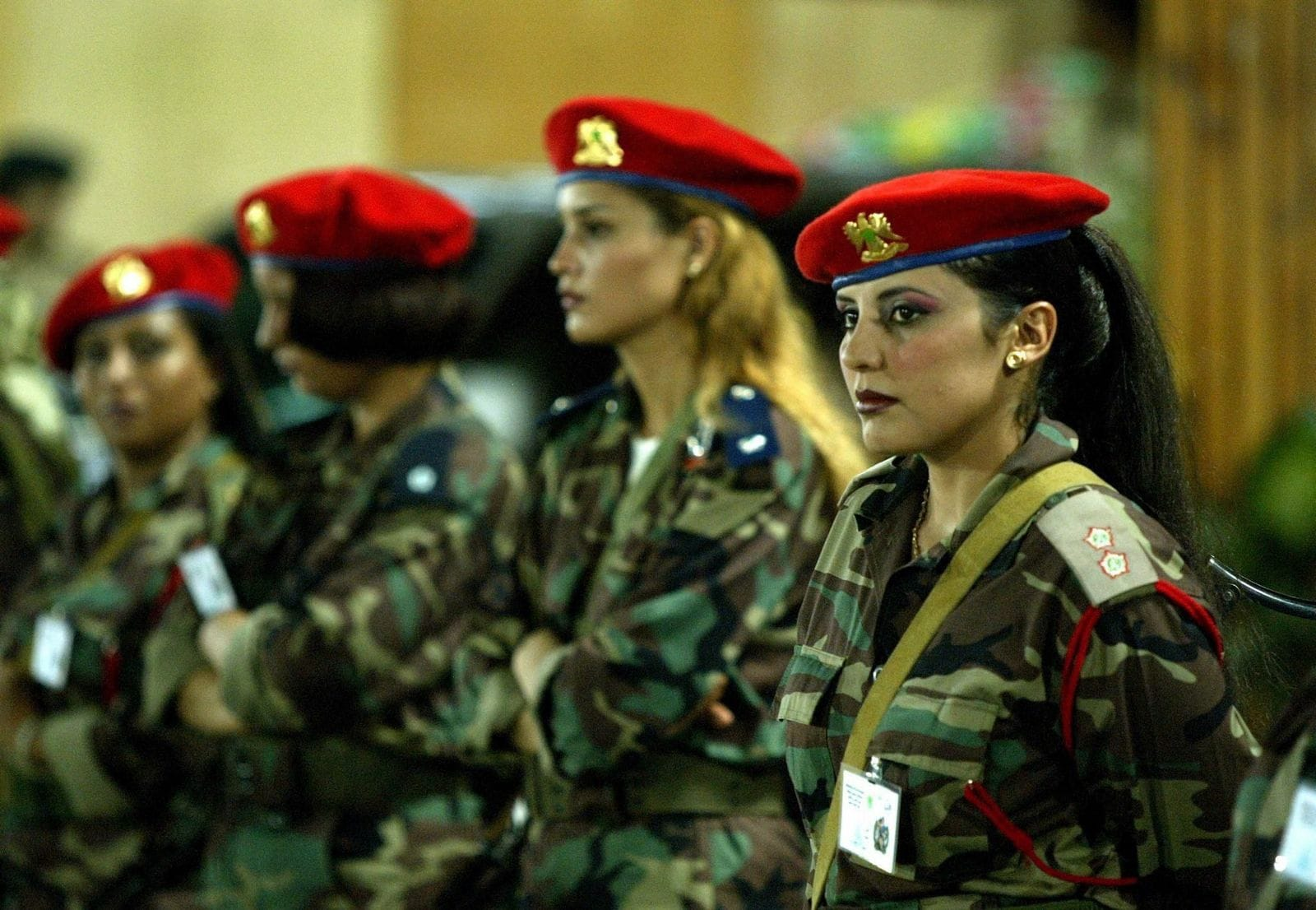
Journalist Rogers Atukunda (@rarrigz) recently reflected on this history, questioning the fate of Muammar Gaddafi’s “Amazonian Guard”, an elite all-female cadre officially known as the Revolutionary Nuns.
“Now it’s history like it never even existed,” Atukunda wrote.
Ancient and Pre-Modern Eras
Female warriors and bodyguards date back thousands of years, often guarding rulers, harems, or leaders in spaces inaccessible to men.
Ancient India (Maurya Empire, 4th–2nd century BCE): Greek ambassador Megasthenes described armed female guards protecting Emperor Chandragupta Maurya, including during hunts, enhancing both prestige and security.
Mughal Empire (16th–19th centuries): The urdubegis were elite female warriors protecting the royal zenana (harem), highly trained in swords, daggers, and bows.
Kingdom of Dahomey (17th–19th centuries, modern Benin): The Dahomey Amazons (Mino or Ahosi) formed a formidable all-female regiment, serving as royal bodyguards and frontline soldiers. Established under Queen Hangbe and expanded under King Ghezo, Europeans compared them to mythical Amazons.

Kingdom of Siam (Thailand, 1688): The Krom Klone was an all-female security force responsible for protecting the royal family within palace grounds.
Early Modern and 20th Century
Suffragette Movement (UK, early 20th century): Radical suffragettes trained in jiu-jitsu and other martial arts formed a secret society of female bodyguards to protect leaders like Emmeline Pankhurst from police assault.
Muammar Gaddafi’s Revolutionary Nuns (Libya, 1980s–2011): Gaddafi personally selected around 400 young, unmarried, and beautiful women, who swore to protect him at all costs.
Trained in firearms and martial arts at the Women’s Police Academy in Tripoli, they also performed domestic and ceremonial duties. The first public appearance was in 1981 during a visit to Syria. In 1998, a bodyguard named Aisha sacrificed her life shielding Gaddafi from an ambush in Derna.

While Gaddafi framed the Revolutionary Nuns as a step toward female emancipation—stressing women’s equality in his Green Book and ensuring access to education and professional opportunities—posthumous accounts revealed dark controversies. Many women alleged coercion, sexual abuse, and manipulation in the selection process, casting a shadow over the unit’s legacy.
Modern Era
Female bodyguards are increasingly prevalent in private and executive security globally:
Jacquie Davis (UK, 1980s–present): Protected celebrities, royals, and hostages; her career inspired the 2019 Netflix thriller Close.
Anna Loginova (Russia, 2000s): A former model and KGB-trained bodyguard, she founded an all-female agency for Moscow’s elite before her death in 2008.

China: Women often serve as bodyguards in disguised roles, protecting millionaires and high-profile clients while maintaining discretion.
Legacy of Female Bodyguards
From the legendary Dahomey Amazons to modern-day executive protection, women have served as both protectors and symbols of power. The Revolutionary Nuns exemplify the extremes of this tradition: a mix of empowerment, elite military training, and the darker realities of coercion under authoritarian regimes.
Atukunda reflects on this history: “We are just pawns in the gods’ game of fate.” Indeed, female bodyguards have repeatedly occupied a unique intersection of duty, symbolism, and controversy across centuries.