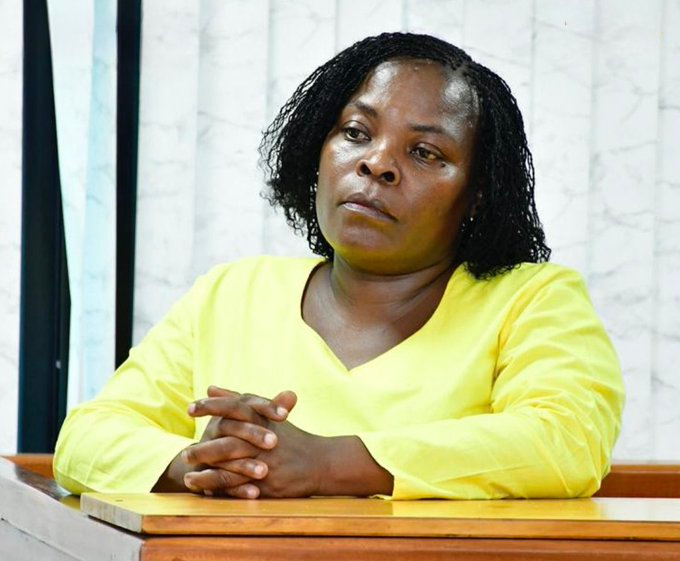
Ugandan author and activist Anne Mugisha has sharply criticised the government following the nationwide internet shutdown during the 2026 general elections, describing it as a symbol of decades of repression and public compliance under President Yoweri Museveni’s long rule.
In a strongly worded statement shared on social media on January 14, Mugisha argued that the shutdown exposed how effectively Ugandans have been “managed and rocked to sleep” over the past 39 years. She painted a bleak picture of a country where citizens openly criticise oppression but retreat in the face of threats, and where state power is exercised with impunity.
“In Uganda, we exist in a different dimension,” Mugisha wrote, accusing the government of routinely torturing and incarcerating opponents while relying on public fear and global indifference to maintain control. She said fundamental rights are not protected by law but are instead “bestowed and withdrawn by those in power at will.”
Mugisha went further to question the legitimacy of Uganda’s electoral process, arguing that both cyberspace and the ballot box are effectively controlled by the state. According to her, repeated participation in elections under militarised conditions only serves to legitimise predetermined outcomes.
“The battle is not at the ballot box either — we have lost that too because we can neither defend the ballot box nor the tallying centre,” she said, calling on Ugandans to rethink participation in elections and instead focus on withdrawing consent and compliance with what she described as unjust governance.
Her remarks came as the government offered an alternative explanation for the internet outage. Minister of State for Youth and Children Affairs Balaam Barugahara Ateenyi said the disruption was caused by damage to undersea fibre optic cables in Mombasa, Kenya.
“The latest I’m getting from my friends in Mombasa is that a ship was passing by and cut the internet cables,” Balaam said in a post shared widely online. The explanation was met with scepticism and ridicule from sections of the public, given Uganda’s history of election-period internet shutdowns.
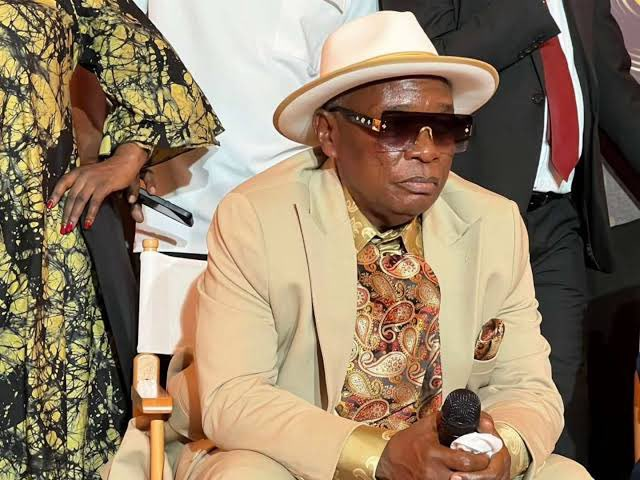
The posts triggered a wave of reactions on social media. Media personality Sheilah C. Gashumba mocked the minister’s remarks, saying Ugandans were left with little choice but to laugh at the situation. “Sometimes we just need to laugh,” she wrote, reacting to Balaam’s statements.
For Mugisha, however, humour masks a deeper national tragedy. She described Uganda as a country that “laughs at its own oppression” and normalises family rule despite calling itself a republic.
She warned against violence, urging unity among citizens and the pursuit of non-violent ways to resist and withdraw consent from what she called an oppressive system.
“We must identify as one oppressed people facing one oppressor,” Mugisha said, concluding with the rallying cry: Aluta Continua.
As Uganda emerges from another contentious election cycle, the internet shutdown, official explanations, and sharply contrasting public reactions have once again highlighted deep divisions over governance, legitimacy, and the future of democracy in the country.