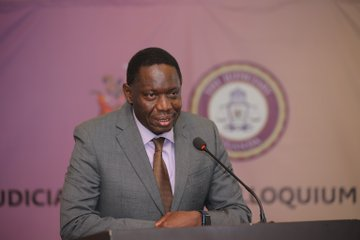
Rukungiri – Uganda’s Minister for Security, Maj Gen (rtd) Jim Muhwezi, has called for a bylaw to regulate alcohol consumption, citing the country’s alarming drinking rates. Muhwezi made the remarks while attending Christmas Day prayers at Kasoroza Church of Uganda in Rukungiri District.
“The rate at which alcohol is consumed in Uganda is worrying. We need stricter laws to control its availability and protect our communities,” Muhwezi said.
Uganda has one of the highest alcohol consumption rates in Africa, with an average of 12.2 litres of pure alcohol consumed per person annually, far exceeding both the regional average of 6.3 litres and the global average of 6.18 litres. Men are the heaviest consumers, averaging 19–20 litres annually, compared to 4–5 litres among women.
Experts warn that heavy alcohol use contributes to a range of health, social, and economic problems, including liver disease, cancers, mental health disorders, violence, poverty, family breakdown, and road accidents.
Recent data indicate that illicit and unregulated alcohol accounts for 67–71% of the market, often containing dangerous contaminants.
Muhwezi emphasised the social impact of harmful drinking: “Alcohol destroys families, reduces productivity, and leads to road accidents. Our youth and vulnerable groups are the most affected.”
According to the Ministry of Health, alcohol-related diseases cost Uganda over UGX 2.65 trillion (~US$714 million) annually in treatment, with alcohol-attributable deaths ranging from 3,900 traffic fatalities to thousands more from diseases and social harm.
Despite policy efforts, including the 2019 National Alcohol Control Policy and the Alcoholic Drinks Control Bill 2023, enforcement remains weak. Cultural acceptance, widespread availability of cheap and illicit brews, and aggressive marketing continue to fuel consumption.
Public health experts advocate for stronger regulation, treatment access, and public awareness campaigns. “We need comprehensive measures, including enforcement of existing laws, restrictions on advertising, and community education, to reduce the burden of alcohol on society,” said a health policy analyst.
Muhwezi’s call for a bylaw comes amid growing concern over youth drinking, poverty-linked substance abuse, and the role of illicit alcohol in public health crises.