
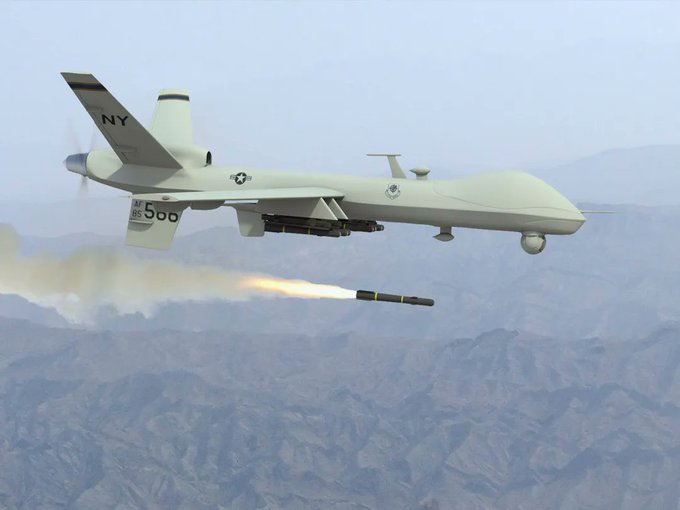
Abuja / Washington — The United States has confirmed carrying out airstrikes against suspected Islamic State (ISIS/ISIL) elements in northwest Nigeria, a move that has drawn sharply contrasting reactions from Nigerian officials, analysts, and the public.
In a statement issued on December 26, U.S. Africa Command (AFRICOM) said the strikes were conducted on December 25 in Sokoto State, following directives from the U.S. President and Secretary of War, and in coordination with Nigerian authorities. AFRICOM described the targets as ISIS terrorists operating in the region.
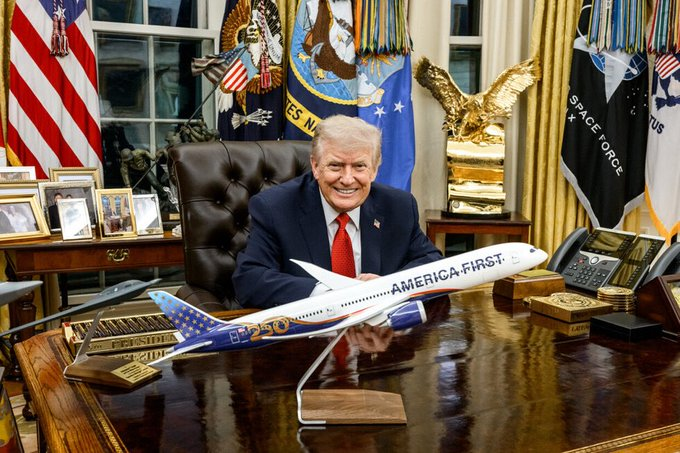
U.S. President Donald Trump, writing through the official Department of War account, said the strikes were aimed at militants he accused of “viciously killing, primarily, innocent Christians,” adding that the operation involved “numerous perfect strikes” executed by the U.S. military. He warned that further attacks would follow if the violence continued.
Nigeria confirms cooperation, urges caution
Nigeria’s Ministry of Foreign Affairs confirmed that the strikes were part of ongoing security cooperation and intelligence collaboration between Abuja and international partners, including the United States. In a statement, the government said the airstrikes were “precision hits on terrorist targets” in the North West, carried out in line with international law and respect for Nigeria’s sovereignty.
The ministry stressed that terrorism in Nigeria affects all communities, regardless of religion or ethnicity, and warned against framing the violence as exclusively targeting Christians.
“Terrorist violence in any form—whether directed at Christians, Muslims, or other communities—remains an affront to Nigeria’s values and to international peace and security,” the statement read.
Questions over targets
Despite official confirmation of cooperation, uncertainty remains over the exact nature of the targets. Speaking to Sky News, a Nigerian presidential adviser said he was not fully certain which group had been hit, describing the situation as “sketchy,” even as he acknowledged that Nigeria had shared intelligence with the United States ahead of the operation.
Analysts have also challenged President Trump’s characterisation of the violence. Bulama Bukarti, a peace and conflict analyst, told Al Jazeera English that the description of the attacks as primarily anti-Christian was a “fundamental misrepresentation of reality,” noting that armed groups in northwest Nigeria have targeted both Muslim and Christian communities.
Divided public and expert opinion
Reactions among analysts and citizens have been mixed. Political analyst Ebenezer Obadare said the strikes, though late, could bring relief to victims of extremist violence, including those affected by Boko Haram and ISIS-linked groups. Others, however, questioned the necessity of U.S. military involvement, with some residents in Lagos telling Al Jazeera that Nigeria should be able to handle its own security challenges.
Northwest Nigeria has in recent years experienced escalating violence involving bandit groups, jihadist factions linked to ISIS, and criminal networks, blurring lines between terrorism and organised crime.
The Nigerian government said it would continue engaging partners through established diplomatic and security channels, while strengthening its own intelligence and security institutions. Further details on the impact of the strikes and any casualties had not been released by press time.