

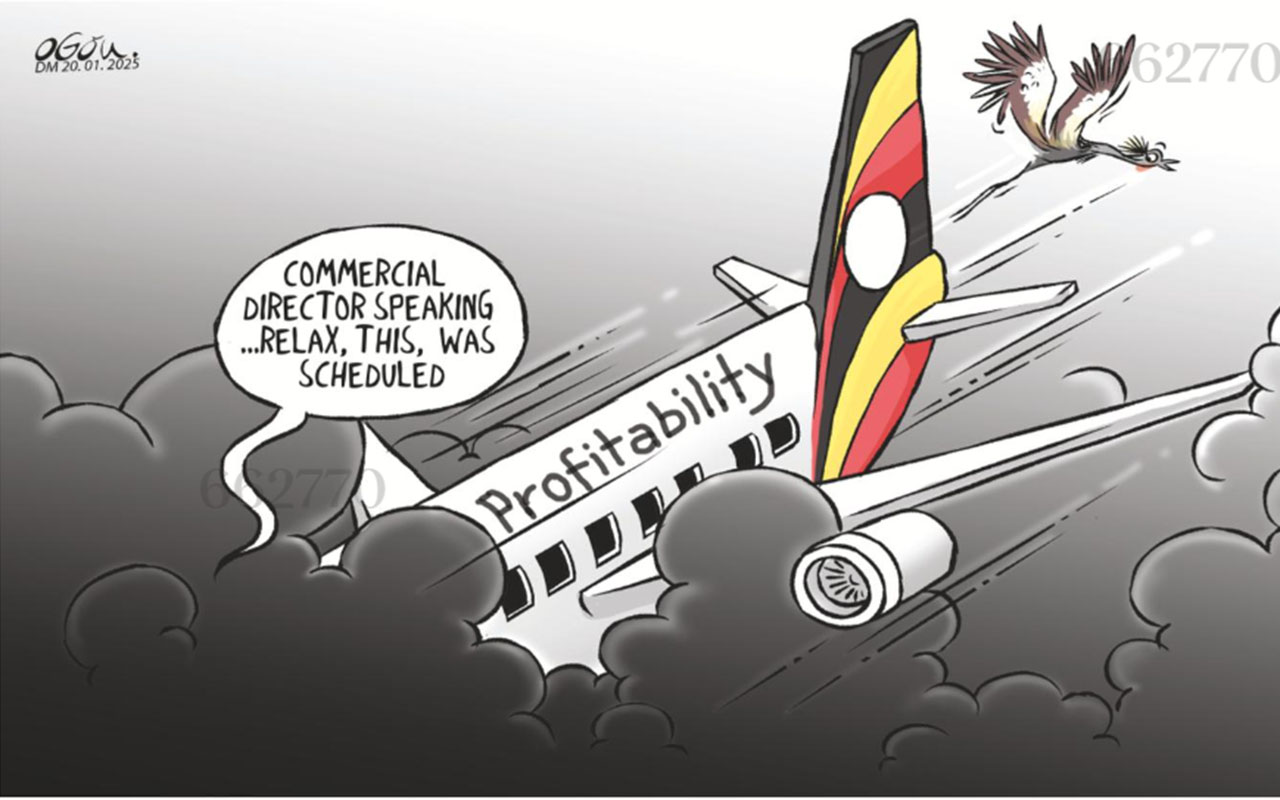
Julius Mukunda, Executive Director of the Civil Society Budget Advocacy Group (CSBAG), has called for professional management and robust oversight of Uganda Airlines, warning that poor governance could cost taxpayers millions.
In the supplementary budget, Shs 422 billion has been allocated for the airline’s additional aircraft. Mukunda questioned whether Uganda Airlines’ current financial performance justifies this expansion or whether it risks further losses.
“The solution is simple: we need business and aviation experts to run Uganda Airlines,” Mukunda said. “We are putting nearly half a trillion shillings into guarantees, and it risks going down the drain again. This is not just about Uganda Airlines; all state-owned enterprises must be managed by competent professionals. Otherwise, the challenges we face today will only worsen.”
Speaking on governance in state-owned enterprises, Mukunda emphasised the need for professional expertise in managing strategic public investments. Uganda Airlines, he noted, has faced scrutiny over financial losses, procurement irregularities, and operational disruptions.
“When systems are automated or treated mechanically, it opens the door for loopholes and excuses,” Mukunda explained. “Processes treated like a robot handles them allow people to justify actions that would otherwise be unacceptable. Strong oversight and clear policy direction are critical.”
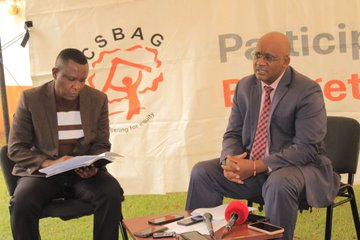
Mukunda highlighted the airline’s challenges, citing reported losses of UGX 266 billion in past Auditor General reports and noting instances such as cancelled fuel procurement deals flagged by the Public Procurement and Disposal of Public Assets Authority.
“Employment and contracting should never be treated casually. Decisions involving public funds affect livelihoods and long-term economic stability. Allocating work without proper scrutiny creates inefficiencies and undermines trust,” he said.
He urged the government to back national projects, including Uganda Airlines, with realistic budgets and sound business cases. “Any expansion must be justified by financial performance and risk assessment. Public investment should not be driven by emotion or political pressure. If a venture does not make business sense, it should not proceed simply because it is popular or symbolic,” Mukunda added.
He also stressed that private companies, taxation, and regulations must operate within clear rules, warning that bypassing procedures compounds challenges for state enterprises.
“Supplementary budgets are increasingly used to cover predictable gaps, expanding expenditure without accountability. Transparency, discipline, and evidence-based decisions are essential. Without them, even well-intentioned projects can fail, leaving the country with debt, losses, and missed opportunities,” he said.

Mukunda’s call comes amid ongoing public debate over Uganda Airlines’ performance. The airline, revived in 2019, is led by CEO Jenifer Bamuturaki and Board Chairperson Priscilla Mirembe Serukka. Despite fleet expansion and service improvement efforts, the carrier continues to face operational disruptions, flight delays, and financial scrutiny.
CSBAG has repeatedly highlighted governance and accountability concerns, advocating reforms to ensure public funds are effectively managed and that the airline is run by professionals capable of delivering sustainable results.
On broader fiscal issues, Mukunda warned of rising public debt and overreliance on supplementary budgets. “When debt rises, a country gradually loses independence in decision-making. For example, when more than 30 shillings of every 100 collected go to interest payments, that is alarming,” he noted, explaining that commercial debt, which now constitutes nearly half of Uganda’s debt portfolio, is riskier due to higher interest rates and shorter repayment periods.
He also raised concerns about the government’s capacity to efficiently utilise borrowed funds, noting delays in project execution as a critical risk.
“Supplementary budgets are increasingly funding predictable expenditures, turning the main budget into a ceremonial exercise. This undermines scrutiny and accountability. Ministries may rely on supplementary budgets for items that should have been included in the main budget, such as the Electoral Commission’s printing of ballot papers,” Mukunda said.
He concluded: “Transparency, proper planning, and professional management are essential. Without them, public funds are at risk, and key investments like Uganda Airlines may fail despite significant taxpayer support.”