

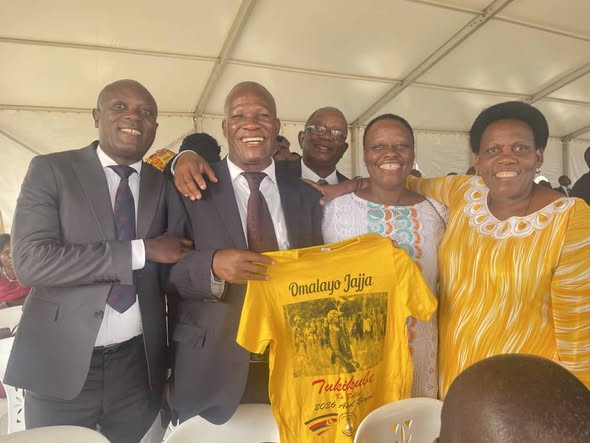
In a move that has captured political attention in Uganda, former Bushenyi–Ishaka Municipality MP Odo Tayebwa has been appointed as a Presidential Adviser on Poverty Alleviation.
The appointment comes after his defection from the opposition party Forum for Democratic Change (FDC) to the ruling National Resistance Movement (NRM).
Who is Odo Tayebwa?
Odo Tayebwa previously represented Bushenyi–Ishaka Municipality in Parliament.
He joined the NRM in 2024 after leaving FDC during a Thanksgiving ceremony attended by senior party officials.
After losing his parliamentary seat in 2021, Tayebwa reportedly sought posts within government structures, including a reported—but unconfirmed—appointment as Assistant Commissioner for Cooperative Development in the Ministry of Trade, Industry and Cooperatives (MTIC).
What the New Role Means
As Presidential Adviser on Poverty Alleviation, Tayebwa will be part of the institutional framework tasked with tackling poverty across Uganda. This role aligns with long-standing government efforts led by the Poverty Alleviation Department (PAD) under the Presidency, which, since 2000, has coordinated wealth creation and poverty reduction programmes.
PAD’s mandate includes designing and implementing initiatives focusing on income generation, food security, value addition, home improvement, and savings/credit — all aimed at helping households transition out of poverty.
With Tayebwa’s background in Bushenyi, a region often highlighted in national development discussions, his appointment could carry symbolic and practical weight — signalling the government’s intent to widen its reach in poverty-focused policies beyond central areas.
Political Significance
The appointment of a former opposition MP turned adviser is likely to be interpreted within the broader context of shifting political alliances in Uganda. Analysts suggest such moves reinforce the ruling party’s strategy of co-optation, particularly ahead of the 2026 general elections.
Critics argue that the appointments of former opposition figures to advisory roles may weaken opposition strength at the grassroots. Supporters counter that this could help integrate dissenting voices into policymaking — potentially fostering inclusive governance.
What’s Next
Tayebwa’s performance in the new role will be closely watched — especially how effectively he helps operationalise poverty alleviation efforts, and whether his appointment yields tangible benefits for communities, especially in Bushenyi and other rural areas.
It also remains to be seen whether this appointment signals a broader trend of absorbing former opposition politicians into government advisory roles — a dynamic that could reshape Uganda’s political development landscape.