

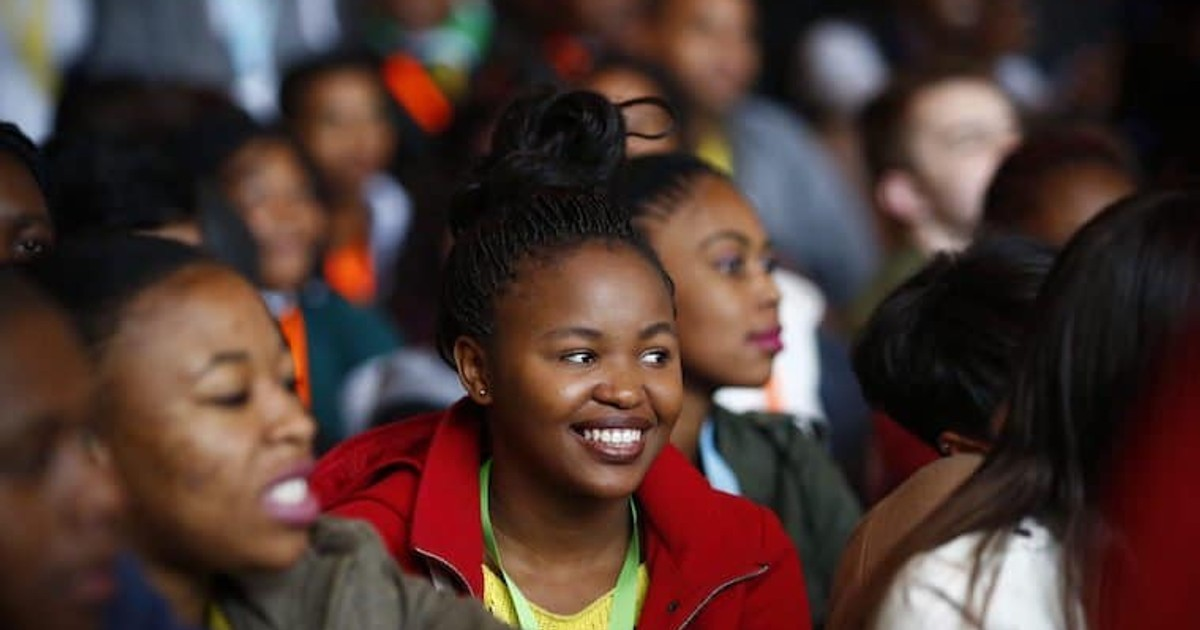
A new global study shows that wealth is not necessarily linked with stronger mental health among young people, with several countries in Sub-Saharan Africa outperforming richer nations in measures of wellbeing.
According to the Global Mind Health Report 2025 by Sapien Labs, young adults aged 18 to 34 in many African countries scored significantly higher on the Mind Health Quotient (MHQ) — a comprehensive metric assessing emotional, cognitive, social and resilience capacities — than their counterparts in wealthier regions such as Europe, North America and parts of Asia.
African Youth Lead Global Rankings
The report found that several African nations topped the world’s youth mental health rankings: Ghana ranked first globally in MHQ scores for young people and Nigeria, Kenya, Zimbabwe and Tanzania also featured among the top performers.
By contrast, high-income countries like the United Kingdom, Japan and Canada were placed much lower on the list.
What the MHQ Shows
The Mental Health Quotient measures aspects of psychological functioning that go beyond traditional mental illness diagnoses, including emotional regulation, social connection, cognitive strength and resilience — all crucial for navigating life’s challenges.
Despite greater investment in mental health services, many wealthy nations have seen declining MHQ scores among young adults, a trend that researchers say reflects deeper social issues rather than a lack of clinical care.
Key Influences on Youth Mental Health
The report highlights several factors that may help explain why some regions outperform others:
Strong family relationships appeared to support better mental health outcomes, with close family bonds associated with significantly higher MHQ scores.
Spirituality — defined as a sense of connection to something greater than oneself — was linked to improved resilience.
Early exposure to smartphones and high consumption of ultra-processed foods, common in wealthier countries, were both associated with poorer mental health outcomes.
Social cohesion and community support networks also emerged as protective influences that are often stronger in several African contexts.
Global Trends and Challenges
Despite outpacing their peers in richer nations, young Africans still face mental health challenges, and the report notes that youth worldwide — regardless of region — generally score lower than older adults on MHQ measures. This generational gap has widened since the COVID-19 pandemic as modern lifestyle factors reshape young people’s experiences.
Experts say the findings underscore that mental health is shaped by social, cultural and lifestyle factors — not just access to financial resources or healthcare systems.