
Kampala / Lagos / Johannesburg — Bossip Africa has launched a new monthly editorial feature, the Bossip Africa Billionaires List, a ranked and regularly updated index tracking Africa’s wealthiest individuals and the business empires behind their fortunes.
The publication says the list is intended to provide a clear, data-driven picture of how wealth is built, maintained, and sometimes lost across the continent. Editors emphasise that the project focuses on verified financial information and sector analysis, distancing itself from celebrity culture and social status.
“The goal is not to celebrate wealth, but to explain it,” Bossip Africa said in a statement. “We want to show where Africa’s capital is concentrated, how it is built, and how it influences economies, industries, and policy.”
The list, which was introduced in January 2026, will be updated every month to reflect changes in publicly available valuations, market movements, corporate performance, currency shifts, and major business transactions.
How the List is Compiled
According to Bossip Africa, the rankings features individuals with an estimated net worth exceeding $1 billion. The publication says it will use a blended methodology based on publicly verifiable information, including: public market data on listed company shareholdings, corporate ownership disclosures and filings, audited company results and independent financial reporting and valuation models for private companies, real estate, and commodity-linked assets.
Each billionaire profile will detail the primary source of wealth, geographic footprint, major business developments, and year-to-date changes in estimated net worth.
Bossip Africa says monthly reviews will account for volatility in stock markets, exchange rate changes, asset disposals, and significant corporate events.
First Rankings Highlight Dangote at the Top
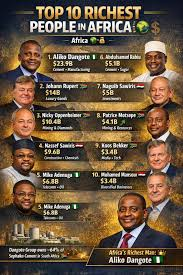
Early updates from January 2026 have reportedly placed Nigerian industrialist Aliko Dangote at the top of the list, with Bossip Africa estimating his wealth at about $30 billion, higher than some estimates published by international trackers.
Dangote’s business empire spans cement manufacturing, sugar production and refinery operations, and oil-related investments.
The publication notes that the list is independent and distinct from global billionaire trackers such as Forbes and Bloomberg, positioning itself as a more frequently updated Africa-focused index.
Why the Billionaires List Matters
Bossip Africa says Africa’s billionaire class is increasingly influential in investment flows, job creation, infrastructure development, and the broader political economy.
By tracking this group systematically, the publication says it aims to enhance understanding of how wealth is concentrated and how capital moves across borders.
The project is expected to improve transparency around corporate power, highlight sectors generating the most capital, and provide policymakers, investors, and the public with deeper insight into economic concentration across the continent.
Economists have noted that such lists can be useful when handled responsibly.
“Understanding where wealth sits helps explain investment patterns, political influence, and economic inequality,” said one regional economic analyst. “The key is transparency in methodology and consistent updates.”
Editorial Standards and Limitations
Bossip Africa has cautioned that all figures published are estimates based on publicly available data and can change quickly. It acknowledged that privately held businesses are often difficult to value accurately and that complex ownership structures may not always be fully captured.
The publication also emphasised that net worth should not be confused with liquid cash, as much of the wealth tracked is tied to long-term assets and business holdings.
Methodology notes will accompany each update to help readers understand valuation assumptions and track changes over time.