

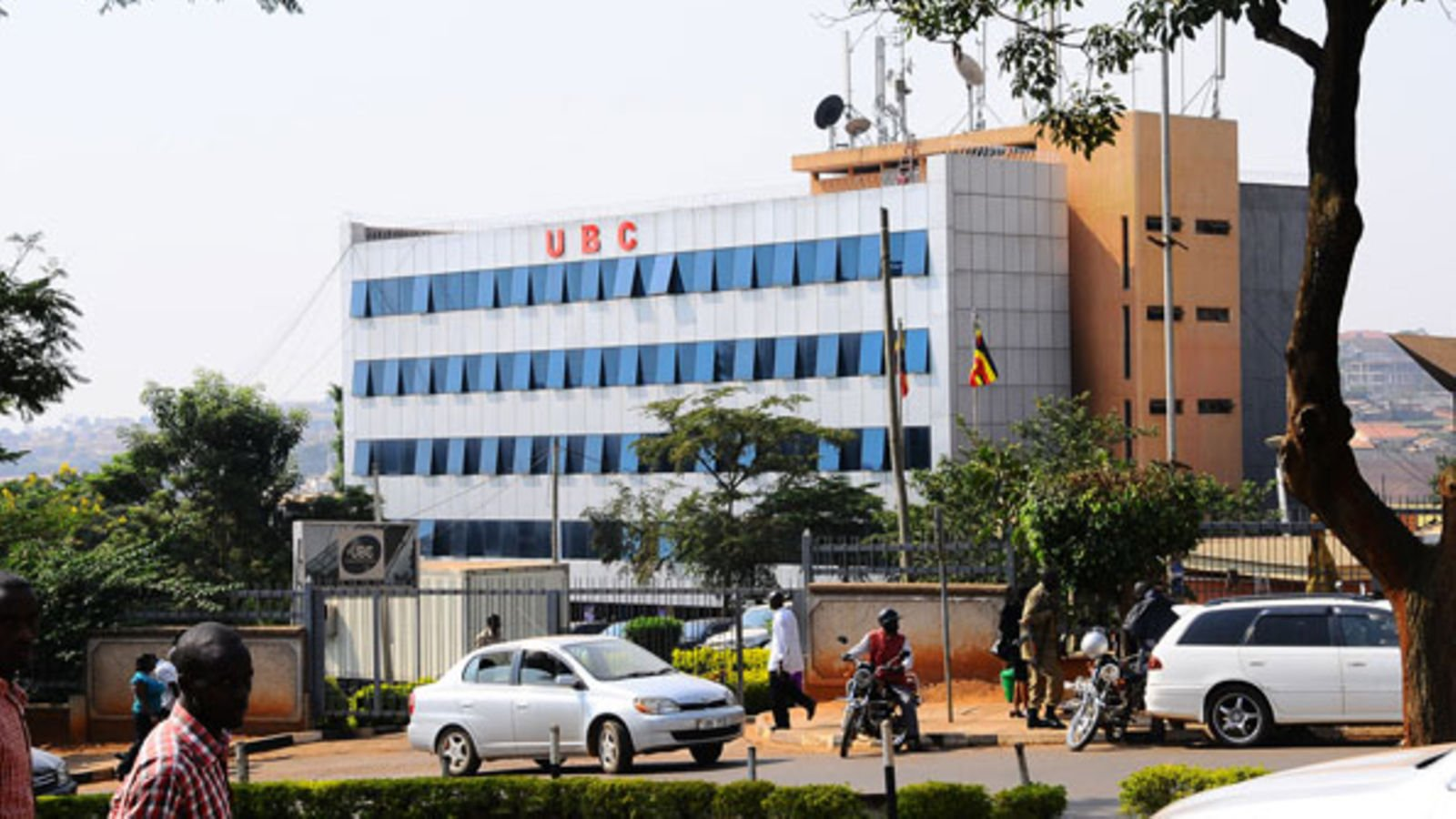
The government has reaffirmed its commitment to inject 30 billion Ugandan shillings annually—approximately $8 million—into the Uganda Broadcasting Corporation (UBC) as part of efforts to transform the national broadcaster into a modern, competitive public media house.
The pledge was reiterated by the Minister of ICT and National Guidance, Dr Chris Baryomunsi, who said President Yoweri Kaguta Museveni issued the funding directive to address long-standing challenges facing UBC, including chronic underfunding, outdated broadcasting equipment, and limited content production capacity.
“The President directed that UBC be funded UGX 30 billion annually in the national budget to elevate it to the level of Al Jazeera, BBC, and CNN,” Dr Baryomunsi said in remarks shared on X by UBC on January 27.
The funding commitment was first announced in 2023, alongside a policy decision allowing UBC to carry private advertisements to supplement government financing and improve its commercial viability.
The government argues that sustained funding is critical to reposition UBC as a credible public broadcaster capable of effectively informing, educating, and entertaining Ugandans, while also projecting the country’s image regionally and internationally.
However, the renewed pledge has sparked mixed reactions online, with many Ugandans questioning government priorities amid competing demands in key social sectors.
Critics on social media platforms, particularly X, pointed to persistent funding gaps in the health sector, including Mulago National Referral Hospital’s reported challenges in financing specialized services such as organ transplants.
Others noted that health continues to receive about five percent of the national budget, raising concerns in a context of rising public debt, pressure on social services, and heavy infrastructure spending.
Supporters of the move, however, argue that revitalizing UBC is long overdue, saying a strong public broadcaster is essential for national development, countering misinformation, promoting local content, and ensuring government communication reaches citizens effectively.
The debate unfolds as government prepares and implements successive national budgets under tight fiscal conditions, balancing social service delivery, debt obligations, and strategic investments in state institutions.