

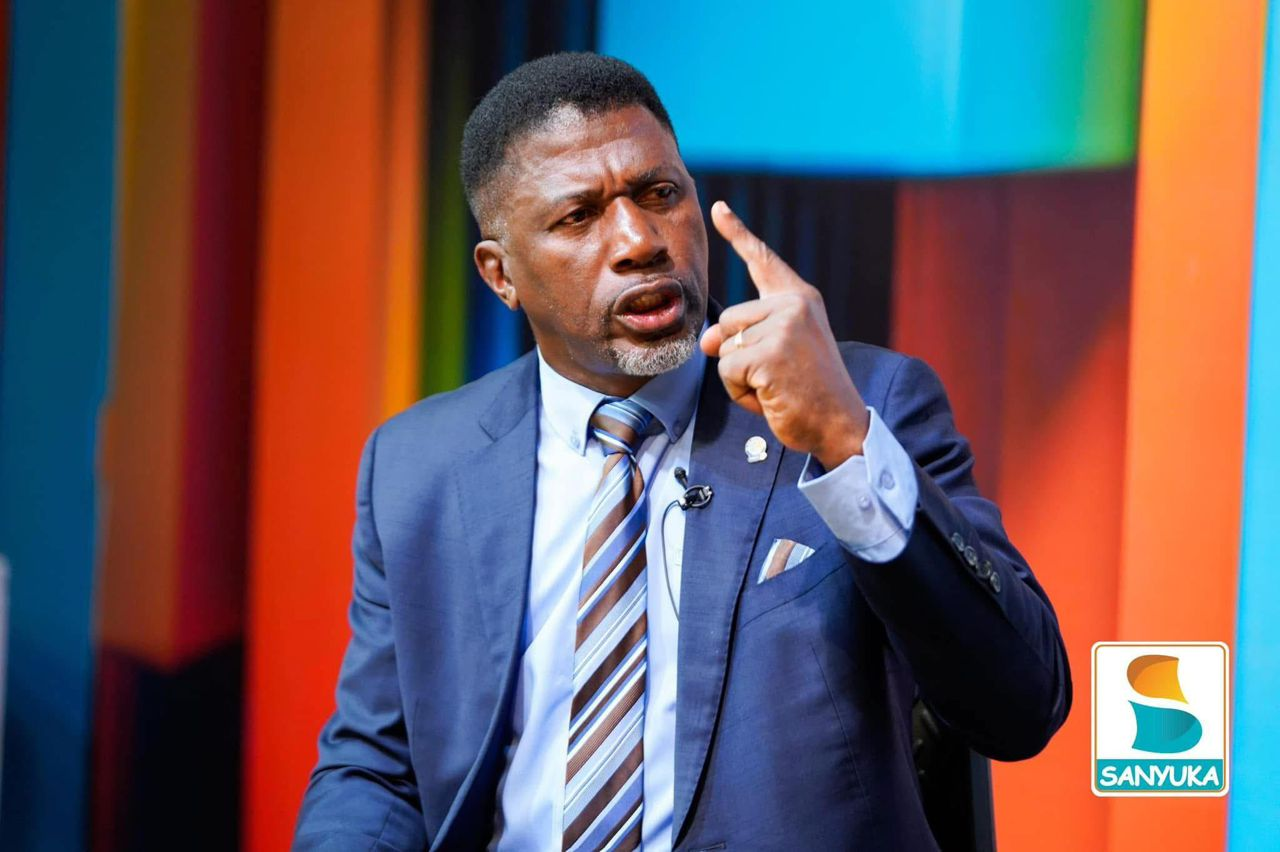
Newly elected Kampala Lord Mayor Ronald Balimwezo Nsubuga has outlined an ambitious vision for the capital, pledging inclusive leadership, swift action and an end to political infighting as he begins his tenure following the January 2026 local government elections.
Balimwezo, a National Unity Platform (NUP) candidate, won the Lord Mayor race with about 141,220 votes, defeating long-serving incumbent Erias Lukwago, who came third, and the National Resistance Movement (NRM) flag bearer. His victory marked a significant political shift in the leadership of Kampala City.
In a series of post-election interviews and public statements shared widely online, Balimwezo said his administration would focus on practical solutions rather than political rivalry.
“I am a team player. Kampala does not need fights; it needs solutions,” Balimwezo said in one interview, adding that his priority is to “restore order, integrity and dignity” to the city.
Traffic and law enforcement top agenda
A key pillar of Balimwezo’s plan is easing traffic congestion and restoring order on Kampala’s streets. He said his administration will enforce the KCCA Maintenance of Law and Order Ordinance of 2006, but with better planning and professional input.
He revealed plans to involve young engineers, urban planners and transport experts, as well as outsource services where necessary, to redesign traffic flow and improve enforcement.
“Kampala has laws; the problem has been implementation,” he said, according to remarks shared on YouTube and social media platforms.
Boda boda reforms
Balimwezo also outlined reforms for the boda boda sector, which he described as both vital to livelihoods and a major contributor to congestion and disorder. Kampala is estimated to have more than 500,000 boda boda riders.
He said his administration will designate specific stages, enforce traffic rules such as helmet use, regulate street parking and clearly demarcate operating zones.
“At the same time, we must be humane,” he said, noting that unemployment has pushed many young people into the sector. “We shall look for alternatives and opportunities, not just force people off the roads.”
Street vendors and markets
On street vending, Balimwezo said the city will work with vendors rather than confront them. His plan involves creating designated markets and organised trading spaces to reduce congestion while protecting livelihoods.
Infrastructure and first 100 days
Balimwezo identified drainage, roads and garbage management as urgent priorities, promising visible improvements within his first 100 days in office. He cited frequent flooding, pothole-riddled roads and uncollected waste as long-standing failures that frustrate residents.
“We must fix drainage channels, repair roads and clean this city,” he said in one interview. “People want action, not excuses.”
Other initiatives include addressing roaming animals in the city, improving regulation of food vending, tackling land grabbing, and carrying out an inventory of KCCA properties, including public schools affected by encroachment.
Anti-corruption and teamwork
The new Lord Mayor has also promised a corruption-free administration grounded in the rule of law. He said infighting between political and technical leaders at City Hall has previously cost Kampala billions of shillings and stalled development.
Balimwezo stressed that collaboration between KCCA officials, central government and political leaders will be central to his leadership style.
“Kampala belongs to all of us,” he said. “If we work together, we can transform this city.”
His plans have generated high public expectations, especially among residents long frustrated by traffic jams, garbage, flooding and deteriorating infrastructure. As his term begins, many eyes will be on whether his solutions-driven approach can translate into tangible change on Kampala’s streets.