

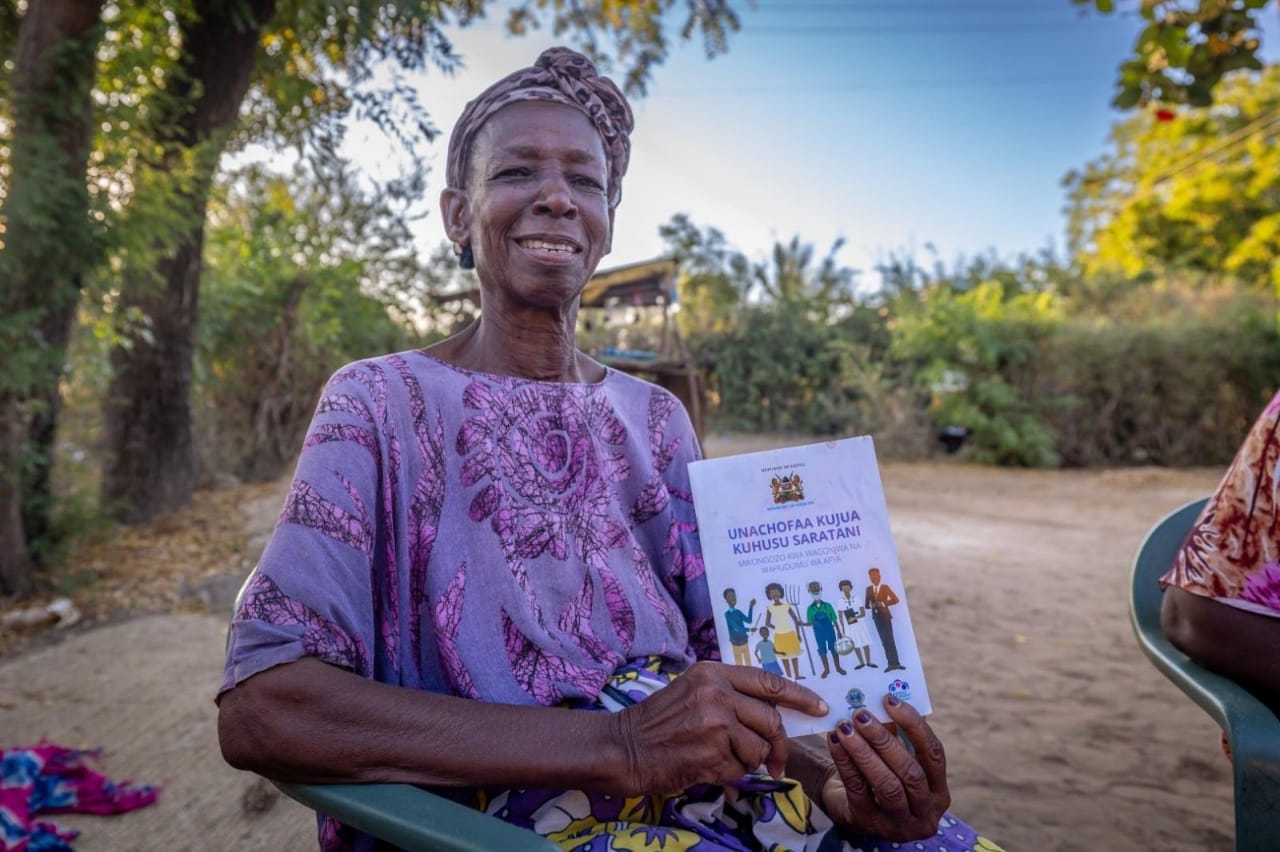
Kenya has rolled out a five-year National Cervical Cancer Elimination Action Plan aimed at safeguarding girls and women from cervical cancer, one of the leading causes of cancer-related deaths among women in the country.
The strategy aligns Kenya with the World Health Organisation’s (WHO) global 90-70-90 targets for 2030 to eliminate cervical cancer as a public health threat. Under the plan, Kenya aims to fully vaccinate 90 per cent of girls against the human papillomavirus (HPV), the primary cause of cervical cancer.
The plan also prioritises screening 70 per cent of women to enable early detection, while ensuring that 90 per cent of those diagnosed with pre-cancerous lesions receive timely and effective treatment.
Health experts note that meeting these targets could substantially reduce cervical cancer cases and deaths, particularly in low- and middle-income countries where access to prevention and treatment services has been limited.
The World Health Organisation has welcomed Kenya’s commitment, emphasising that cervical cancer is among the most preventable and treatable cancers when detected early. WHO reaffirmed its readiness to support Kenya and other countries throughout the implementation of elimination strategies.
While cervical cancer remains a significant public health challenge across Africa, coordinated national action plans—backed by vaccination, screening, and treatment—are expected to save thousands of lives in the coming years.
Kenya’s initiative represents a major milestone in advancing women’s health and strengthening national efforts in cancer prevention and control.