

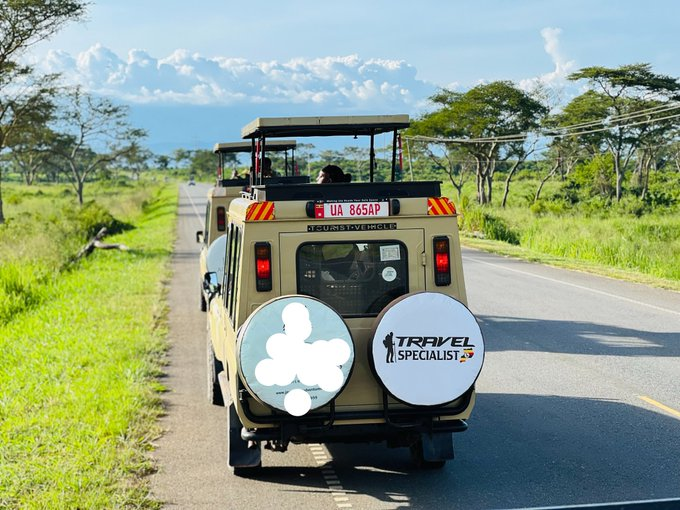
Kampala, Uganda — Concern is mounting within Uganda’s tourism sector over declining wildlife sightings in Queen Elizabeth National Park, even as authorities pledge renewed conservation efforts to address the trend.
Tour operators and guides have raised alarm about what they describe as a noticeable drop in animal encounters in one of Uganda’s flagship destinations, famous for its tree-climbing lions, elephants, and boat cruises along the Kazinga Channel.
A Ugandan tourism specialist, posting on X (formerly Twitter), warned of an “alarming reduction in wildlife numbers,” adding that if urgent action is not taken, the country could face “a serious conservation and tourism challenge.”
Industry observers say lion populations in the park have declined significantly in recent years, with estimates suggesting numbers have dropped by over 40 percent to between 39 and 52 individuals, largely due to poisoning, snares, and human-wildlife conflict.
The same concerns were echoed online, where the tour operator linked the decline to changing livelihoods in surrounding communities.
“Wild predators like lions do not distinguish between wild prey and livestock — they simply hunt what is available,” the post noted, explaining that retaliatory poisoning by farmers after livestock attacks has contributed to the deaths of lions and other scavengers.
The situation is further compounded by environmental pressures, including invasive plant species and climate-related changes affecting habitats and prey availability.
However, conservation authorities have pushed back against alarmism, emphasizing that the park remains a top destination and that measures are underway to protect wildlife populations.
The Uganda Wildlife Authority has intensified anti-poaching operations, deploying additional rangers and equipment to curb illegal activities and improve monitoring within protected areas.
Officials are also expected to release updated wildlife data in a report scheduled for April 28, which could provide a clearer picture of population trends and inform future interventions.
Tourism stakeholders say while concerns are valid, the focus should be on strengthening collaboration between conservation agencies and local communities.
“There is an urgent need for stronger sensitization of local communities and stricter measures to prevent such incidents,” the tourism specialist added, while also stressing that speaking out is meant to “protect what makes the park valuable.”
Despite the reported decline, industry players maintain that Queen Elizabeth National Park continues to offer world-class experiences, including scenic landscapes and one of the region’s most renowned boat cruises.
The unfolding debate highlights the delicate balance between conservation, community livelihoods, and tourism growth — a challenge that remains central to Uganda’s broader environmental and economic agenda.