

KAMPALA — Uganda’s proposed Protection of Sovereignty Bill, 2026 is drawing growing scrutiny from analysts and lawmakers, with concerns emerging over its potential impact on citizens, particularly those in the diaspora and individuals receiving foreign funding.
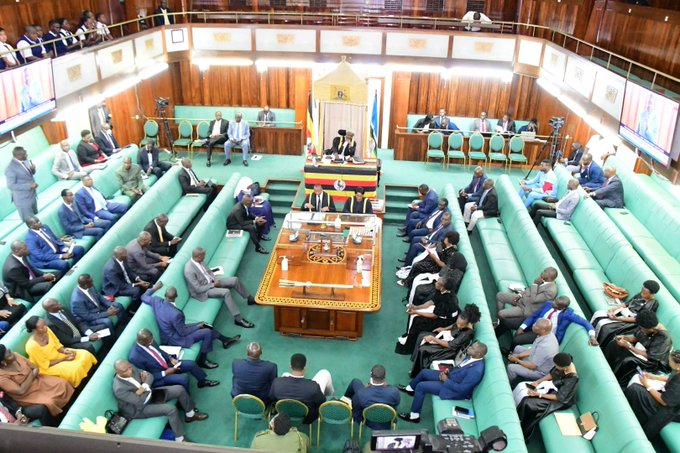
The Bill, tabled in Parliament by Internal Affairs Minister David Muhoozi and read for the first time by Speaker Anita Annet Among, has since been referred to the Committee on Defence and Internal Affairs and the Committee on Legal and Parliamentary Affairs for scrutiny.
“The Protection of Sovereignty Bill, 2026 is hereby read for the first time and referred to the relevant committees for processing,” Among ruled.
Concerns over sweeping provisions
Journalist Charles Onyango-Obbo warned that the Bill introduces unusually broad definitions that could significantly alter how citizenship and foreign influence are treated under Ugandan law.
“Uganda’s proposed Sovereignty Bill is the only law in the world openly attempting something this sweeping: it legally turns its own citizens abroad into ‘foreigners’,” Onyango-Obbo wrote.
He pointed to provisions that classify “Ugandan citizens residing abroad” as foreigners, raising questions about how diaspora remittances and relationships could be regulated.
“That single clause redraws the boundary of citizenship. It means diaspora money, relationships, and even family support can fall under foreign control rules,” he said.
Impact on everyday transactions
Onyango-Obbo argued that the implications could extend to ordinary Ugandans receiving financial support from relatives abroad.
“A mother in Mbale receiving school fees from her son in London… a boda boda rider in Gulu financed by a brother in Dubai… all could, in theory, fall under foreign influence rules,” he noted.
He also raised concern about provisions defining “agents of a foreigner” as anyone directly or indirectly financed by foreign sources.
“Not directed. Not controlled. Simply funded… a journalist, a researcher, an NGO worker… all can be classified as ‘agents’,” he said.
Funding caps and economic speech
The analyst further cited Clause 22, which proposes a cap on foreign funding beyond which ministerial approval would be required.
“A private hospital built with diaspora investment… a school supported by an international foundation… could fall under these limits,” he said.
He also highlighted Clause 13, which creates the offence of economic sabotage.
“A newspaper reporting a currency slide… an analyst warning about debt stress… even if accurate, such reporting could fall foul of the law,” Onyango-Obbo warned.
Parliament urges due process
Meanwhile, lawmakers have called for careful handling of the Bill.
Theodore Ssekikubo raised procedural concerns during the Bill’s introduction, cautioning against rushing the process.
“Members should receive copies of the Bill and process it in the normal way given its implications for Ugandans,” Ssekikubo said.
“We must not appear to be treating this Bill differently or rushing it through Parliament.”
He stressed the importance of transparency and adherence to parliamentary rules.
“The House must follow its rules and uphold its record by ensuring the proper documents are laid before Members,” he added.
Debate expected to intensify
The Bill is still at an early stage and may undergo changes during committee review. However, early reactions suggest it could trigger intense debate over sovereignty, national security, and civil liberties.
Analysts say its final shape will determine whether it strengthens regulatory oversight or raises new concerns about economic activity, media freedom, and the role of Uganda’s diaspora.