

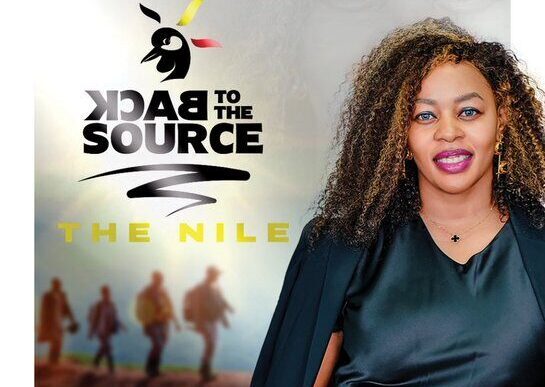
KAMPALA — Kampala will light up with culture, cinema and national pride Saturday evening as Uganda rolls out the red carpet for the long-awaited home premiere of Back to the Source – The Nile, a deeply personal and visually striking documentary by Ugandan diplomat Judyth Nsababera.
Hosted at the elegant Mestil Hotel & Residences, the premiere will be more than a film screening—it will be a cinematic homecoming, a cultural statement, and an intimate unveiling of Uganda’s story through the lens of one woman’s journey along the legendary River Nile.
“Uganda does not need to be explained. It needs to be experienced,” Nsababera said ahead of the premiere, setting the tone for a film that blends personal courage with national identity.
The documentary, which first premiered in Guangzhou, China in December 2025, follows Nsababera as she confronts her own fear of water while tracing the Nile from its source—transforming what begins as a physical journey into a powerful exploration of heritage, resilience, and belonging.
Described by Uganda’s Ministry of Foreign Affairs as “a distinguished and compelling masterpiece,” the film is already being hailed as a bold reimagining of how Uganda tells its story to the world.
“It transcends conventional cinema… presenting Uganda not merely as a destination, but as a land of narratives, enterprise, and opportunity,” the ministry noted.
Behind the lens is award-winning director Derrick Ssenyonyi, whose storytelling roots stretch back to childhood curiosity about tourists passing through his hometown.
“This film is the answer to all those questions… I can’t wait for the world to watch it,” Ssenyonyi said, reflecting on the journey that brought the project to life.
The premiere will draw a mix of diplomats, creatives, investors, and cultural leaders, many fresh from the Uganda–China Coffee, Investment and Destination Conference held earlier at the same venue—underscoring the growing intersection between storytelling, tourism, and economic diplomacy.
At its core, Back to the Source is not just about the Nile—it is about Uganda itself: raw, layered, and unapologetically authentic.
As Nsababera put it, the film is “a testament to courage and endurance,” one that invites audiences to see Uganda not through statistics or stereotypes, but through lived experience.
With public screenings expected to be announced soon, the film is poised to spark conversation far beyond Kampala—offering a rare blend of vulnerability, beauty, and national pride.
For one night, though, it will belong to home.