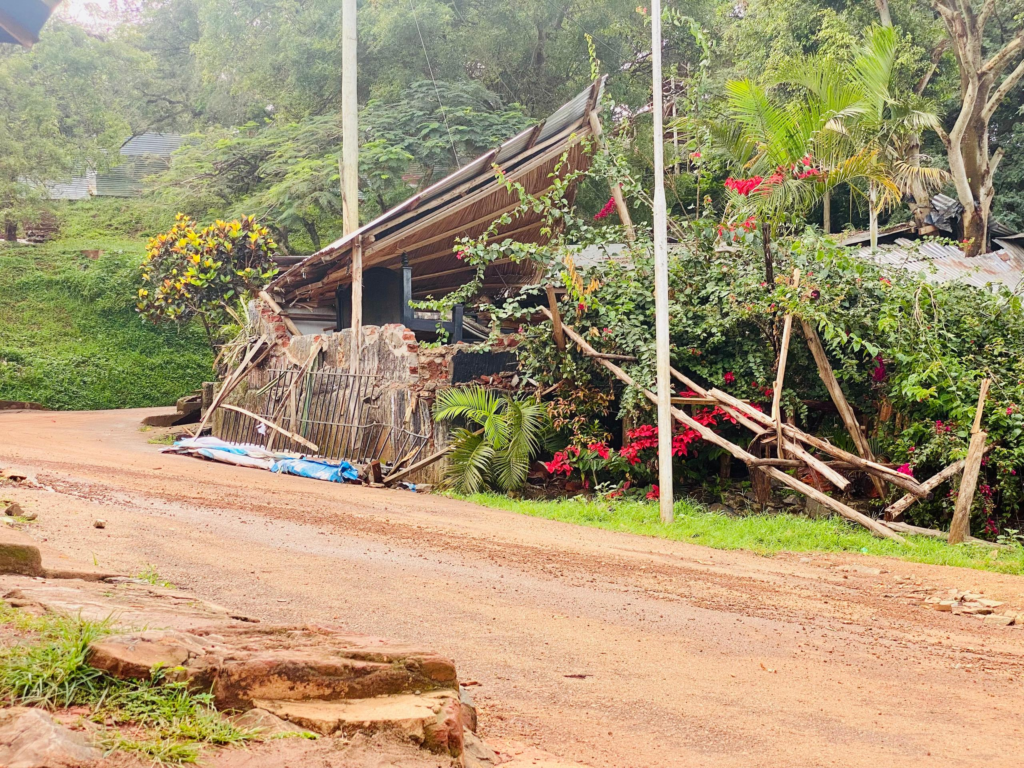

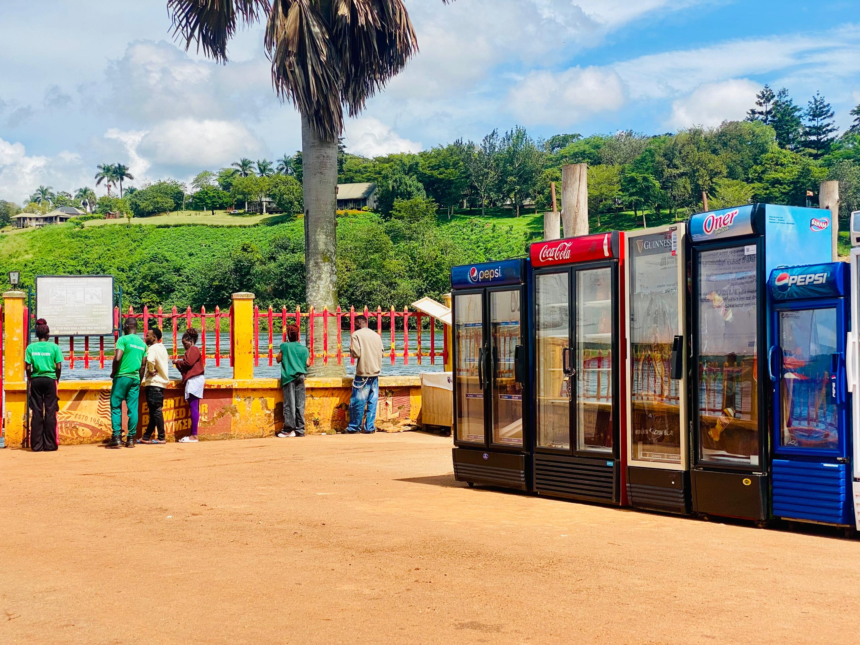
Jinja, Eastern Uganda — The Source of the Nile, once one of Uganda’s most vibrant tourism hubs, has been abruptly cleared of its long-standing business community following disputed evictions, raising serious concerns about due process, compensation, and the treatment of local investors.
In a matter of weeks, the area—previously known for its craft markets, boat rides, restaurants, and cultural activity—has fallen silent, with former operators now describing it as a “ghost town.”
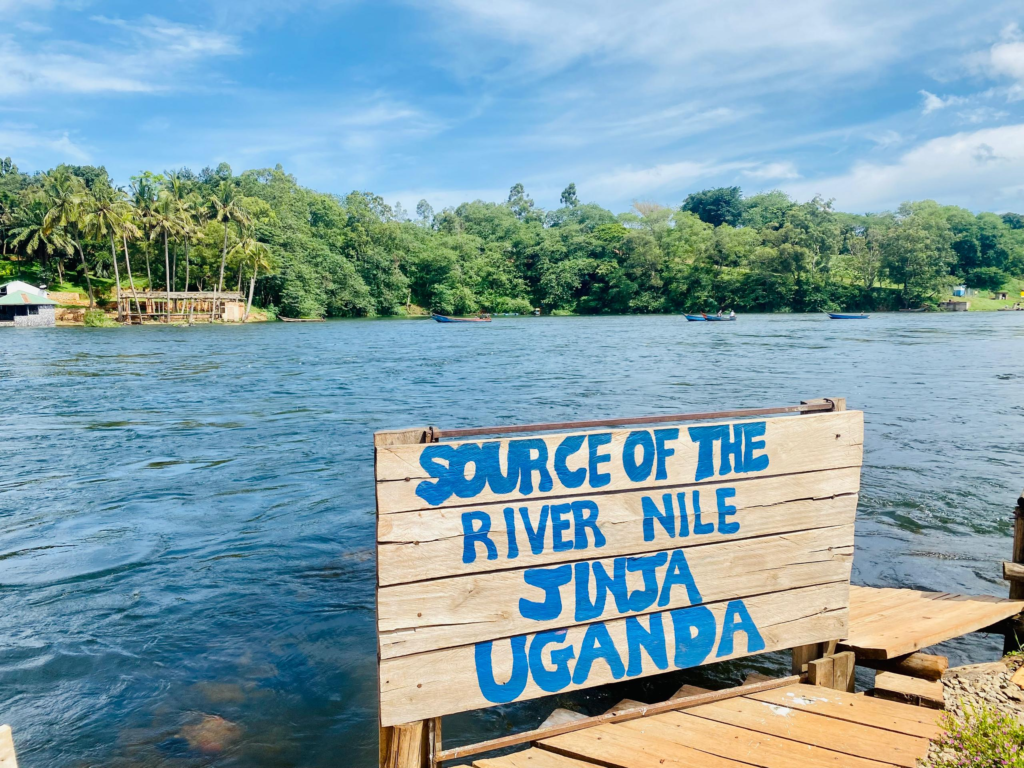
At the centre of the dispute is Agatha Rukeribuga, Chief Executive Officer of Ripon Falls Leisure Resort, who has been involved at the site since the 1990s.
“We built this place from nothing. When I came here, it was bush and abandoned. Today, we are being pushed out without explanation,” she said.
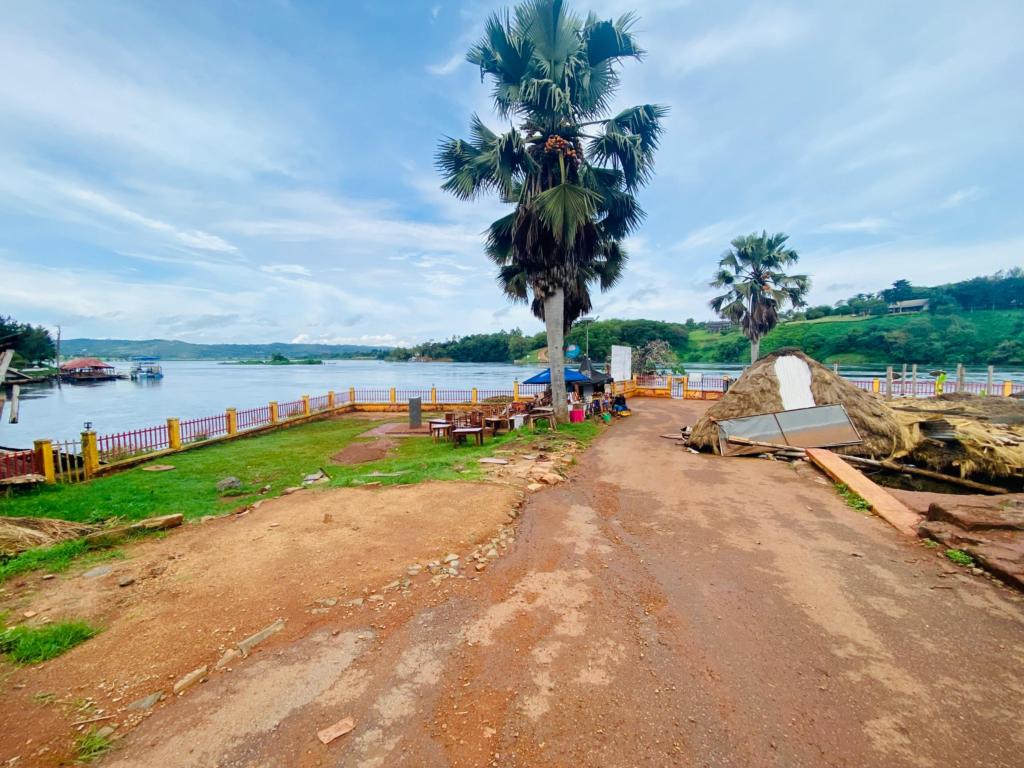
According to documents and interviews with Rukeribuga and her son, development at the Source of the Nile began in the mid-1990s when the area lacked basic tourist services.
After initial resistance due to security concerns, she obtained approval from municipal authorities and invested in infrastructure, including water and electricity connections, sanitation facilities, and operational spaces.
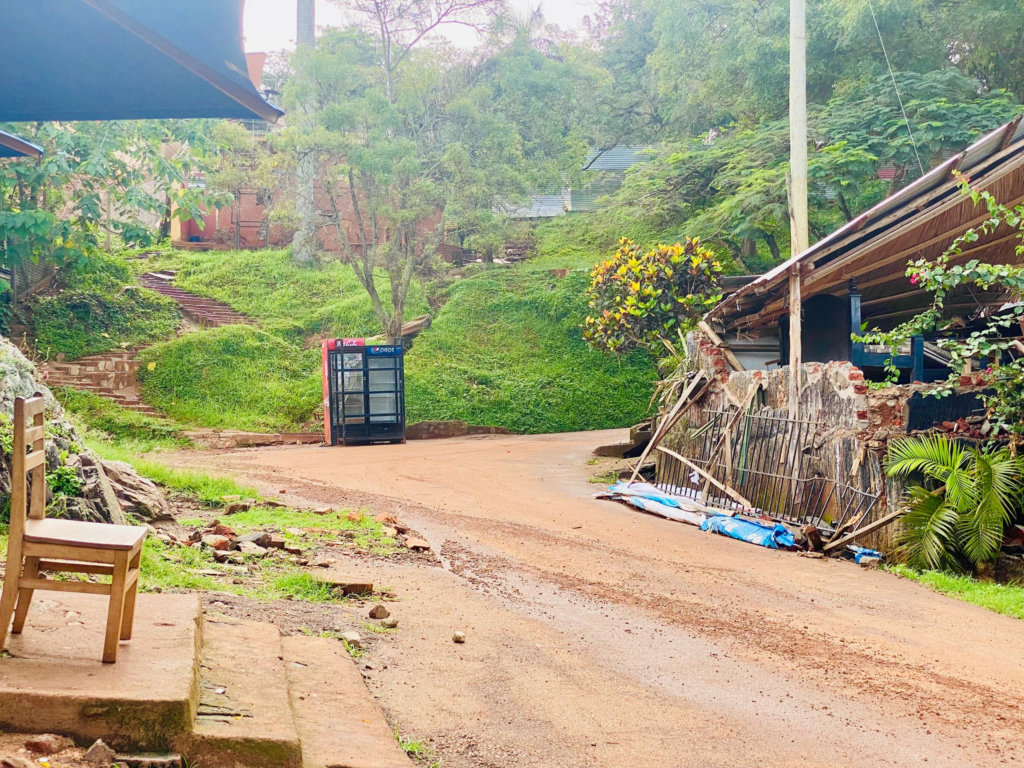
“I tarmacked that road, I extended water and electricity to this place. I even built the gate and those structures the town council collects entry fees from,” she stated. “I made this place what it is today.”
With support from private partners such as Uganda Breweries Limited, the site grew into a thriving tourism ecosystem supporting approximately 300 people, including vendors, tour guides, boat operators, and photographers, many of whom later organised under the Source of the Nile Business Community SACCO.
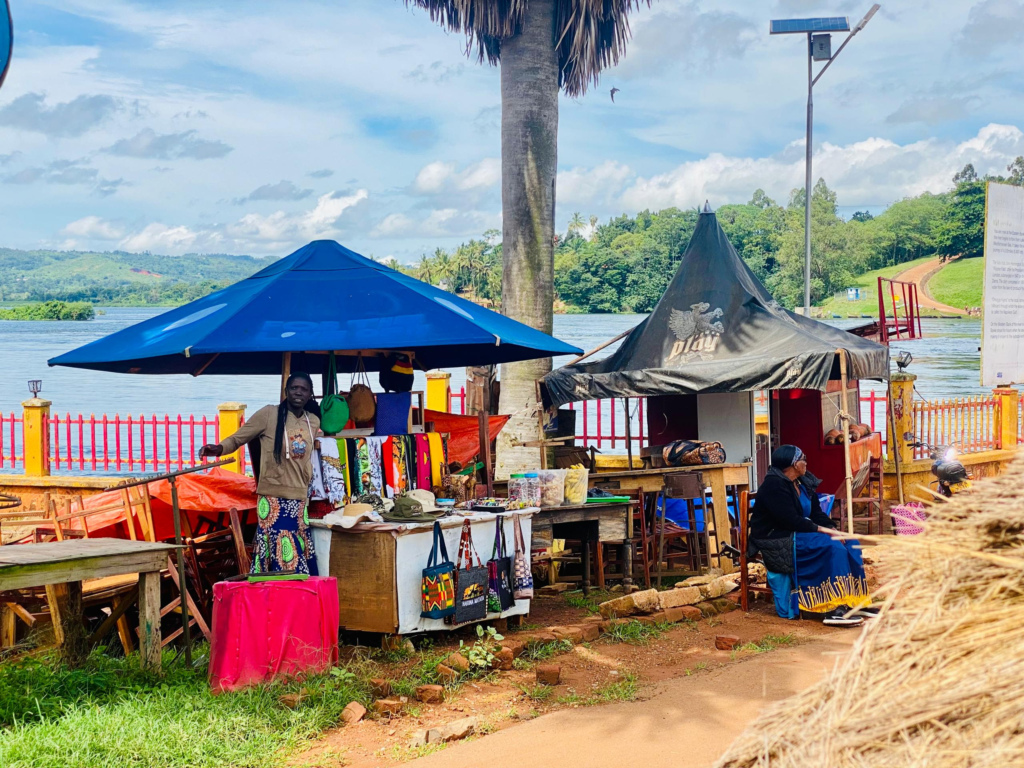
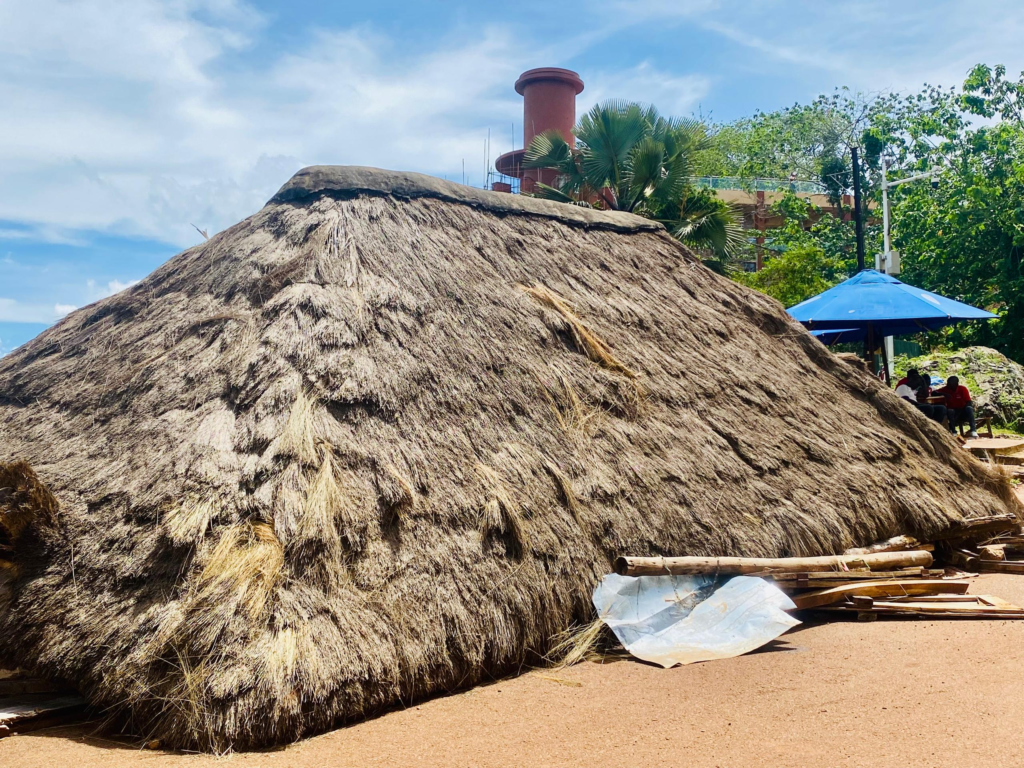
On April 1, 2026, Jinja City Town Clerk Godfrey Kisekka issued a final notice requiring occupants to vacate the site, and on April 2, enforcement teams demolished structures. Affected operators say the process lacked transparency and adequate notice.
“They came and broke everything. There was no proper warning,” said Rukeribuga’s son. “This place used to be so busy you could barely walk through. Now it is empty.”
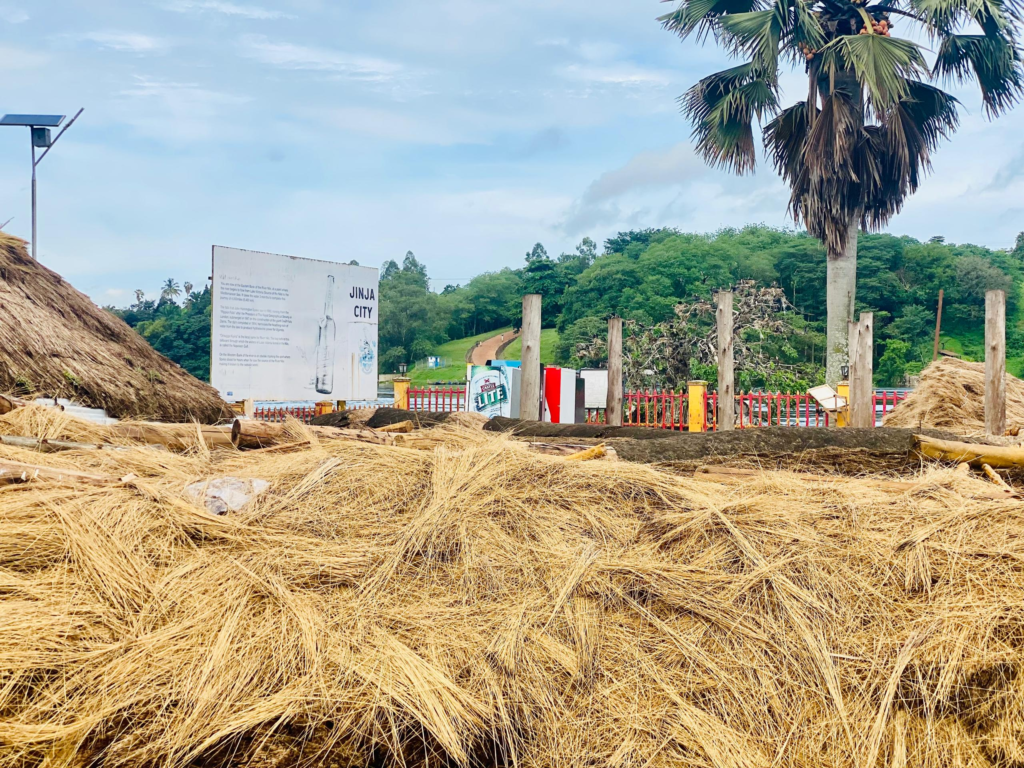
He added that businesses have lost international clients, including visitors from Europe and the United States.
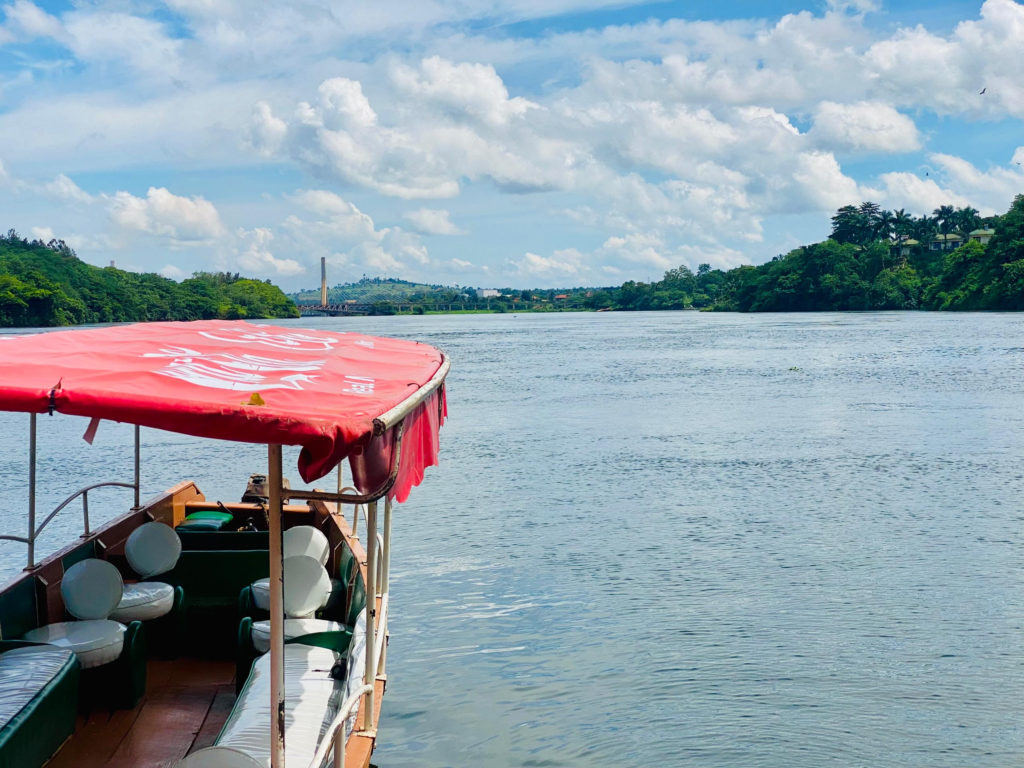
The evictions coincide with a government-led redevelopment project aimed at transforming the Source of the Nile into a world-class tourism destination, with plans reportedly including modern infrastructure such as a pier, viewing platforms, hotels, and recreational facilities.
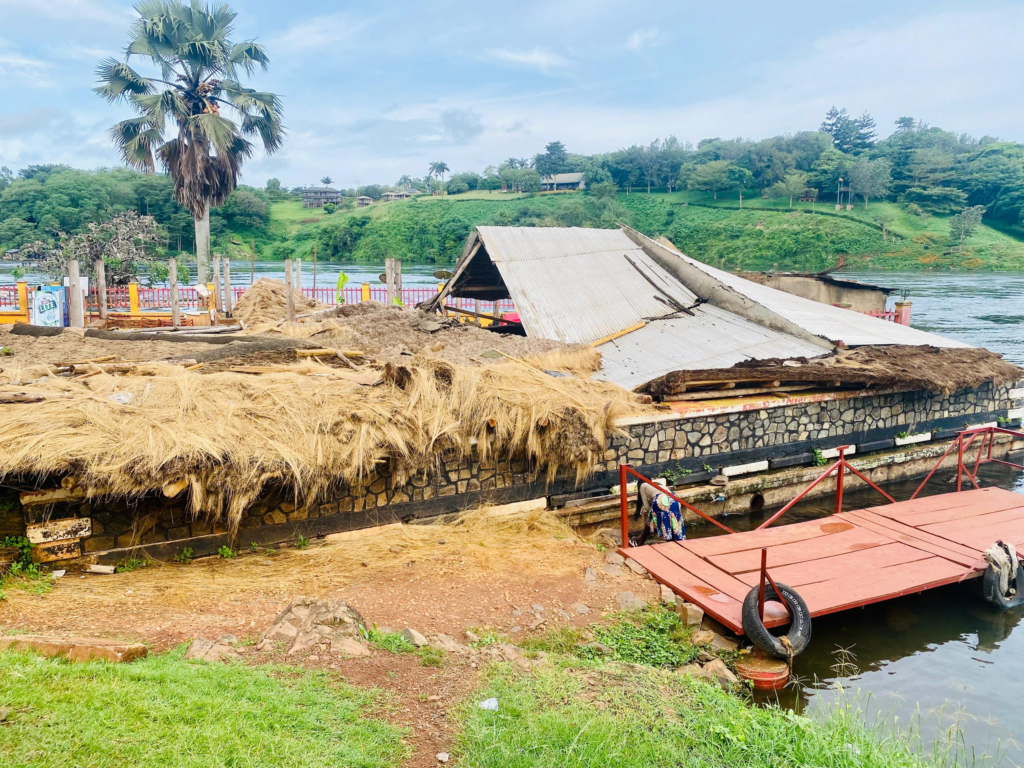
While the business community initially supported the project, they say assurances of temporary relocation and reintegration have not been honoured.
“We were told we would relocate and return. What is happening now is completely different,” Rukeribuga’s son said.
Documents reviewed indicate that earlier communication emphasised relocation rather than permanent removal.
The situation raises several key issues, including potential lack of due process, as operators claim they were not given adequate notice or an opportunity to be heard before eviction; contractual ambiguity, as Rukeribuga continued operating, paying taxes, and receiving trading licenses even after her formal agreement expired, suggesting possible legitimate expectation; and concerns around the absence of compensation or a clear resettlement plan despite the scale of the redevelopment project.

Affected operators also point to a disconnect between earlier ministry-level assurances of inclusion and local enforcement actions. Some have further raised concerns about selective enforcement, alleging that certain structures were left intact while others were demolished.
At the heart of the dispute are allegations that the increasing value of the site may be driving the displacement. “This place has become too valuable. We feel we are being removed to make way for others,” Rukeribuga’s son said.
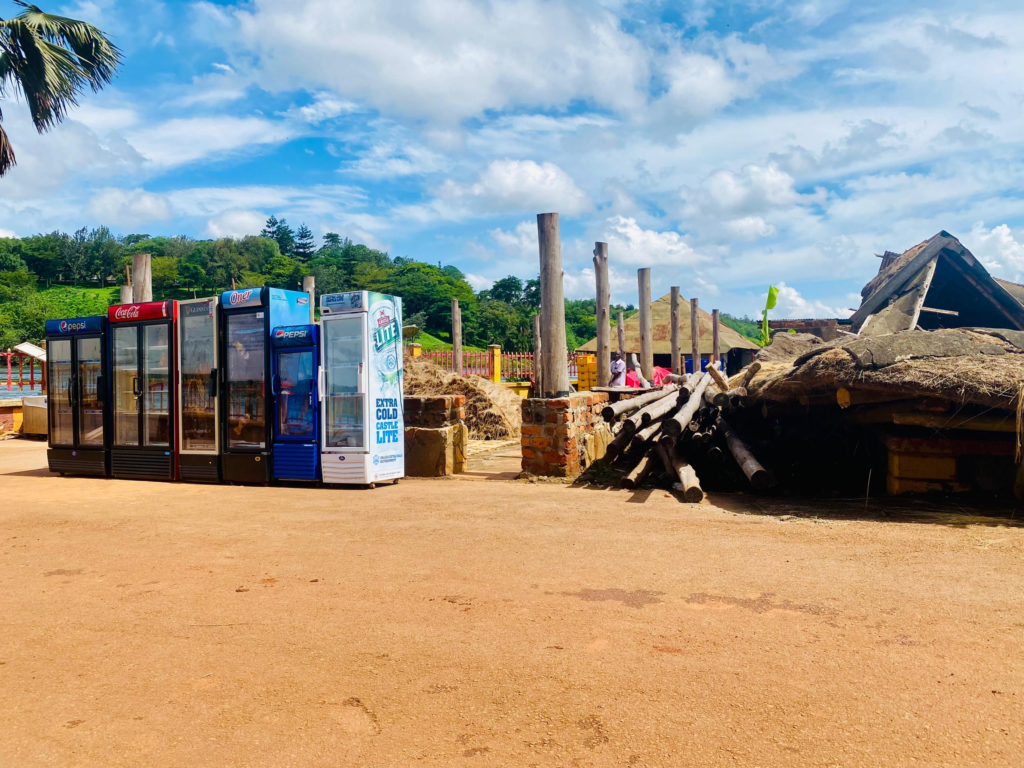
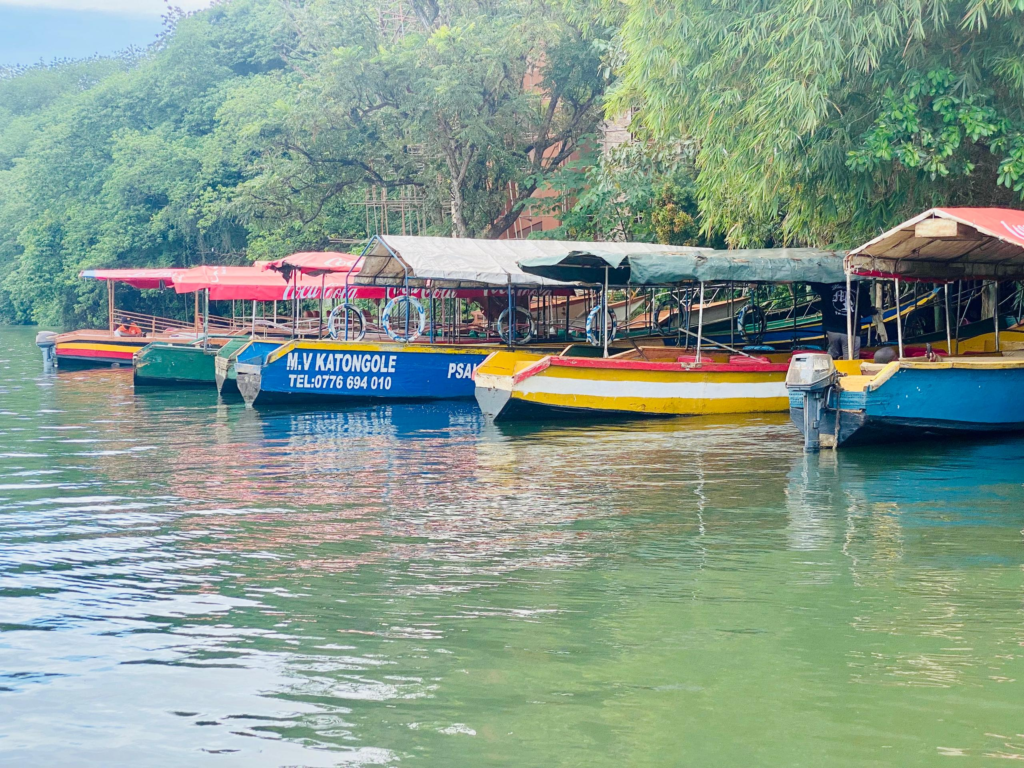
The impact has been widespread, with over 300 people who depended on the site for their livelihoods now displaced. Former operators report a near-total loss of income, with boats idle and craft stalls abandoned.
“We used to earn a living here. Now there is nothing,” said one boat operator, while another vendor described being unable to support her children after losing her business.
The affected community is now calling for an independent review of the eviction process, clarification from relevant authorities, and consideration of compensation or reintegration measures.
For Rukeribuga, the issue remains deeply personal: “If development is coming, we should be part of it—not excluded after everything we contributed.”
Efforts to obtain official comment from Jinja City Council and the Ministry of Tourism were unsuccessful by press time.
As redevelopment continues, the future of the original business community at the Source of the Nile remains uncertain—caught between national development ambitions and unresolved concerns about fairness and inclusion.