

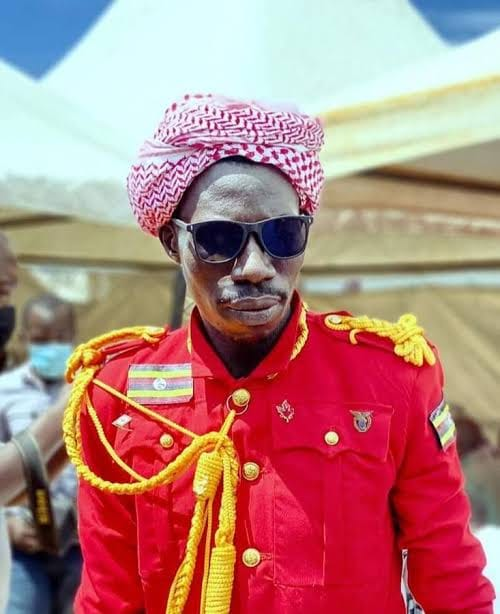
Kampala, Uganda — Nine supporters of the National Unity Platform, including prominent activist Yasin Ssekitoleko, have been released after spending nearly six years in detention without their cases being fully heard.
The group regained their freedom on Friday after a military court referred them to the Amnesty Commission, which granted them amnesty certificates, paving the way for their release.
The other released supporters include Kalanzi Sharif, Kintu Abdallah, Gibusiwa Abdukarim, Musa Kavuma, Joseph Muwonge, Jimmy Galukande and Patrick Mwase, among others. They were arrested during the politically charged 2020–2021 election period over alleged offences connected to opposition mobilisation and campaign activities.
Their prolonged detention became one of the most cited cases by opposition leaders and human rights organisations, which argued that the suspects had been denied their constitutional right to a timely and fair trial.
Reacting to the release, NUP welcomed the freedom of its supporters but criticised the circumstances that led to their years in detention. The party described the case as an example of what it called the misuse of the criminal justice system against political opponents.
NUP also appealed for the safety of the released activists, expressing hope that they would not be subjected to any further restrictions after leaving detention.
Supporters, relatives and party officials gathered at the party’s headquarters in Makerere Kavule to receive the former detainees. The reunion was marked by emotional embraces as the men reunited with their families and colleagues after years behind bars.
The release is expected to reignite debate over the prosecution of civilians in military courts and the use of prolonged pretrial detention in politically sensitive cases. Human rights advocates have consistently called for reforms to ensure that criminal proceedings are concluded within a reasonable time and in accordance with constitutional safeguards.
While the nine men have finally regained their freedom, their case is likely to remain a significant reference point in Uganda’s ongoing discussions about justice, human rights and political freedoms.