

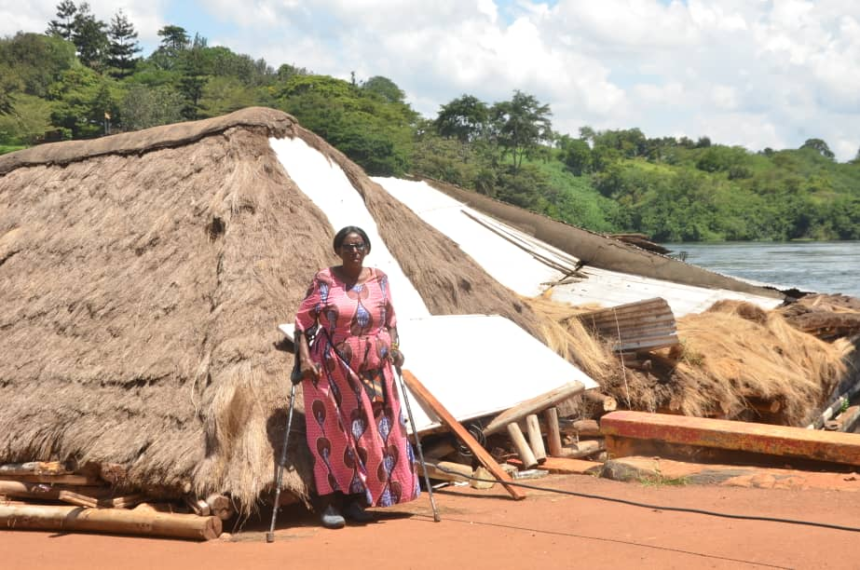
Rippon Falls, Jinja City — At the edge of the great river where the Nile begins its long journey north, Source of the Nile was once alive with laughter, music, and the hum of business. Today, it is quiet.
For Agatha Rukeribuga, pioneer developer and chief executive officer of Ripon Falls Leisure Resort, the silence is more than just the absence of tourists—it is the erasure of a life’s work.
She left Kisoro in South Western Uganda for Kampala in 1969 before settling in Jinja (Eastern Uganda) — at the Source of the Nile.
“We built this place from nothing,” she says quietly. “When I came here, it was bush and abandoned. Today, we are being pushed out without explanation.”
“I made this place what it is”
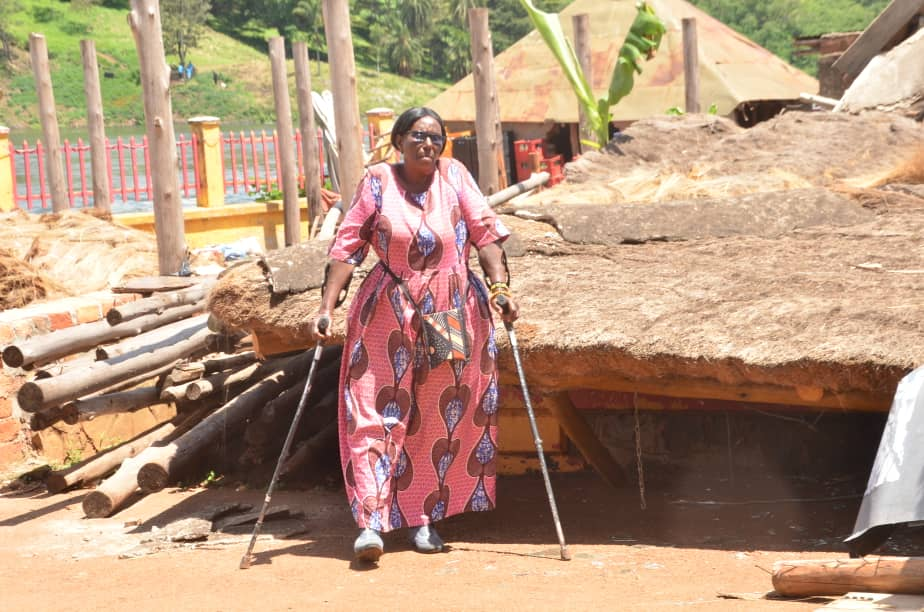
Rukeribuga traces her journey back to the mid-1990s, when few investors were willing to take the risk of developing tourism infrastructure in Jinja.
“There was nothing here. No water, no electricity, no proper road,” she recalls. “I brought all that. I tarmacked that road, I extended water and electricity. I even built the gate where they now collect entry fees.”
Her investment helped transform the Source of the Nile into one of Uganda’s most iconic tourism hubs—home to craft markets, boat cruises, cultural performances, and restaurants.
The site grew into a major livelihood centre supporting hundreds of people, from vendors to tour guides, many organised under local associations and SACCOs.
“This place was so busy you could barely walk,” she says. “Tourists came from Europe, from America. People earned a living. Families survived here.”
The eviction
That changed in April 2026.
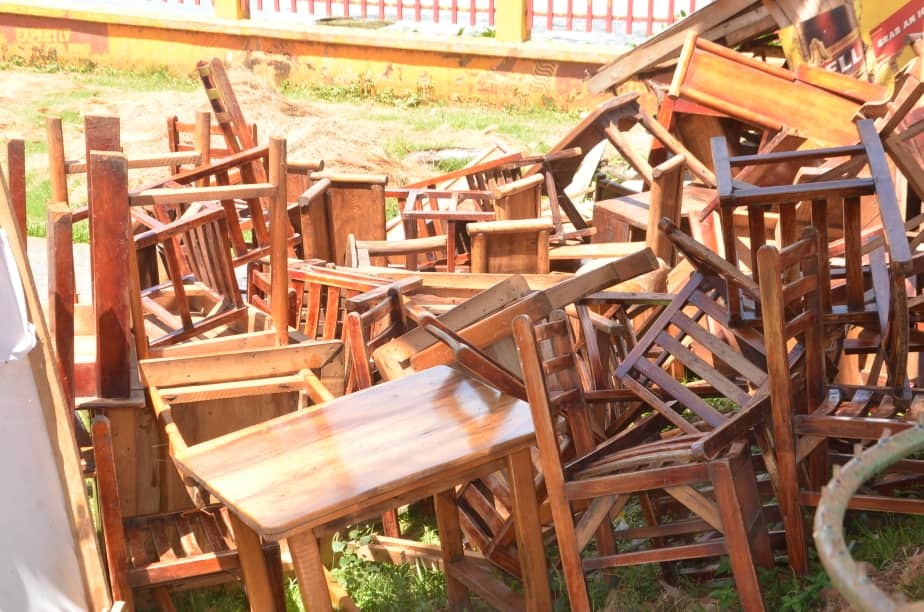
A notice issued by Jinja City authorities ordered all occupants to vacate. Within days, enforcement teams moved in.
“They came and broke everything,” Rukeribuga says. “There was no proper warning. No dialogue. Just destruction.”
Her voice tightens as she remembers the moment.
“The most painful memory is watching what you built for over 30 years come down in hours. You stand there helpless.”
The operators were evicted as part of a government-led redevelopment plan to modernise the site into a world-class tourism destination.
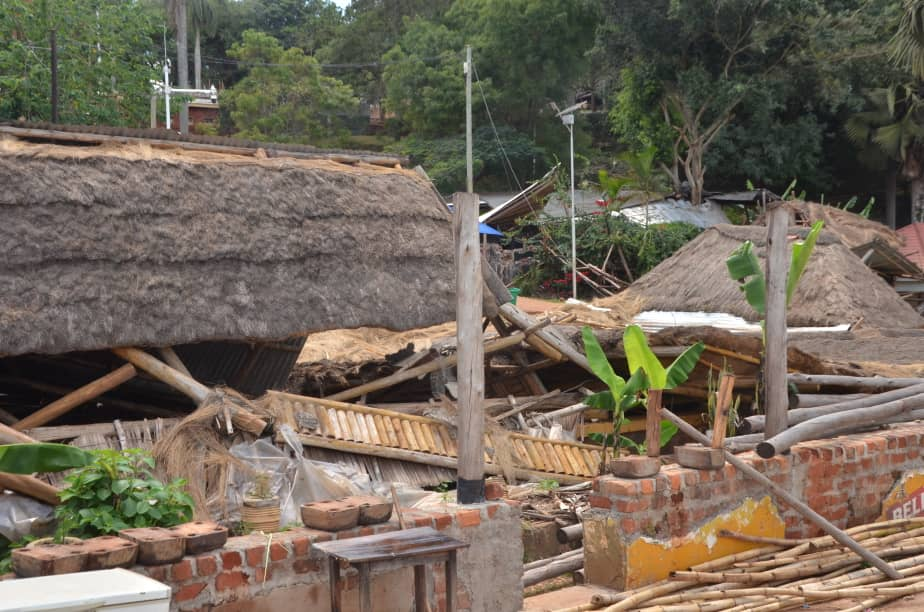
Authorities say the project will include improved infrastructure such as viewing decks, hotels, and recreational facilities. But for those who were already there, the transition has been anything but smooth.
“We were told we would return”
Rukeribuga insists that the business community was not opposed to development.
“We supported it. We were told we would relocate and come back,” she says. “What is happening now is not what we agreed.”
Documents and testimonies from affected operators suggest that earlier communication pointed to temporary relocation—not permanent displacement.
Now, many feel excluded.
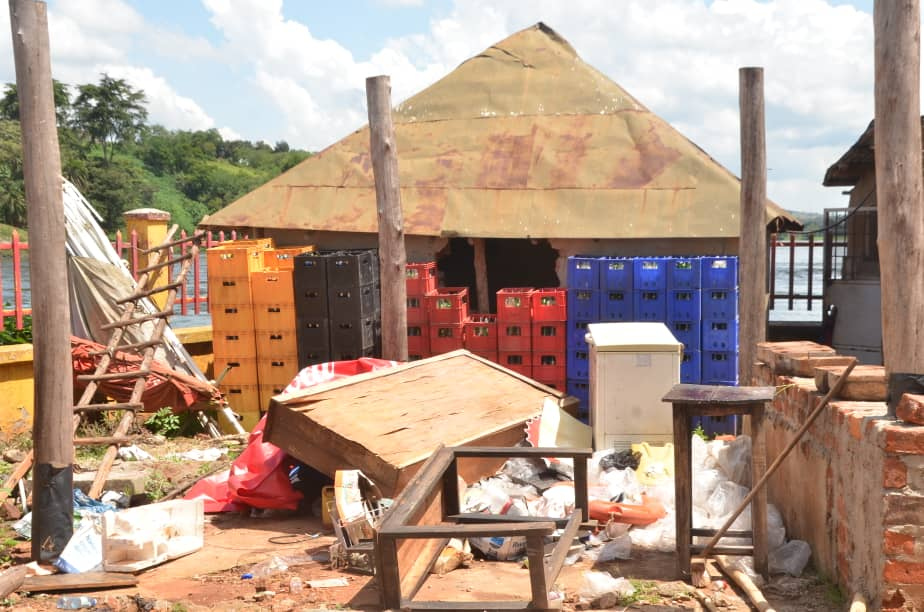
“If development is coming, we should be part of it—not removed like we never existed.”
Livelihoods lost
The impact has rippled far beyond one investor.
More than 300 people who depended on the site have lost their income. Boats that once ferried tourists now sit idle. Craft stalls stand empty.
“People used to feed their families from here,” Rukeribuga says. “Now there is nothing.”
She pauses, looking out over the quiet riverfront.
“This place gave dignity to so many people. That is what hurts the most.”
A question of fairness
At the heart of the dispute are unresolved questions—about due process, compensation, and the rights of long-term investors.
Rukeribuga says she continued operating with licenses and paying taxes over the years, even after earlier agreements expired.
“We were not illegal. We were recognised. We were part of this place.”
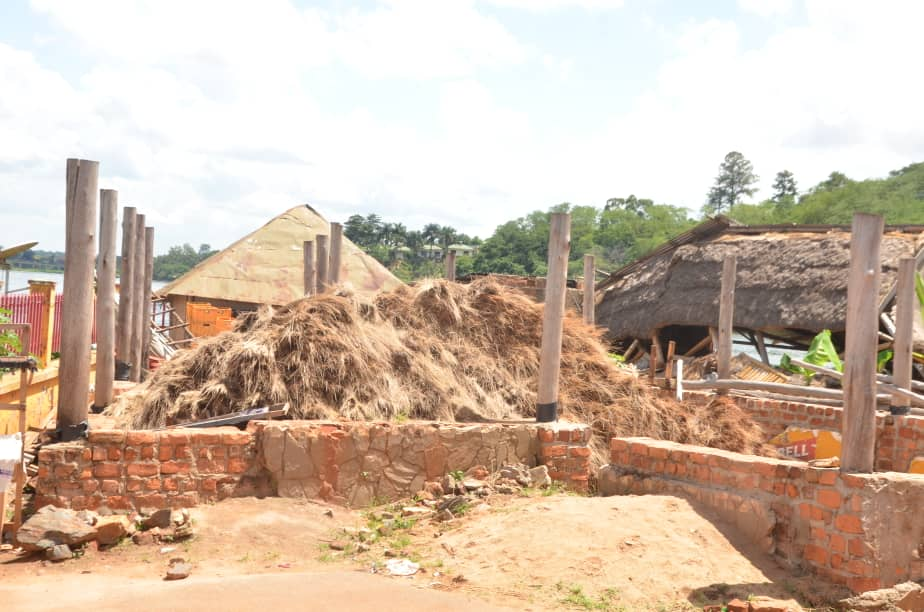
Some operators have also raised concerns about selective enforcement and lack of transparency in how the evictions were carried out.
“I could not imagine it ending like this”
For Rukeribuga, the struggle is not just legal or economic—it is deeply personal. “I gave my life to this place,” she says. “I could not imagine it ending like this.”
Yet even in loss, she speaks of hope. “All we are asking is fairness. Let us be heard. Let us be part of what comes next.”
As redevelopment plans move forward, the future of the original business community at the Source of the Nile remains uncertain.
But for Rukeribuga, one thing is clear: “Time may pass, but people should not forget who built this place.”