

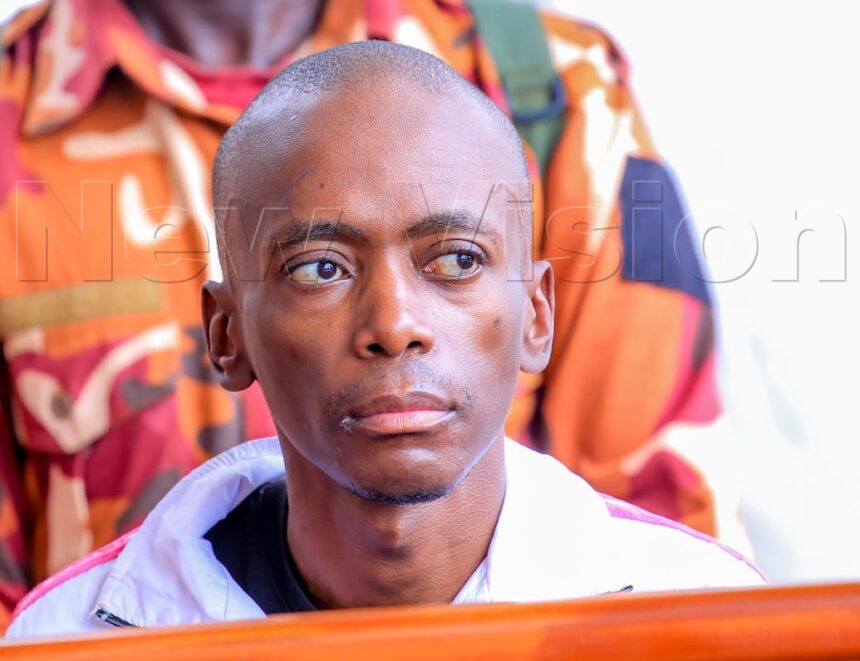
The High Court sitting at Ggaba Community Church on Thursday adjourned the high-profile murder trial of Christopher Onyum Okello following testimony from a police surgeon linking the accused to alleged ritual motives.
Okello, 38, is facing four counts of murder after he allegedly stabbed four toddlers to death at a daycare centre in Ggaba on April 2, 2026, in a case that has shocked the nation.
During the proceedings, police surgeon Dr Emmanuel Nuwamanya told court that the accused reportedly admitted to committing the killings in pursuit of wealth.
According to his testimony, Okello “explained his alleged actions as being driven by fortune hunting and enrichment,” drawing inspiration from childhood folktales about human sacrifice.
However, Dr. Nuwamanya noted that while the account raised concerns about possible mental health issues, medical examinations did not conclusively establish any clear mental illness.
The trial, being conducted through a mobile court set up near the crime scene, is part of an unprecedented effort to bring justice closer to the affected community following directives by President Yoweri Kaguta Museveni to fast-track the case.
Despite the public interest surrounding the case, Thursday’s session recorded a relatively low turnout of residents, according to local media reports. Proceedings were interrupted by heavy rainfall, forcing court to adjourn the hearing to Monday.
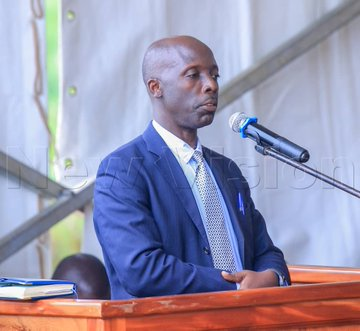
The prosecution has presented multiple pieces of evidence against the accused, including alleged confessions, CCTV footage, and forensic findings. Investigators say Okello had planned the attack in advance, posing as a parent seeking to enroll a child before turning on the toddlers.
Earlier testimonies from witnesses described a chaotic and traumatic scene at the daycare, with caregivers attempting to intervene as the attacker targeted the children.
The killings, involving children aged between one and four years, have sparked widespread public outrage and renewed debate on security at early childhood centres, as well as concerns about ritual-related crimes.
The case has also attracted legal controversy. The Uganda Law Society has challenged the legality of conducting the trial in a public setting, arguing that the mobile court could undermine the accused’s right to a fair hearing.
Prosecutors maintain that the evidence points to a deliberate and premeditated act, while the defence is expected to further interrogate the accused’s mental state as hearings continue.
If convicted, Okello faces the death penalty under Uganda’s laws governing capital offences.
The trial resumes Monday as the court continues to hear testimony in one of the country’s most disturbing recent criminal cases.