

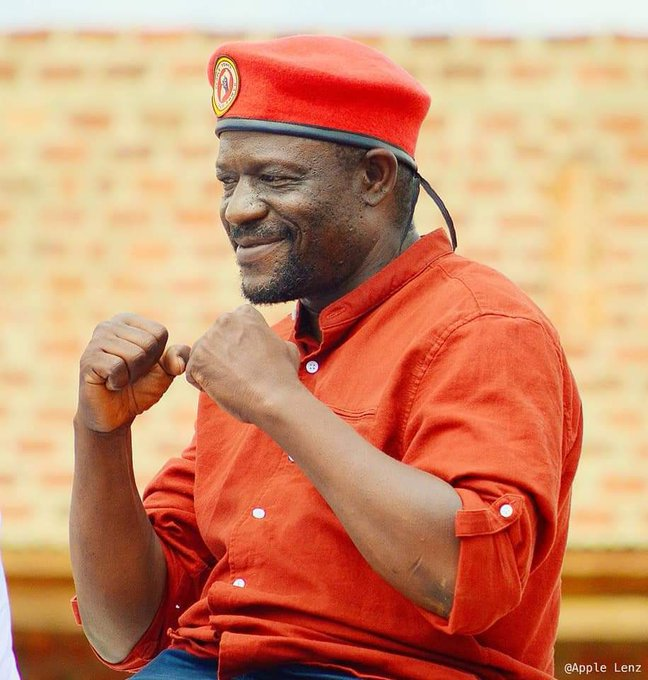
KAMPALA, Uganda — Uganda’s opposition politics returned to the spotlight this week after the state named Fred Nyanzi Ssentamu, a senior figure in the National Unity Platform (NUP), as a key prosecution witness in an ongoing case involving alleged unlawful military drills.
The case, being heard at the Kanyanya Magistrates Court, involves more than 20 NUP leaders and supporters accused of participating in unauthorised military-style training activities.
Bail denied, hearing adjourned
According to court proceedings and previous reporting, several of the accused—among them prominent NUP supporters such as Edward Ssebufu and others—have repeatedly been denied bail as the state continues to build its case.
The trial has faced delays in the past, with the court previously cautioning prosecutors against repeatedly amending charge sheets, noting that such changes were slowing the start of substantive hearings.
The matter has now been adjourned to mid-May 2026, when the prosecution is expected to formally present witnesses, including Nyanzi.
Background to the charges
The charges stem from incidents dating back to 2025, when a group of NUP supporters was arrested following the circulation of videos showing individuals conducting what authorities described as military-style drills.
Prosecutors allege that the accused participated in organised training sessions without authorisation—activities that fall under offences designed to prevent unlawful paramilitary activity.
The case has been widely interpreted within the broader context of political tensions ahead of Uganda’s electoral cycle, with opposition figures arguing that such charges are increasingly being used against political mobilisation structures.
Spotlight on Fred Nyanzi
Nyanzi, a longtime mobilisation figure within NUP and brother to party leader Robert Kyagulanyi, has previously been at the centre of controversy.
He was arrested in 2025 under unclear circumstances before later being released, an incident he said involved detention by security operatives.
His current role as a state witness has triggered debate among political observers and supporters alike, given his past position within the opposition movement and his alleged proximity to the individuals facing charges.
Legal and political implications
Legal experts note that courts have the authority to summon any individual believed to have relevant information, regardless of political affiliation.
The development underscores the complex intersection of law and politics in Uganda, where cases involving opposition actors often draw intense public scrutiny.
As proceedings resume in May, attention will focus on the testimony of key witnesses and whether the prosecution can substantiate claims of organized unlawful drilling.
For now, the case remains a significant test of Uganda’s judicial process amid a politically sensitive environment.