
KABALE – Civil society organisations in Uganda’s Kigezi sub-region are calling on their Members of Parliament to involve them more directly in ongoing discussions surrounding the proposed Sovereignty Bill.
The appeal follows growing concern among non-governmental organisations that the legislative process is moving ahead without sufficient consultation, potentially sidelining key stakeholders whose operations could be affected by the law.
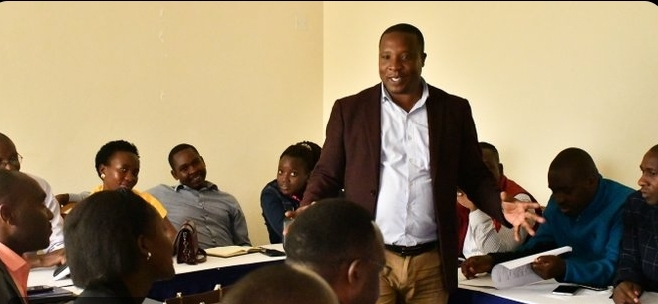
Speaking during a regional meeting in Kabale, civil society leaders said they support the broader goal of protecting national interests but warned against limited engagement in shaping the bill.
“We are not opposed to the principle of sovereignty,” a civil society coordinator said. “However, a law of this nature requires thorough consultation. MPs should return to their constituencies and engage stakeholders before taking a final position.”
The proposed bill is expected to introduce tighter oversight on foreign funding and stricter compliance requirements for NGOs. For many organisations in Kigezi—particularly those involved in health, education, and community development—such provisions could significantly impact how they operate.
Leaders from the sector cautioned that without clear dialogue, essential services in districts such as Kisoro and Kanungu could be disrupted, especially where programmes rely heavily on external funding.
“Civil society actors have practical experience and technical knowledge that can help refine this bill,” another participant noted. “Excluding them risks creating gaps or unintended consequences.”
While some MPs have previously indicated that consultations will take place as the bill advances, civil society groups argue that engagement should happen early in the process, not after key decisions have already been made.
Analysts say the concerns raised in Kigezi mirror a wider national debate on how to balance state authority with civic participation, particularly in laws that directly affect non-state actors.
For now, civil society organisations say they will continue advocating for structured dialogue, maintaining that inclusive policymaking is critical to developing laws that are effective, practical, and broadly accepted.