
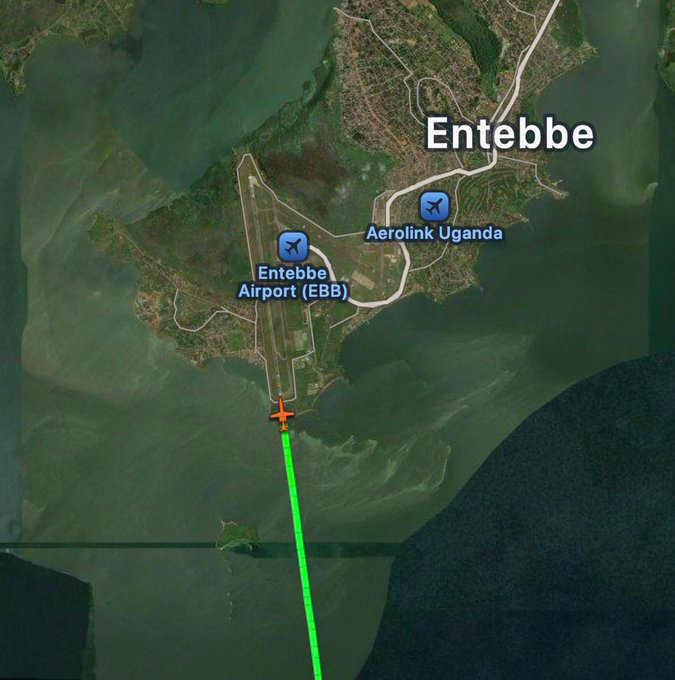
Kampala, Uganda — Uganda has received its first group of deportees from the United States under a controversial 2025 “Safe Third Country” agreement, marking a new phase in bilateral migration cooperation that has sparked both support and criticism.
The group consists of third-country nationals whose asylum applications in the U.S. were rejected. Under the agreement signed in July 2025, Uganda committed to selectively accept and process such individuals, with authorities indicating that priority would be given to African nationals, while excluding minors and individuals with criminal records.
In a statement released through the Government of Uganda, officials said the arrangement reflects Uganda’s long-standing commitment to humanitarian protection and international refugee law.
The Ministry of Foreign Affairs emphasized that all individuals transferred under the agreement would be treated with dignity and fairness, in line with global obligations.
Vincent Bagire Waiswa, Permanent Secretary at the Foreign Affairs Ministry, reiterated that Uganda remains committed to the principle of non-refoulement, which prohibits returning asylum seekers to countries where they may face persecution.
“Uganda will ensure dignity, safety, and fair consideration for all individuals under this arrangement,” he said.
The development comes as Uganda already hosts nearly two million refugees, making it one of the largest refugee-hosting countries in the world. The country has long been praised for its progressive refugee policies, including land allocation and freedom of movement.
However, analysts warn that the new arrangement could place additional strain on already stretched resources and services.
Reactions to the deal have been sharply divided.
Supporters argue that the agreement reflects shared global responsibility in managing migration and asylum pressures, particularly as wealthier nations seek partnerships with countries in the Global South.
Critics, however, have raised serious concerns over legality, transparency, and capacity.
The Uganda Law Society has questioned the legality of the agreement, describing it as “secretive” and warning that it could undermine constitutional protections and human rights standards.
Legal experts have also raised concerns about whether Uganda has adequate infrastructure and resources to fairly process additional asylum claims while maintaining its current refugee support systems.
Human rights advocates say the implementation of the agreement will be closely watched, particularly regarding how asylum claims are handled and whether international protections are upheld.
Uganda’s refugee model has often been cited as one of the most progressive globally. The Safe Third Country arrangement now presents a new test of that system—balancing international cooperation with domestic capacity and legal safeguards.
As more transfers are expected in the coming months, the government faces mounting pressure to provide transparency and ensure that humanitarian principles remain at the centre of the process.