

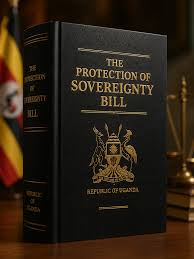
Opposition parties in Uganda have vowed to challenge the recently passed Protection of Sovereignty Bill in the Constitutional Court, setting the stage for a fresh political and legal battle over legislation critics say could undermine civil liberties.
The Bill, which was passed by Parliament following heated debate and several amendments, has been defended by the government as a necessary measure to shield Uganda from foreign interference in its political, economic, and governance systems.
However, opposition leaders and civil society organisations argue that the law contains vague and sweeping provisions that could be used to silence critics, journalists, activists, and organisations receiving foreign support.
Leaders from opposition parties accused the ruling National Resistance Movement of using its numerical strength in Parliament to push the legislation through despite concerns raised by legal experts, business leaders, and members of the public.
The law introduces penalties against individuals and organisations accused of engaging in activities deemed harmful to Uganda’s sovereignty or national interests.
Some of the earlier clauses had sparked public backlash after proposals appeared to classify Ugandans living abroad as foreigners under the law, though Parliament later revised the provision before passing the Bill.
Opposition lawmakers maintain that despite the amendments, the final legislation still violates constitutional freedoms, including rights to expression, association, and political participation.
They also argue that several provisions duplicate existing laws governing national security, financial crimes, and foreign influence.
Political analysts warn that resistance to the legislation could lead to a prolonged legal and political confrontation in the weeks ahead, particularly as Uganda enters a politically sensitive period.
Several civil society groups, alongside the Uganda Law Society, have also raised concerns that the legislation could shrink civic space and discourage independent advocacy work.
Supporters of the Bill, however, insist that foreign actors have increasingly sought to influence Uganda’s internal affairs through financial support to political and activist organisations.
They argue that the legislation is necessary to safeguard national independence and sovereignty.
President Yoweri Kaguta Museveni is expected to decide whether to assent to the Bill in the coming days.
Opposition leaders say that once the President signs the Bill into law, they will immediately seek court intervention to halt its implementation.