

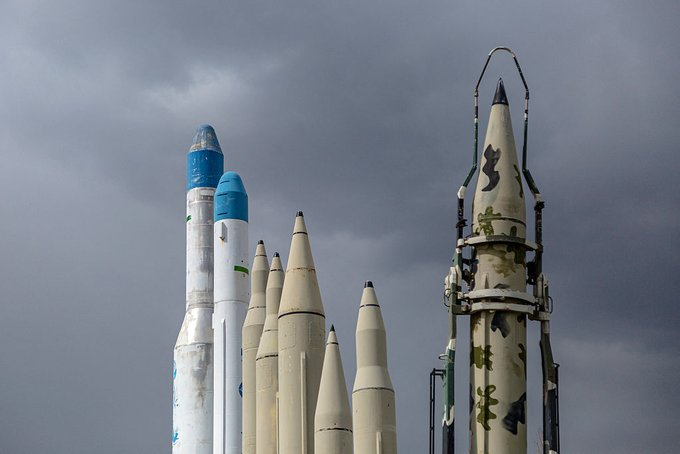
Tensions in the Middle East escalated sharply on Saturday after coordinated military action by the United States and Israel against targets in the Islamic Republic of Iran, prompting regional airspace closures and travel disruptions across the Gulf.
Aircraft above much of the Gulf were grounded as countries including the United Arab Emirates (UAE), Qatar, Kuwait, Bahrain and Jordan shut their airspace amid the unfolding clash. Major hubs such as Dubai International Airport halted operations and airlines including Emirates and Qatar Airways suspended flights, with hundreds of routes cancelled or diverted.
Governments around the world have issued safety advisories. For example, the United Kingdom urged British nationals in Bahrain, Kuwait, Qatar and the UAE to shelter in place as missile attacks were reported and regional instability grew.
The military strikes mark a serious escalation in the long-running hostilities between Tehran and its regional adversaries. The US and Israeli governments said the action was aimed at addressing what they described as imminent threats from Iran, though the precise targets and outcomes were still being assessed late Saturday.
As a result of the strikes and concerns over potential retaliation, transportation and travel networks have been directly affected. Airlines cancelled or delayed flights across the Middle East and beyond, with disruptions extending to Europe and Asia as airspace restrictions remain in place.
Multiple Gulf states also condemned attacks believed to have targeted their territories amid the broader clash, asserting their rights to defend sovereignty and calling for restraint to prevent further escalation.
Global leaders and regional powers have called for restraint and a return to diplomatic channels, warning that continued military action could destabilise an already volatile region and disrupt global economic and energy markets.