

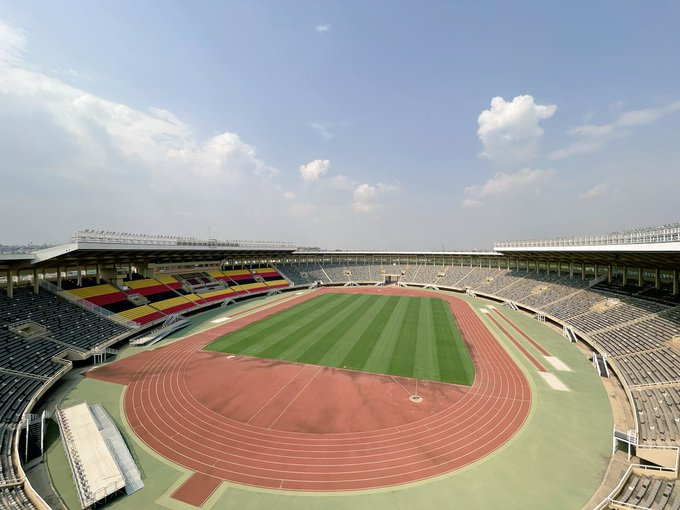
The Government of Uganda has launched a UGX 248 billion (approximately $67 million) second phase of renovations at Mandela National Stadium, Namboole, as the country intensifies preparations to co-host the 2027 Africa Cup of Nations (AFCON).
The Ministry of Education and Sports signed a Memorandum of Understanding (MoU) with the UPDF Engineering Brigade to undertake the works, which are expected to be completed within 12 months.
Upgrades to Meet CAF Standards
According to officials, the facelift will expand the stadium’s seating capacity to 45,000 and reconfigure key facilities to meet Confederation of African Football (CAF) requirements.
Planned improvements include: repositioning and upgrading hospitality and media facilities, segregating VIP and VVIP areas, enhancing security and crowd control infrastructure and general modernisation of stadium amenities.
Uganda is set to co-host AFCON 2027 alongside Kenya and Tanzania, with the tournament scheduled to run from June to July 2027.
Government Pushes for Timely Delivery
Permanent Secretary in the Ministry of Education and Sports, Dr. Kedrace Turyagyenda, urged contractors to begin work immediately despite earlier delays, stressing the urgency of meeting continental standards ahead of the tournament.
Lt. Col. Peter Sseku Kidemuka of the UPDF Engineering Brigade assured government that the project would be delivered within the agreed 12-month timeline.
The first phase of renovations at Namboole enabled the stadium to regain approval to host international matches after years of closure due to substandard facilities.
Public Reaction
News of the UGX 248 billion price tag has sparked debate online. While many football fans have expressed excitement about Uganda hosting AFCON matches on home soil, others have questioned the scale of expenditure, citing previous spending on stadium upgrades and broader public service needs.
Sports analysts note that beyond AFCON 2027, the revamped Namboole Stadium is expected to serve as a long-term asset for Ugandan football, athletics, and regional competitions.
The project marks one of Uganda’s largest recent sports infrastructure investments and signals Kampala’s intent to play a central role in delivering a successful continental tournament.