

KAMPALA, Uganda — The Chairman of the U.S. Senate Foreign Relations Committee, Jim Risch, has called for a review of the United States’ security partnership with Uganda following the recent shutdown of major media outlets, prompting a swift response from Uganda’s Minister of Local Government, Balaam Barugahara Ateenyi, who defended the country’s record on security and freedom of expression.
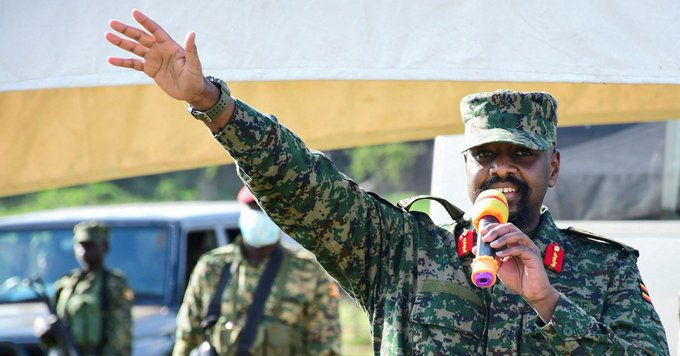
In a post on X on Monday, Risch criticized Uganda’s Chief of Defence Forces, Gen. Muhoozi Kainerugaba, over comments linked to the closure of NTV Uganda, Daily Monitor, KFM, Dembe FM and Spark TV, arguing that the incident raised concerns about Uganda’s commitment to press freedom.
“The U.S. needs to review its security relationship with Uganda. Gen. @mkainerugaba’s attacks on free speech, including shuttering major media houses this weekend, make him and the UPDF unfit partners. We should only work with those who advance regional security, not diminish it,” Risch wrote.
The senator’s remarks followed reports that military personnel had suspended operations at Nation Media Group outlets after Gen. Kainerugaba announced on social media that he had ordered their closure, stating that he did “not believe in a free press.” The Uganda Communications Commission later said it had begun consultations with relevant government agencies to establish the circumstances surrounding the shutdown.
Risch’s latest comments add to earlier criticism he expressed following Uganda’s 2026 general elections, when he urged the U.S. administration to reassess its security relationship with Kampala and consider targeted sanctions against individuals he accused of undermining democratic governance.
Responding to the U.S. senator, Minister Balaam Barugahara defended Uganda’s democratic credentials and rejected what he described as sweeping conclusions about the country’s institutions.
“With utmost respect, Sir, Uganda is a democratic state and a nation that upholds freedom of speech. However, that freedom should never be used to undermine our national security, violate our laws, or threaten public order,” Balaam said in a statement posted on X.
He argued that every sovereign nation has a responsibility to safeguard peace, stability and constitutional order, saying it was misleading to judge Uganda’s security institutions without considering that responsibility.
“It is therefore misleading to make sweeping assumptions about Uganda’s institutions or security partnerships without appreciating the responsibility every sovereign nation has to safeguard its peace, stability, and constitutional order,” he said.
The minister also defended Gen. Kainerugaba, noting that he serves both as Uganda’s Chief of Defence Forces and Senior Presidential Advisor on Special Operations.
“General Muhoozi Kainerugaba continues to serve Uganda in advancing national and regional security. Uganda remains a reliable strategic partner and has consistently contributed to peacekeeping, counterterrorism and regional stability across Africa,” Balaam stated.
He called for continued cooperation between Uganda and the United States based on mutual respect and shared interests.
“Constructive engagement should be guided by mutual respect for sovereignty, facts and our shared security interests—not by assumptions or politically motivated narratives,” he added.
The exchange comes against the backdrop of longstanding security cooperation between Uganda and the United States, particularly in regional counterterrorism efforts, peacekeeping operations and stability initiatives in the Horn of Africa and the Great Lakes region.